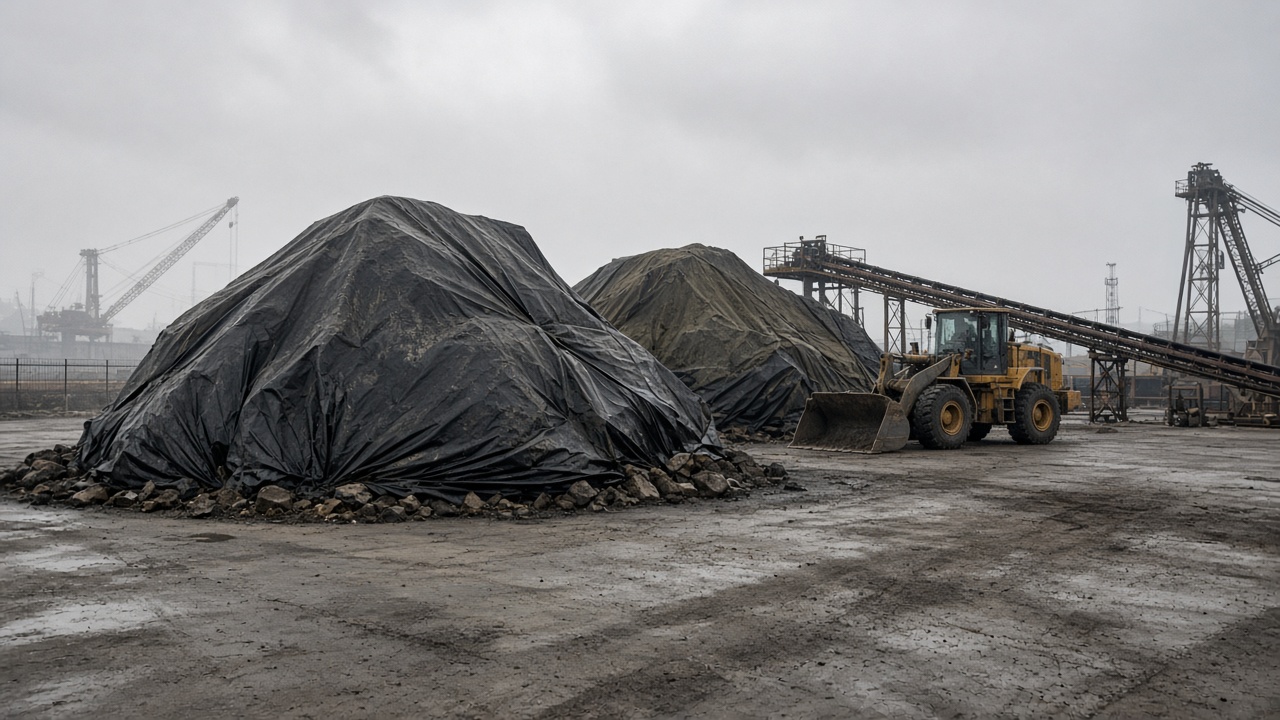
Adani Ports and Special Economic Zone reported stronger cargo throughput at its Gujarat bulk handlers this week as teams cleared monsoon-season coal backlogs from covered yards and rail sidings, part of a network-wide volume push that executives had flagged would follow a soft first quarter for imported thermal coal at Mundra.
What moved on the tape
APSEZ shares traded firmer in Mumbai alongside logistics peers as investors priced recovery in dry bulk after earlier earnings commentary blamed early monsoon arrival for lower utility generation and reduced imported-coal pulls at Mundra’s twin power-plant hinterland. Rohan Desai focuses on who led and why: dry cargo growth at the group level had been running ahead of containers in recent monthly updates, with coal, fertiliser, and agri bulk benefiting from catch-up handling once rain slowed.
Mundra, India’s largest commercial port by capacity, markets itself as an all-weather gateway with high-capacity equipment for heaping cargo and full covering during monsoons—features that matter when open-stack coal must move quickly before humidity degrades calorific value. Handlers shifted material from open plots into covered godowns and accelerated rake dispatch toward Rajasthan and Punjab power plants, according to trade press citing record monthly cargo figures at the port complex.
The monsoon backlog mechanics
Earlier in the fiscal year, Mundra’s coal volumes had fallen year-on-year when electricity demand dipped after rains arrived ahead of schedule. Imported coal feeding Adani Power and Tata Power units at the site is highly elastic to grid load; less generation means fewer vessels discharged. That left stacks in yard longer, creating a visible backlog handlers now say they are unwinding.
Coastal coal moved through other APSEZ terminals helped offset the import shortfall—management on earnings calls pointed to market-share gains on coastal routes even when Mundra import coal lagged. Clearing Gujarat stacks therefore lifts both local throughput and the narrative that network diversification smooths single-port shocks.
Why investors care in Mumbai hours
Port stocks trade on volume guidance and tariff mix. Coal handling is lower margin than containers but capital intensive; backlog clearance improves asset turns without new berth spend. Desai notes that APSEZ’s stated strategic tilt toward containers remains, yet dry bulk catch-up weeks still move the stock when quarterly comparisons look easy after geopolitical disruptions earlier in the year that temporarily closed nights at Mundra.
Rail matters: Mundra advertises separate sidings for coal and the ability to run dozens of rakes daily. Faster yard-to-rake cycles shrink demurrage and free up plot space before festival-season fertiliser arrivals compete for the same equipment.
What would falsify the recovery
A return of weak power demand or import-policy friction would stall coal pulls even if weather improves. Desai’s falsification test: if Mundra coal rake counts fall for two consecutive weeks while container TEUs rise, the backlog story is exhausted and the stock re-rates on box growth alone. Conversely, sustained dry bulk plus record container rail moves—as reported in recent port statements—support volume guidance into the second half.
Global coal prices and rupee freight costs still filter into landed economics for Gujarat generators; this session’s equity move was volume-mechanism led, not a bet on seaborne price spikes.
Coastal versus import mix
Handlers at Dahej and Hazira on the same Gujarat coast reported steady rake dispatch even when Mundra import coal slowed, a reminder that APSEZ’s network shares equipment and labour pools across sites. Desai said equity analysts modelling only Mundra import tonnage understated recovery when coastal routes picked up slack for domestic power plants switching blend ratios after monsoon rains cooled demand.
Stevedores working covered yards said tarpaulin repairs from July storms delayed some discharge, adding to the backlog narrative now unwinding in mid-September. Each cleared stack frees berth time for capesize vessels waiting on outer anchorage—a operational detail that shows up in quarterly utilisation metrics before it hits EBITDA.
Report, not recommendation
This is a Mumbai markets read on APSEZ throughput dynamics, not shipping advice. The local spine is Gujarat bulk handlers clearing monsoon coal stacks after a quarter when import volumes slipped on weather and demand—a concrete operations story that showed up in share price correlation with dry-cargo headlines on Friday.