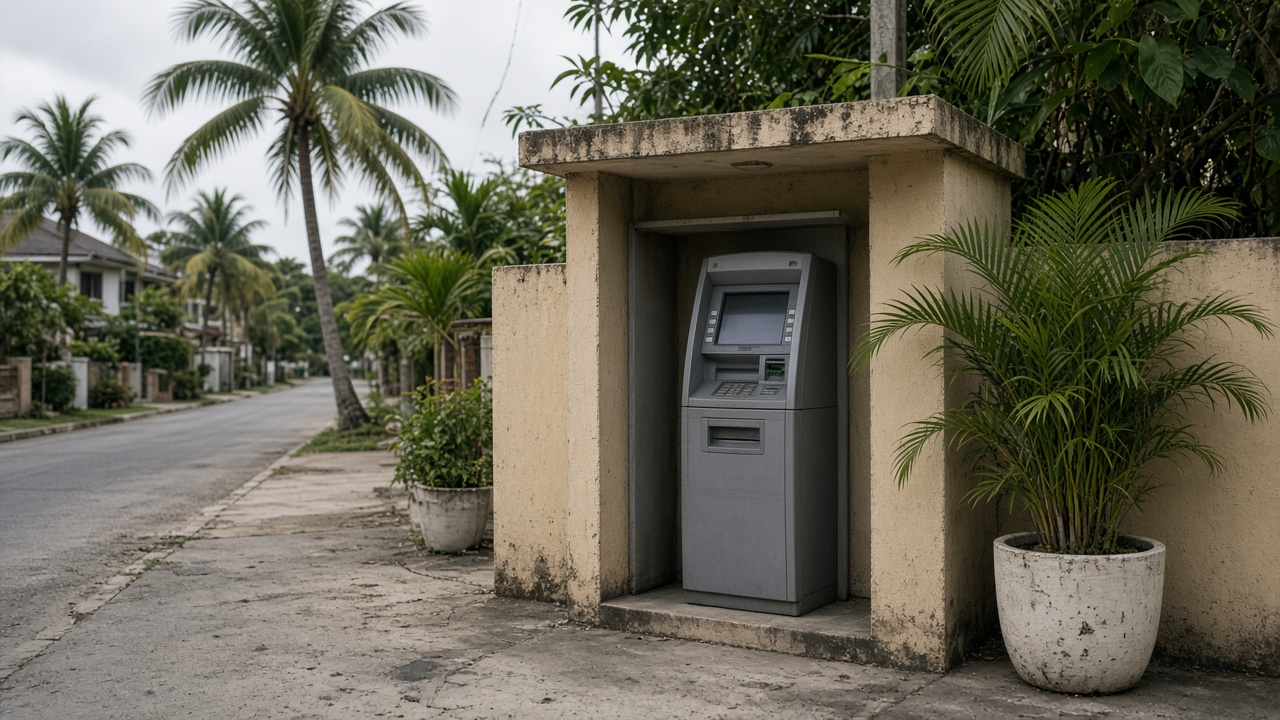
Commonwealth Bank is scaling back overseas ATM fee relief on Smart Awards and related reward cards ahead of Bali's September school-holiday rush, a change that hits Australian travellers who still withdraw rupiah at street ATMs even when their cards charge zero international transaction fees on purchases.
What the bank cut
CommBank's Smart Awards product page continues to advertise 0 per cent international transaction fees on purchases, but customer notices clarify that overseas cash advances no longer qualify for the previous business-day credit-balance rebate that zeroed out the $4 or 3 per cent cash-advance fee on many withdrawals. Effective on statements closing mid-September, only Ultimate Awards holders retain the full suite of overseas purchase perks without added ATM subsidies—a tiering move that pushes budget travellers toward debit cards or preloaded travel money.
The bank's broader Smart program updates, timed around the CommBank Awards-to-Yello transition on 29 September, also reintroduce 3.5 per cent international transaction fees on legacy Smart cards that have not migrated, further narrowing the reward-card advantage for Bali retail spending. For households already booked on Denpasar flights, the timing means airport ATM runs cost more than last year's peak season.
What Bali trips actually cost
A $400 ATM withdrawal on a Smart Awards card now attracts at least $12 in CommBank cash-advance fees plus daily interest from the transaction date—no 44-day holiday on cash. Indonesian ATM operators may add their own surcharge, which CommBank does not rebate. Compare that with Ultimate Awards, where purchase fees stay waived but cash advances still carry the same advance charge; neither card is a cheap cash machine.
Travellers chasing CommBank Awards points before program closure may still put hotels and restaurants on plastic to earn points, but finance bloggers Nathan Price tracks say the ATM change pushes cash-heavy markets like Bali toward Wise or Citibank global accounts for street food and taxi fares.
Why the bank did it before peak season
Issuer economics on reward cards deteriorate when customers maximise fee waivers without revolving interest. Overseas ATM usage spiked post-pandemic as Australian tourists returned to Indonesia in record numbers; CommBank risk teams flagged advance balances that never convert to high-yield purchase debt. Trimming rebates ahead of peak travel lets the bank adjust terms before year-end Yello migrations without another mail burst during Christmas.
Regulators do not cap cash-advance fees, but ASIC's design-and-distribution obligations require issuers to target products at appropriate audiences—reward cards marketed to jet-setters may still face questions if fee changes land after flights are booked.
Practical workarounds
Use cards for insured purchases, withdraw less cash via reputable money changers, or lift daily debit limits on transaction accounts with flat overseas ATM fees. CommBank debit cards charge $5 plus 3.5 per cent on non-ASB overseas ATMs—sometimes cheaper than credit advances when you avoid interest accrual.
If you carry a positive balance on reward cards solely to trigger fee waivers, read the new credit-balance rules carefully; the loophole that made free ATM runs viable is closing.
Household takeaway
Zero per cent international transaction marketing does not mean free Bali cash. CommBank's rebate trim is a dollars-on-the-statement story: know your card tier before you land, or pay at the ATM.
Travel insurance and points
Smart Awards still bundles international travel insurance when you preload $500 of travel spend, but cash-heavy itineraries reduce the value of purchase-focused perks. CommBank Yello points accrual rules arriving with the Awards sunset may change earn rates on foreign spend, another reason travellers are recalculating card wallets before Denpasar departures.
Airport lounge programs tied to Mastercard Travel Pass remain available on Smart tiers for a fee, yet lounge access does not solve ATM economics once rebates disappear. For families splitting spend across multiple cards, documenting which plastic carries advance fees prevents bill shock when statements arrive back in Australia.
Regulatory lens
ASIC's product intervention powers have not targeted travel-card ATM fees, but consumer groups may cite the Bali timing in submissions on award-program sunsets. CommBank's disclosures on Smart updates pages give 30 days' notice on several fee changes; travellers who booked earlier holidays should screenshot legacy terms in case disputes arise at ombudsman level.