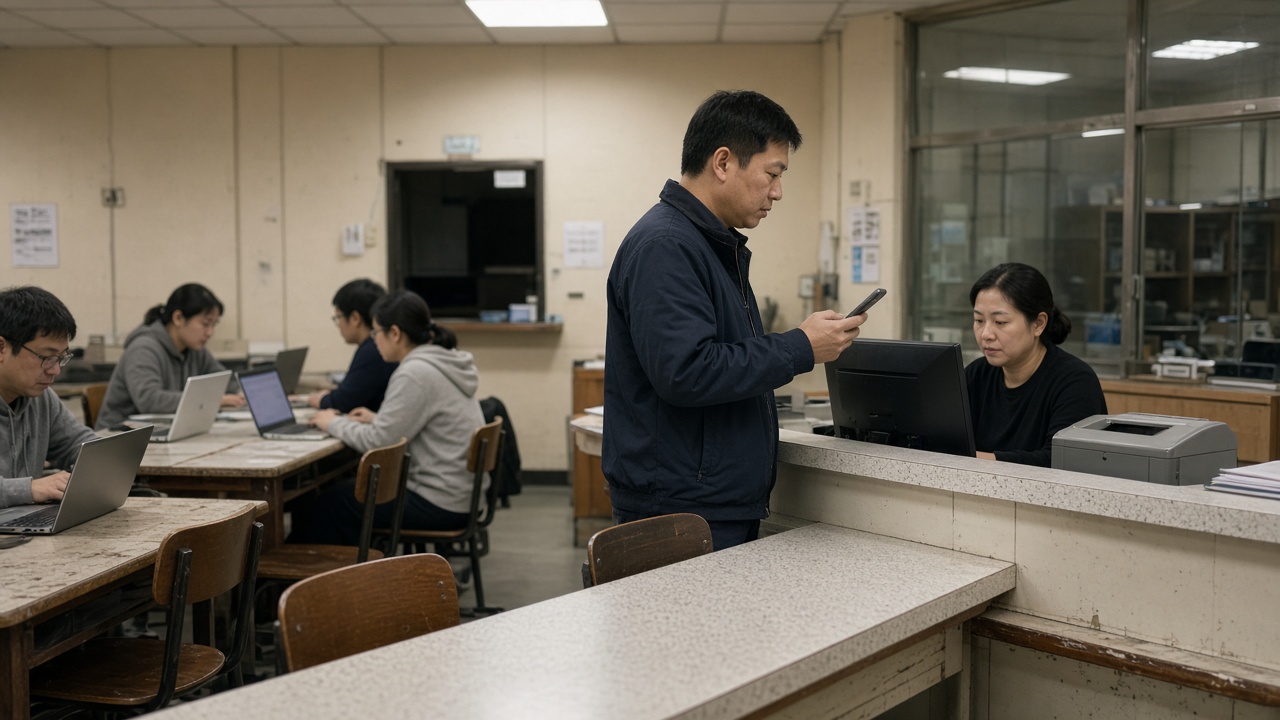
CTBC Bank Co. and Line Pay Taiwan expanded installment checkout for night-school and continuing-education tuition, allowing eligible CTBC credit cardholders to split semester payments over three to six months with zero installment fees when they pay through Line Pay at participating campuses, according to joint marketing materials published Thursday and reviewed by InfoHandle. The program targets working adults enrolling in September and October terms at universities and vocational colleges in Taipei, Taoyuan, and Kaohsiung.
What changed on the product sheet
Previously, Line Pay tuition installments capped at three months for a narrow list of business schools. The update adds six-month plans for amounts between NT$15,000 and NT$80,000, requires registration through a campus billing code scanned in the Line Pay app, and limits one active plan per student per semester. Merchants must enroll with CTBC's acquiring unit; students cannot self-convert past purchases.
Standard purchase APRs still apply if the underlying card balance is not paid according to the statement schedule; "zero fee" refers to installment handling charges, not interest-free revolving credit unless the card already offers a promotional APR window.
Who it is for
Night-school students often pay tuition out of paychecks rather than family lump sums. Splitting NT$45,000 across six months matches cash flow for nurses, engineers, and public-sector workers pursuing MBA and language credentials after shifts. Campus bursars said Line Pay QR codes reduce queue times compared with wire transfers that finance offices must reconcile manually.
What the issuer gains
CTBC earns interchange on the initial charge and keeps cardholders off competitor wallets. Line Pay deepens use beyond convenience stores—a segment where it already leads market share. Installment plans also extend average relationship tenure, valuable when deposit rates compress margins.
Data-sharing is limited to payment confirmation; schools do not see card limits, but CTBC may use aggregated enrollment categories for internal risk models per privacy disclosures on the app.
Gotchas for cardholders
Missing an installment payment can trigger late fees and penalty APRs on the entire card account, not just the tuition balance. Students who drop courses must still follow school refund rules; Line Pay cannot prorate installments automatically if a bursar issues a partial credit weeks later—those cases require a service call.
Foreign nationals on ARCs need CTBC cards issued to Taiwanese residents; some secured-card products are excluded from the promo list posted online.
Regulatory backdrop
The FSC has urged clearer labeling when fintech apps bundle credit features. CTBC's FAQ separates "installment fee" from "interest" in bold type, a response to earlier consumer complaints about BNPL-style apps. Schools must display total payable amounts before students confirm in Line Pay.
Competitive landscape
JKo Pay and Taiwan Pay court younger users but lack CTBC's credit-installment depth. Banks that own campuses outright—none at scale in Taiwan—could mimic the model; for now CTBC-Line is the partnership to beat for continuing education checkout.
Using it wisely
Tyler Brooks' desk advises treating installments as a budgeting tool, not extra borrowing capacity. If you already carry a balance near your limit, adding tuition spreads obligation but does not reduce it. If you pay in full each month, a six-month plan still ties up statement clarity—some readers prefer one charge and personal savings transfers instead.
Registration deadlines for fall night programs close in late September; CTBC said the expanded plans run through December enrollments unless credit loss metrics worsen. For working students, the meaningful change is fewer all-nighters at bank counters and a predictable monthly line item next to MRT passes and bento boxes—provided they read the APR footnotes first.
Universities participating in the pilot include several public institutions with large night divisions in Taipei and a private college in Kaohsiung focused on design and technology credentials. Bursars said reconciliation errors dropped after Line Pay began sending automated payment IDs into campus ERP systems last spring.
CTBC's card delinquency rates on education-related installments have stayed below the bank's unsecured portfolio average in filings through June, a data point marketing teams cite when pitching six-month terms. If unemployment among young professionals rises, the bank could tighten caps quickly—another reason students should not treat installments as open-ended credit.