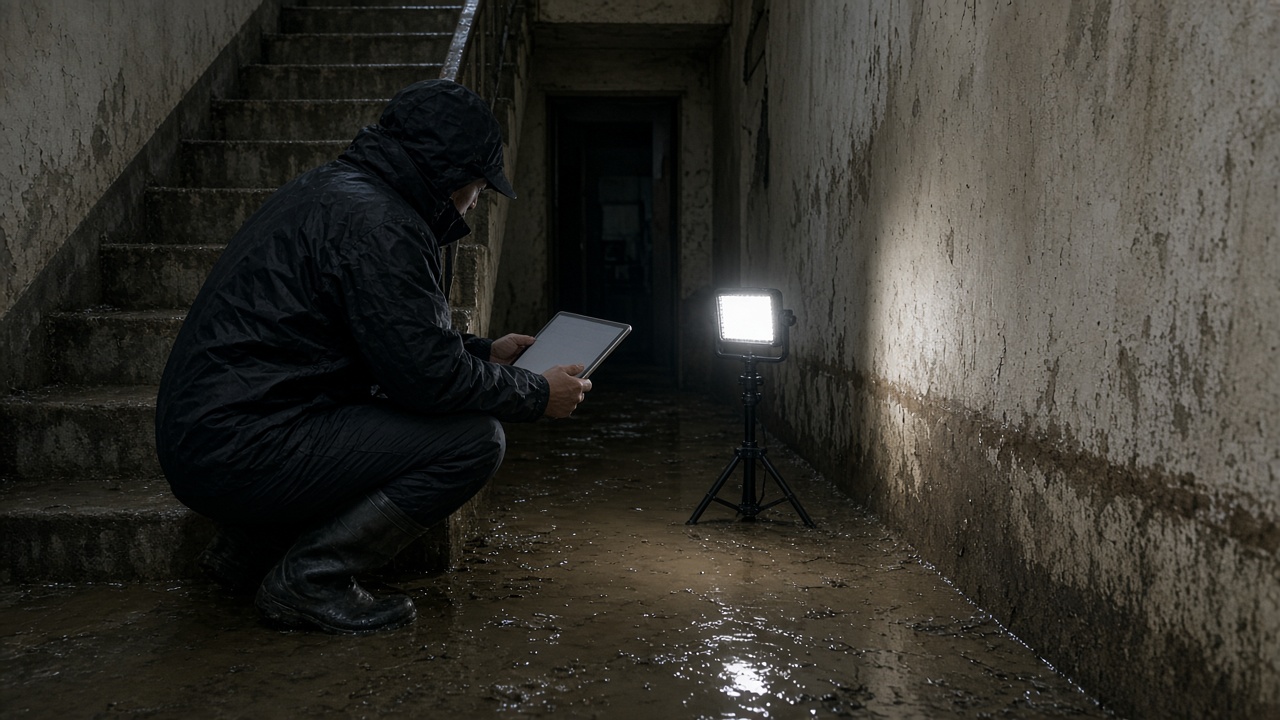
A Daegu insurtech startup named RainLedger Co. is scoring policyholder smartphone photos from monsoon flood claims so adjusters can triage payouts before field inspectors reach saturated alleyways, using on-device hashes and cloud models trained on anonymized losses from last season’s Nakdong basin storms, according to pilot insurers and a methodology brief RainLedger filed with Daegu’s digital innovation agency.
Where the pilot sits
Two regional insurers testing the tool cover homeowners in low-lying districts near the Nakdong River and hillside neighborhoods where flash runoff overwhelms drainage. When customers file claims after July–September cloudbursts, the app prompts them to capture wide shots of water lines, electrical panels, and appliance serial plates, then uploads encrypted thumbnails for scoring. RainLedger’s models estimate severity bands—cosmetic, structural risk, total loss likely—so call centers can schedule adjusters and advance living expenses faster.
Daegu’s promotion agency co-funded the pilot as part of a broader push to host back-office fintech experiments outside Seoul. RainLedger keeps training data inside Korea-hosted clouds with keys held by participating insurers, a requirement the Financial Supervisory Service emphasized in sandbox check-ins earlier this year.
How photo scoring works
On-device software rejects blurry or flash-blown images before upload, cutting adjuster noise. Cloud models compare water stains, debris lines, and mud textures against a library built from last monsoon’s redacted claims—roughly eighteen thousand photo sets RainLedger said it labeled with veteran adjusters. The system outputs a confidence score and highlights frames that need human review, such as suspected pre-existing mold versus fresh inundation.
RainLedger does not auto-deny claims; scores route cases into green, yellow, or red queues. Green cases may receive partial advances within twenty-four hours if policy terms allow; red cases escalate to senior adjusters who still visit in person. Insurers said the goal is prioritization, not full automation, to comply with consumer protection rules on claim denial notices.
Fraud and fairness checks
Insurers worried about staged basement photos asked RainLedger to embed metadata checks on capture time and GPS fences around insured addresses. The startup hashes EXIF fields locally and rejects uploads from distant locations. Models also flag duplicate images reused across policies, a pattern that spiked after prior typhoons.
Consumer groups asked whether AI scoring could bias older homeowners less comfortable photographing damage. RainLedger added a hotline path where adjusters collect photos during first visits, and insurers publish Korean-language guides with example shots approved by the Korea Insurance Research Institute.
Monsoon timing
Korea Meteorological Administration heavy-rain alerts trigger surge mode in the app: shorter upload windows, larger server pools, and simplified questionnaires so call centers are not overwhelmed. RainLedger said peak concurrent uploads during September test storms stayed within targets, though one insurer paused scoring when lightning knocked out a suburban data relay for ninety minutes.
Regulators want loss-ratio data by November to decide whether photo scoring can leave the sandbox. RainLedger plans to charge per scored claim if pilots convert to production, undercutting manual triage costs insurers cited in Daegu council hearings.
What policyholders should expect
Customers in the pilot receive SMS links after filing; participation is optional but speeds advances when scores land in green bands. Denials still require human signatures and registered mail under Korean insurance law.
For Daegu, the pilot is a regional economic story about analytics jobs staying in the city. For insurers, it is a hedge against adjuster shortages when multiple provinces flood in the same week—a scenario climate planners say is becoming routine rather than exceptional.
Call-center integration
RainLedger feeds scores into insurer CRM tiles so phone agents see photo quality warnings before promising visit times. Training clips walk agents through explaining yellow-band delays in plain Korean, reducing complaints that AI blocked legitimate claims during the first September downpour test.
One municipal housing block joined the pilot mid-season after basement shops flooded twice; RainLedger retrained classifiers on those stairwell geometries so scores better match narrow Korean alley layouts where water pools against meter rooms rather than open garages.