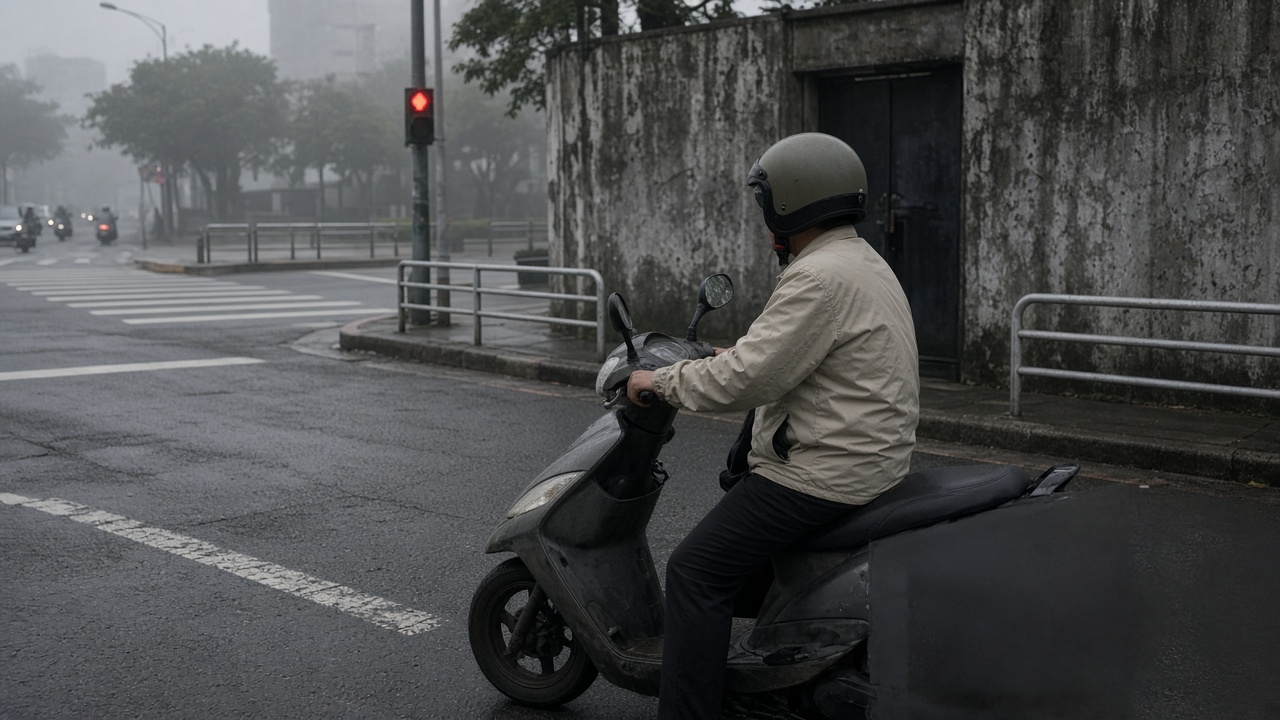
Taiwanese skincare brand Dr. Wu released a reformulated sport sunscreen this week after field-testing films on Taipei scooter commuters who sweat through humid morning rides, publishing wear-time tables as Taiwan FDA cosmetic rules tightened how brands may describe water and sweat resistance.
Why commuters became the test bench
Laboratory sweat chambers mimic perspiration, but Dr. Wu’s formulators wanted data from riders who stop at red lights on Roosevelt Road with helmet straps rubbing temples. The company recruited 42 office workers who commute forty minutes or more on 125cc scooters, applying the new fluid SPF50+ at 7:15 a.m. and photographing cheek coverage at arrival. Average visible erosion hit 18 percent by 9 a.m. on days when Taipei humidity exceeded 78 percent—better than the prior formula’s 31 percent in the same panel.
Products ship in slim pump bottles sized for under-seat storage. Dr. Wu avoided “all-day” language; labels say reapply after heavy towel-drying or four hours outdoors, aligning with FDA guidance that water-resistant claims require standardized immersion tests, not commuter anecdotes alone.
Ingredients and who it is for
The blend uses newer silicone elastomers and tapioca-derived starch to reduce the white cast that pushed riders toward tinted makeup incompatible with helmet foam. Dermatological association reviewers noted the formula is fragrance-forward—common in Taiwan retail—but lists alcohol lower than Dr. Wu’s 2023 sport line. Sensitive-skin riders are still directed to mineral lines the company sells separately.
Dr. Wu is not claiming acne prevention; SPF remains a burn-and-photoaging shield, not a treatment. Pharmacists at Taipei Da-an branches said early reorder rates from convenience stores near MRT-BRT interchanges outpaced last year’s sport SKU, suggesting commuters respond to numbers they can picture on their own route.
Regulatory context
Taiwan FDA’s 2026 cosmetic labeling circular requires brands to distinguish “very water resistant” from standard water resistant with explicit test durations. Dr. Wu posted summary protocols in Traditional Chinese on its site, a transparency move smaller brands may copy before Mid-Autumn outdoor events. If monsoon rains return late September, the company plans a follow-up panel with cyclists using rain capes—another friction pattern scooter data alone cannot capture.
Retail and competitor response
Department-store beauty counters in Taipei Station moved the sport SPF to front displays with QR codes linking to the commuter wear-time chart. Rival Taiwanese brands have not matched the published panel size yet; dermatologists cautioned that smaller studies can still be valid if methods are clear. Dr. Wu priced the line at NT$680 for 50 milliliters, mid-pack among pharmacy aisles where Japanese imports dominate premium shelves.
Company spokespeople said they will not pay influencers for “all-day ride” claims, a restraint that follows FDA warning letters elsewhere in Asia over sunscreen exaggeration. Commuters who tested early samples told InfoHandle the finish feels less greasy on necks than older gels, though helmet chin straps still require reapplication after long tunnels.