The Election Commission of India issued fresh model code reminders to Maharashtra’s chief electoral officer as district returning officers began constituting polling panels for the next assembly cycle, stressing that government websites must not carry new policy resolutions that could influence voters while panels are being staffed.
What opened this week
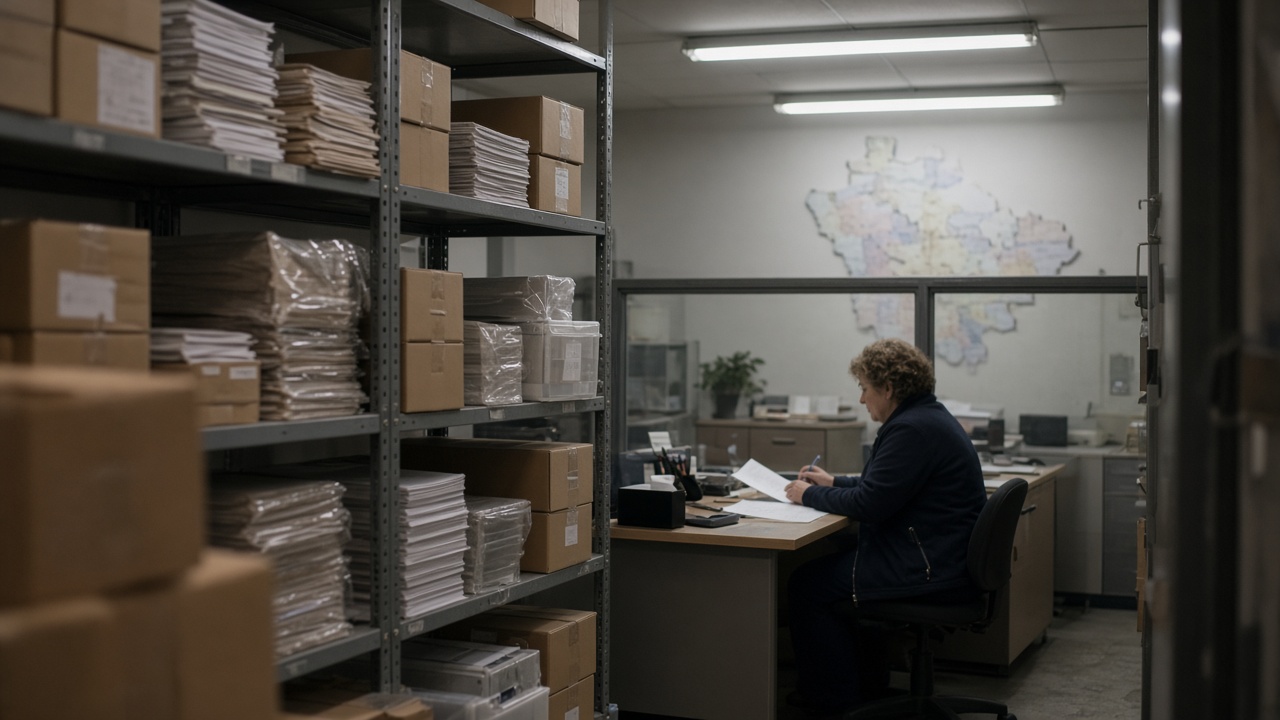
Returning officers in Mumbai suburban, Pune, and Nagpur divisions started panel formation meetings—assigning presiding officers, identifying vulnerable booths, and syncing voter list deletions with municipal boundary updates. The work is procedural, but it marks the administrative runway before a formal schedule announcement.
State political desks told InfoHandle that both major alliances are already vetting candidate lists, making any pre-schedule welfare announcement politically sensitive even if technically legal.
Model code flashpoints
The commission reiterated that the model code applies not only after schedule publication but whenever election machinery is visibly in motion. Last cycle, Maharashtra departments uploaded government resolutions after the schedule went live, forcing the chief electoral officer to order takedowns while scrutiny continued offline.
Additional chief electoral officer staff said panels must log any videography inside counting centers early to avoid last-minute litigation over observer access—a recurring dispute in urban constituencies.
Party whip counts and committee paths
Assembly politics still runs through coalition whips, not Parliament-style standing committees. Sana Qureshi’s reporting desk tracks whether regional parties will contest solo or preserve seat-sharing formulas negotiated after the last results. Numbers are unsettled; what is fixed is the commission’s insistence that transfers of district collectors tied to poll duty await its clearance.
What happens next
Once the commission announces dates, expenditure observers and media certification panels activate automatically. Until then, parties may campaign internally but must avoid using government platforms for publicity. The CEO office will run mock polls on newly purchased electronic machines in Aurangabad division next month—another trigger for code compliance.
For voters, the practical effect is quieter government websites and faster responses to complaints about premature rally permissions. The commission’s message is calendar discipline: panels first, promises later.
Observer and media rules
The commission reminded parties that proxy voting instructions for polling staff must be filed before panel lists freeze, reducing last-minute substitutions that sparked litigation in prior urban booths. Media certification panels will reconvene once schedules drop, but social posts using government logos remain banned even during this pre-announcement phase.
Numbers still in flux
Alliance arithmetic is unsettled: regional partners negotiate seat swaps while independents probe weak margins in Vidarbha cotton belts. None of that changes the commission’s immediate ask—keep official websites free of fresh welfare optics while returning officers build panels.
Chief ministerial offices declined comment on timing, citing respect for the commission’s independence. Opposition desks said they welcome the early reminder after last cycle’s government resolution takedowns.