Hsinchu Fab Surplus Exchange, a marketplace for idle semiconductor tooling and spare parts, closed a NT$120 million (US$3.8 million) pre-Series A round led by a Taichung precision-equipment fund and two Hsinchu angels who formerly ran foundry procurement desks.
What the round funds
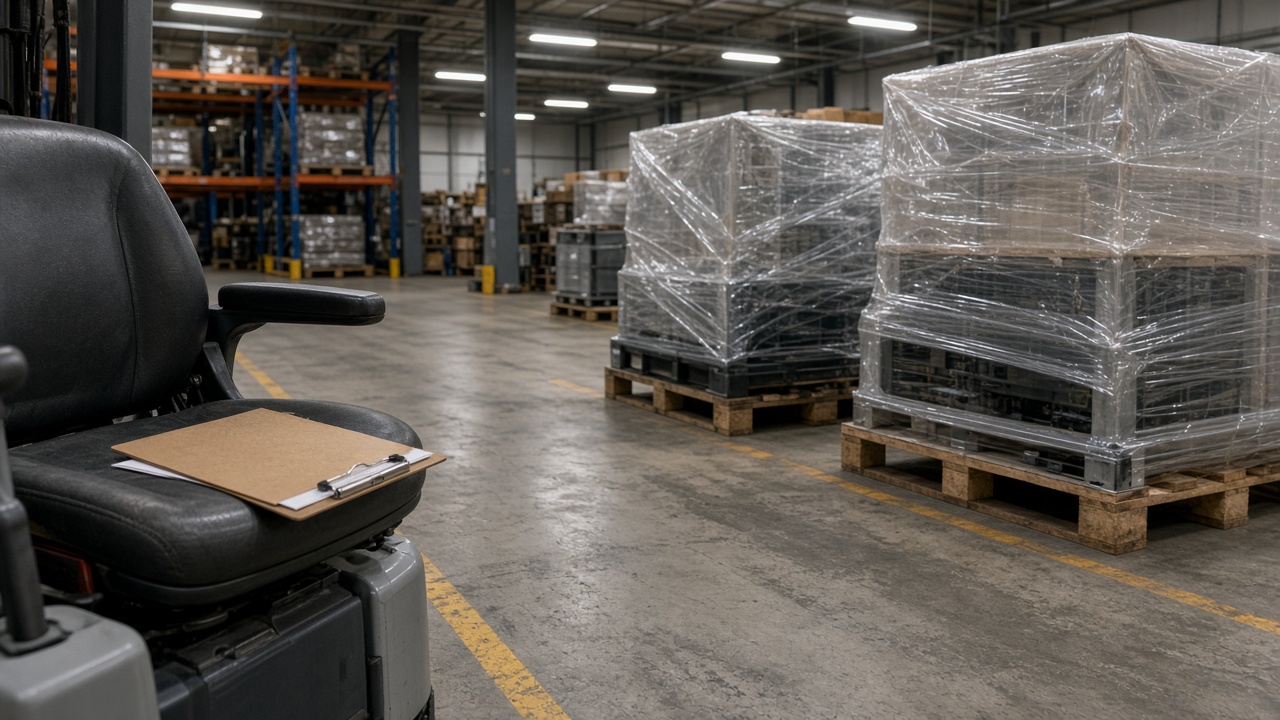
The company takes a slice of completed sales when fabs and OSAT houses list etch, deposition, and metrology gear they no longer need after node upgrades. Pre-Series A proceeds will expand an inspection lab near Zhudong where technicians power up modules, log hours, and photograph wear parts before escrow releases payment. Founders argue that transparency matters when second-hand tools move between mature nodes and smaller analog lines that cannot afford broker markups.
Investors also want API hooks into ERP systems so listing inventory does not rely on spreadsheets emailed after midnight. The cap table adds one strategic LP from a Japanese used-equipment refurbisher seeking Taiwan outbound deal flow without opening a full brokerage office.
How listings differ from chat groups
Today, much fab surplus trades in LINE groups and WeChat channels where provenance is verbal and disputes end in lawyers. Fab Surplus Exchange escrow holds funds until buyers accept inspection reports or arbitration rules trigger partial refunds. Sellers pay listing fees only after qualified leads view datasheets; the model mirrors industrial auction sites but narrows to cleanroom categories with serial-number registries.
Early traction came from 200mm tool retirements when fabs reallocated floor space to advanced packaging. One OSAT listed redundant wire-bond handlers; a mainland-Taiwan joint venture analog house in Kaohsiung bought them after on-site spin-up tests—deal size undisclosed but cited in the investor deck.
Governance and compliance
Export-controlled items are excluded; compliance staff screen against Taiwan’s commodity classification lists and U.S. re-export flags when sellers upload bills of materials. Founders hired a former science-park security officer to review whether photos reveal proprietary chamber designs. Buyers must sign NDAs before high-resolution scans download.
TSIA observers said marketplaces cannot fix geopolitics, but they can reduce fraud that wastes weeks when a “available” scanner never existed. National Science and Technology Council grants for circular-economy pilots partially offset lab capex, though NSTC does not endorse individual listings.
Unit economics and risks
Take rates start near 4 percent on closed deals, rising for escrow and logistics bundles. Margins depend on inspectors—not algorithms—so headcount scales with volume. If fab capex slows, listing supply could thin; the company plans adjacent categories like test sockets and FOUP pods with lighter refurb cycles.
Competitors include global brokers with Singapore warehouses; Fab Surplus Exchange bets Taiwan sellers want local-language contracts and same-day truck pickup to science-park loading docks.
What investors want to see next
The round’s milestone memo targets NT$500 million in gross merchandise value within 18 months and a Series A if dispute rates stay below 2 percent. Lead investor partners will sit on a safety committee reviewing whether certain lithography-related listings need government pre-clearance.
For fabs, the pitch is floor-space relief without fire-sale reputational damage. For buyers, it is audited spares when lead times on new tools stretch past node transition deadlines. The startup’s name is on the round; the harder proof will be whether escrowed inspections become standard practice or remain a niche for desperate nights before line shutdowns.
Logistics partners and insurance
The marketplace signed a freight pact with a science-park trucking cooperative so twelve-meter flatbeds can pull vacuum chambers from Hsinchu to Kaohsiung analog fabs without brokers quoting spot rates at midnight. Cargo insurance riders now cover in-transit vibration logging; sellers upload accelerometer traces from prior moves to prove they handled similar mass before.
Data room for Series A
Investors received a data room showing dispute arbitration outcomes from the first 18 closed deals, redacting buyer names but listing median days-to-close and inspection rework rates. Founders said transparency convinced the Taichung fund to lead after two other angels passed, citing prior losses on unverified eBay-style tool auctions.
Science-park leasing agents said cleared floor space can return to landlords faster when tools move through audited marketplaces instead of sitting in cordoned aisles awaiting informal buyers.