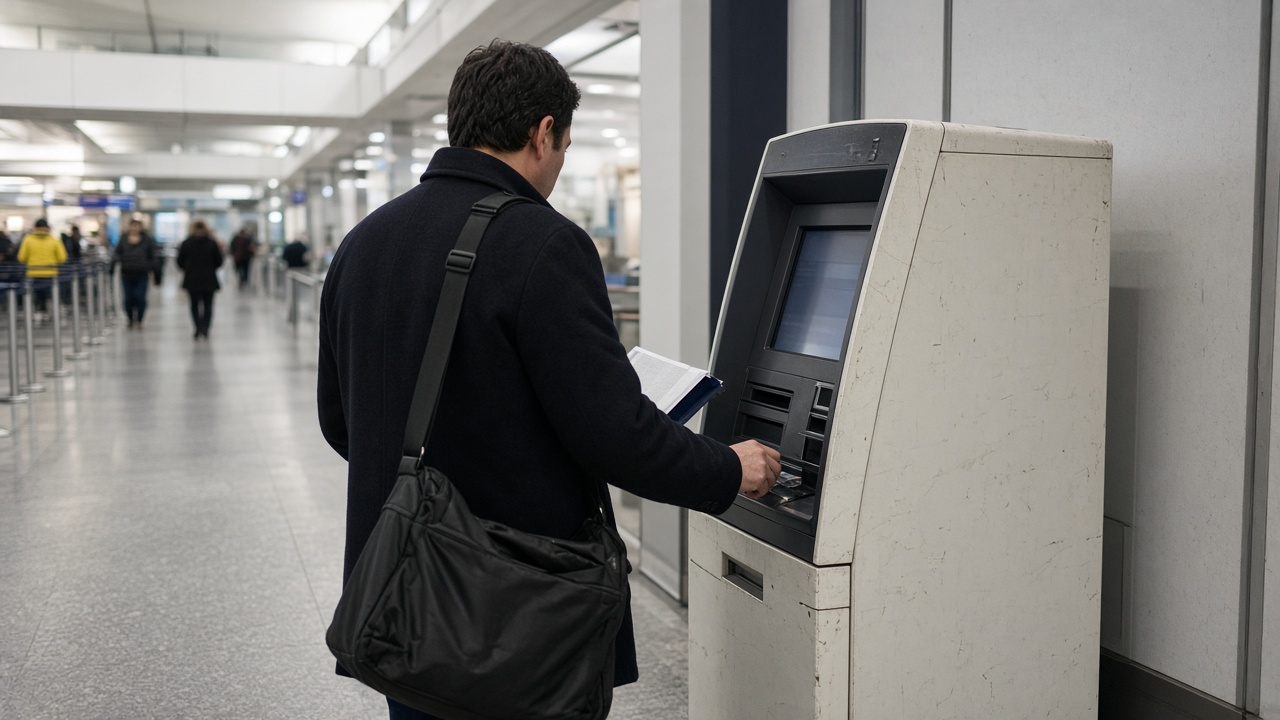
Hua Nan Commercial Bank said it will waive overseas ATM withdrawal fees for eligible debit and credit cards from September 20 through October 31, targeting Taiwanese travelers leaving for Mid-Autumn reunions and early October holidays in Japan and Southeast Asia. The promotion appears on the bank's Chinese-language card page with English FAQ updates pending; terms reviewed by InfoHandle show the waiver applies to the bank's own NT$30–NT$45 per-transaction charge, not third-party ATM operator surcharges or currency conversion spreads.
What actually gets cheaper
Cardholders with Hua Nan's travel-linked debit products and selected Visa credit cards can withdraw at participating PLUS and Cirrus networks abroad without the bank's administrative fee, up to three waived transactions per calendar month during the promo. Daily cash limits still cap total withdrawals—often NT$100,000 equivalent per day on debit—so the benefit helps frequent small pulls at Japanese convenience-store ATMs more than a single large cash pickup.
Foreign-exchange spreads remain: Hua Nan discloses a markup over the card network's wholesale rate, typically disclosed in the cardmember agreement. Waiving the ATM fee saves roughly the price of a convenience-store lunch per withdrawal; it does not make cash free.
Who the issuer is chasing
Mid-Autumn is peak family travel when parents fly to visit students or grandparents. Hua Nan competes with Cathay United Bank and E.SUN for mass-affluent households that keep payroll accounts locally but spend overseas. Fee waivers are a low-cost acquisition tool compared with raising deposit rates.
The bank gains interchange on POS spend even when travelers use cash for night markets; waived ATM fees are marketing spend to keep the card top-of-wallet.
Fine print cardholders miss
Non-Hua Nan ATMs owned by independent operators in tourist towns may still charge a local fee displayed on-screen before confirmation. The waiver does not cover dynamic currency conversion if a traveler chooses to be billed in NT dollars at the terminal—a option Tyler Brooks' desk tells readers to decline.
Cash advance APRs on credit cards still accrue from the withdrawal date if balances are not paid in full; the promo does not turn ATM cash into a zero-interest loan.
How this compares
CTBC and Taishin ran similar holiday ATM promos in 2025; Hua Nan's window extends through October to capture Golden Week departures. FSC consumer guidelines require banks to post end dates and eligibility bins; Hua Nan lists qualifying card product codes in an appendix PDF rather than on Instagram creatives.
If you carry a balance
Travel rewards matter less than interest if you revolve debt. Hua Nan's retail purchase APRs on promoted cards sit in the mid-teens percent range, in line with industry disclosures filed quarterly. A waived NT$40 fee is irrelevant next to a NT$20,000 balance accruing finance charges.
After October
Expect standard ATM fees to return unless tourism data show sustained overseas withdrawal volume. Hua Nan may pivot marketing to contactless transit cards in Tokyo instead. For readers planning trips, the practical checklist is: confirm your card product code is listed, decline DCC at the ATM, and budget FX spread separately—the bank's gift this season is fewer line items on the receipt, not cheaper yen or baht.
Tourism Administration statistics show overseas departures rising week over week ahead of Mid-Autumn, with Japan and Vietnam topping destinations. Hua Nan timed the waiver to capture card activation before airport departures, a window when travelers test whether their plastic works abroad.
Cardholders who also hold airline co-brands should compare lounge and mileage benefits separately; the ATM promo does not stack with unrelated travel-insurance riders unless the product guide says so. Customer service wait times lengthen during holiday weeks, so setting withdrawal limits in the mobile app before flying reduces surprises at foreign machines.
Hua Nan's English-language call center added temporary staffing for the promo window, a cost the bank books as marketing rather than operations. Students and retirees traveling to visit family are the primary targets, not business travelers who already hold premium cards with standing fee waivers.