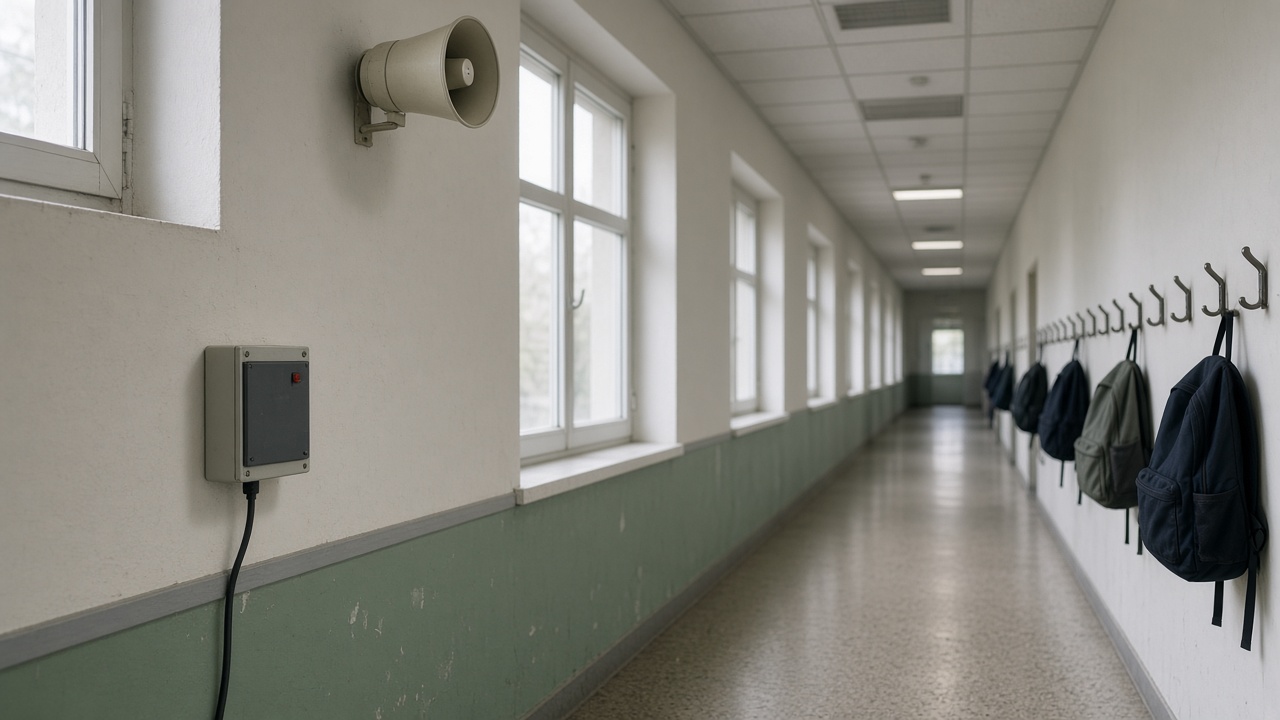
A Hualien-based earthquake early-warning startup sold sensor kits to 42 county schools this quarter, connecting classroom alerts to public-address systems so staff can broadcast drop-cover-hold instructions seconds before stronger shaking arrives—a push that accelerated after spring aftershocks rattled campuses already nervous about coastal quake risk.
What the kits include
Each site receives three wall-mounted accelerometers, a local gateway, and software that listens to Central Weather Administration feeds while also computing peak ground acceleration on campus. When thresholds trip, the gateway triggers PA pre-recorded Mandarin prompts and flashes strobe lights in hearing-impaired support classrooms. Dashboards log whether teachers acknowledged alerts on hallway tablets within 30 seconds.
The startup, founded by former CWA contractors and National Dong Hwa University researchers, prices hardware near NT$280,000 per elementary campus, with maintenance subscriptions for battery swaps and firmware aligned to CWA message format updates.
Why schools buy outside central programs
Taiwan’s public early-warning apps reach phones, but elementary rules often lock devices in lockers during class. Hualien County Council members allocated resilience funds after April tremors cracked tile in gymnasiums and sent ceiling dust onto lunch tables. Ministry of Education campus safety guidelines encourage drills but do not mandate vendor-specific hardware; counties can layer local solutions atop national feeds.
Principals in Xiulin and Yuli townships said phone alerts arrive too late for students on upper floors when backhaul lags. On-campus sensors aim to shave seconds by not waiting for cellular screens to unlock.
Integration with PA and lockdown policies
Installers worked with electricians to avoid feedback loops when PA horns sit near microphones. Fire-drill audio tracks are separated from earthquake prompts so staff do not confuse procedures. Some middle schools tied gateways to magnetic door holds that release automatically to prevent trapped students, a feature that required extra county fire marshal sign-offs.
Privacy officers asked whether accelerometer logs could identify individual classrooms; the vendor aggregates data to building level only and deletes raw traces after 90 days unless an inspector opens an incident ticket.
False alarms and training
CWA false alerts are rare but memorable; schools demanded manual cancel buttons in faculty offices. September training weeks scheduled dual drills: one synced to CWA national tests, one using only local sensors so students learn the difference. Teachers’ unions requested paid training hours; county education bureaus complied using disaster-preparedness budgets.
Startup engineers said they tune thresholds per soil conditions—coastal alluvium versus hillside campuses—to cut nuisance trips when large trucks rumble past.
Funding and fairness
Wealthier parents in Hualien City donated sensors to private kindergartens not covered by the county purchase; education advocates warned of a two-tier safety map. County officials said they will evaluate junior-high coverage in the next fiscal pass if state subsidies expand.
NSTC disaster-tech grants offset part of the R&D, but operating support still depends on county renewals after elections.
What maintenance looks like
Batteries last roughly 18 months; schools must log tests monthly under new county rules. Typhoon season can knock out uplinks; gateways cache CWA polygons offline for six hours and continue local triggering if feeds drop but shaking starts.
Broader context
Taiwan’s east coast faces dual threats from offshore quakes and landslides that follow heavy rain. Sensors do not stop structural damage, but administrators hope faster PA prompts reduce panic runs in stairwells. For parents, the visible change is another wall box and louder drill announcements between Mid-Autumn assemblies and fall sports days—small hardware betting on seconds that matter when the ground moves.
Coordination with county fire bureaus
Hualien fire officials asked schools to route sensor dashboards into county ops centers during red-alert typhoon weeks when aftershock sequences overlap heavy rain warnings. The startup built a read-only API so dispatchers see campus acknowledgment rates without accessing student rosters.
Insurance adjusters reviewing gymnasium ceiling repairs from April quakes said documented drill logs may support future risk pricing, though no carrier has discounted premiums yet. School boards still view the sensors as cheap compared with retrofitting 1970s concrete wings.