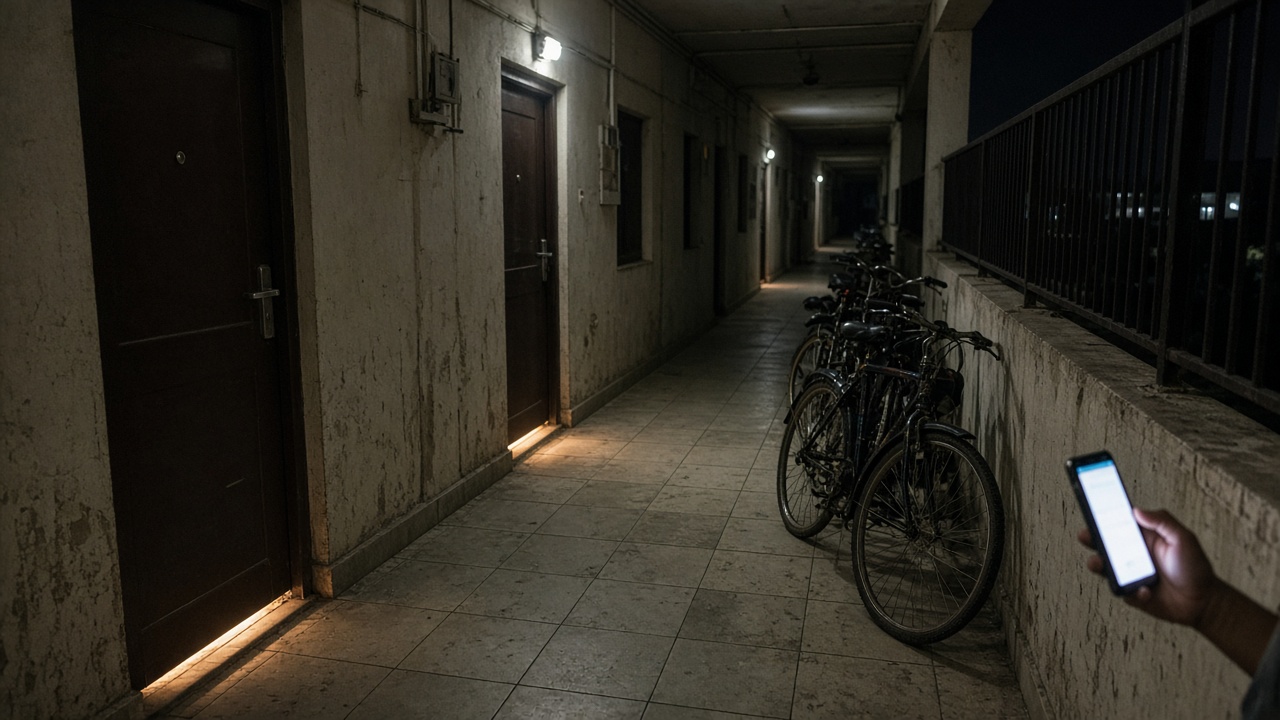
Dual-income tech couples in Hyderabad’s Gachibowli and Kondapur corridors are negotiating night-shift calendars on apartment society WhatsApp boards, trading weeks so one partner can sleep through US client calls while the other handles school runs and maid keys.
Why WhatsApp became the HR desk
With product teams syncing to West Coast stand-ups, bedrooms double as offices after 8 p.m. Society bylaws written for daytime noise now get tested when a balcony call runs past 11. Rather than formal complaints, residents post shared Google Calendar screenshots in WhatsApp groups titled “Tower B — Owners,” color-coding “deep work nights” in red and “quiet recovery mornings” in green. Admins pin messages asking members to avoid drilling or loud TV during flagged red blocks—soft enforcement, but visible enough that neighbors know whom to text before banging on walls.
One Kondapur couple told InfoHandle they rotate Sunday-to-Sunday: she takes four night shifts while he covers breakfast and tuition drops; the next week flips. Their society’s domestic-help coordinator uses the same thread so the cook does not arrive at 7 a.m. on a sleep-recovery day.
Where families push back
Parents with infants argue that calendar shares favor child-free households; some groups added “white noise permitted until 10:30” clauses after a midnight stroller walk triggered a shouting match. Elderly residents without smartphones rely on adult children to relay the schedule—a gap welfare committees are trying to close with printed weekly sheets on notice boards.
Property managers said rental agreements still list generic “no commercial use” language, yet night shifts are not moonlighting gigs; they are salaried jobs with NDAs. Lawyers consulted by societies recommend documenting shift swaps as courtesy, not binding contracts, to avoid disputes if someone breaks rotation during appraisal season.
What this changes at home
Inside flats, couples move routers to study rooms, buy split curtains for hall beds, and keep spare keys with friends on the same floor when both partners overlap on critical releases. Festival season adds friction: Navratri garba practice in the clubhouse collides with Silicon Valley demo days unless calendars align.
Some employers noticed: IT parks in Gachibowli began listing “society quiet-hour letters” as optional HR documents employees can show security when leaving campus late, acknowledging that housing friction affects retention. That does not solve baby sleep, but it legitimizes calendar swaps when guards question repeated 2 a.m. entries.
Couples without children sometimes offer to take red-eye weeks for neighbors on IVF cycles—a barter economy of sleep that admins say works until someone forgets to unmute the group at 6 a.m.
The workaround is imperfect but cheaper than a second lease. For Hyderabad’s night-shift pairs, the society WhatsApp board has become the family calendar their employers never supplied—public enough for neighbors, private enough to delete messages once the week turns.