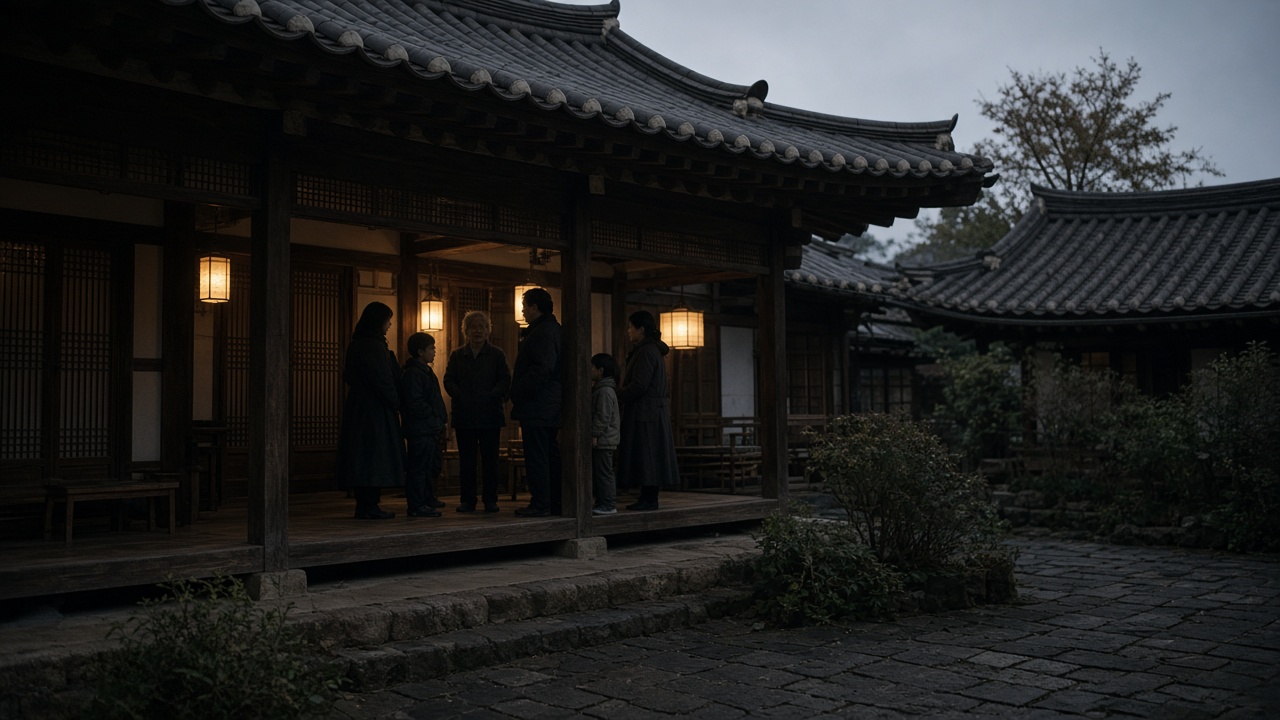
Guesthouses around Jeonju Hanok Village began requiring quiet-hour contracts this month for multigeneration Chuseok bookings, setting 10 p.m. to 7 a.m. noise limits in shared courtyards where grandparents sleep steps from cousins playing mobile games.
What changed in the houses
Owners printed bilingual house rules on hanji paper at check-in: no courtyard speakers, whisper-only phone calls on wooden verandas, and staggered breakfast slots so toddlers do not slam screen doors before dawn rites. Several properties charge a KRW 30,000 deposit released only if noise logs stay clean—a practice borrowed from Seoul officetel short-term rentals but adapted to earthen walls that carry sound.
Multigeneration packages sold out early: three-bedroom hanok units that sleep eight but include only one bathroom, a layout that turns hygiene routines into flashpoints. Quiet hours do not ban ancestor memorial tables set up in main rooms; they push loud video calls and soju afterparties to licensed bars on Omokdae-gil instead of open-air maru floors.
Whose household feels it
In-law logistics drive the policy. Daughter-in-law hosts often mediate between siblings flying in from Incheon and parents who expect 6 a.m. kitchen clatter for jeon frying. Guesthouse managers said the worst disputes come not from tourists but from Jeonju natives who return to family-owned alleys and treat guesthouses as overflow when ancestral homes lack AC.
Jeonju city tourism office did not mandate quiet hours but circulated a template after noise complaints rose 22 percent during last Chuseok, according to municipal hotline stats shared at a host association meeting. The template stops short of fines; owners keep deposits and can evict repeat offenders under innkeeper laws that treat guesthouses like lodging businesses, not pure homestays.
Custom, law, and limits
Korean lodging statutes require registered guesthouses to display complaint numbers and fire exits; quiet-hour clauses are private contract terms unless decibel levels violate local environmental rules—a threshold rarely enforced in heritage zones where roosters still wake neighbors. Family custom, not civil code, usually governs holiday behavior, which is why written rules matter when cousins meet only once a year.
Some hosts offer “rite-friendly” wings with earlier kitchen access for families preparing charye tables, charging a small fee that covers extra gas and dishwashing. Others partner with nearby hanok cafes for pre-dawn coffee so teenagers stay off guesthouse Wi-Fi during memorial hours.
What guests should pack
Owners ask for soft indoor shoes and headphone splitters for kids, practical items that reduce scolding in front of elders. Parking remains tight in alleyways; quiet-hour rules extend to trunk slams and navigation app speakers echoing off tile roofs.
After Chuseok, the association will survey hosts on whether deposits actually deter noise or simply shift parties outward. If multigeneration bookings keep climbing, Jeonju may formalize model contracts before winter light festivals bring another wave of shared-courtyard stays.