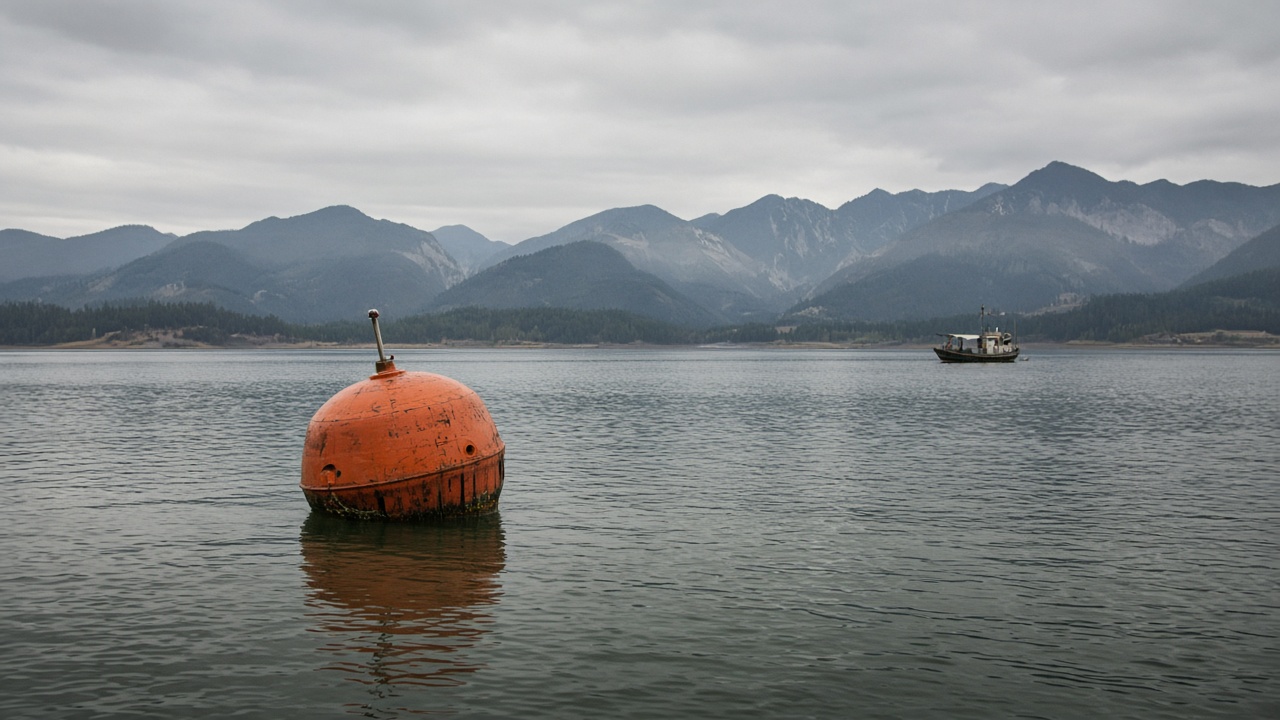
Lake Biwa fishery cooperatives deployed three sensor buoys near northern aquaculture zones this week after Shiga Prefecture issued a cyanobacteria bloom advisory tied to warm September water and calm winds. The floats stream chlorophyll and turbidity readings to co-op phones, letting crews pause feeding and delay harvests if blue-green algae counts approach thresholds used during the 2019 bloom season.
What triggered the alert
Prefectural monitors spotted surface scum patches north of Nagahama last weekend, smaller than historic blooms but close to cage lines raising biwa trout and ornamental koi bound for Kansai restaurants. Satellite chlorophyll maps from research institutes showed elevated pigments in the same basin; co-ops voted to fund buoys rather than wait for weekly boat sampling alone.
Lake Biwa supplies drinking water to millions in Osaka and Kyoto; fisheries are a smaller economic slice but politically visible when holiday tourists eat local sashimi. A false sense of safety after several mild summers pushed operators to invest in their own telemetry instead of relying solely on prefectural press releases.
How the buoys work
Each unit carries multi-parameter sondes sealed in anti-fouling copper guards, broadcasting hourly via LTE to a dashboard co-op leaders share on LINE groups. Alerts ping when chlorophyll-a proxies cross internal lines derived from NIES bloom guidance and past Biwa Museum field studies. Fishermen pair buoy data with wind forecasts—northerly breezes can concentrate algae against cages even when open water looks clear.
Harvest teams staged alternate ice holds onshore so they can land fish quickly on clean days and sit tight when readings spike. Restaurants receive SMS updates about possible one-day delivery gaps; tourism boards worry less about health scares if co-ops communicate early.
Ecology and economics
Cyanobacteria thrive when phosphorus from agricultural runoff meets hot, stratified water. Shiga has tightened rice-field drainage programs, but climate lengthens warm seasons. Co-ops say one lost harvest weekend can erase autumn margin; buoys cost less than emergency tanker oxygenation trialed elsewhere.
Recreational anglers face separate advisories; drinking-water plants upstream run activated carbon when taste-and-odor compounds appear. The fishery focus is market confidence—Silver Week diners ask servers where fish was caught.
Public guidance
Prefectural pages urge avoiding contact with visible scum and washing after swimming; drinking water remains treated and monitored. Consumers should not panic-buy frozen trout; co-ops redirect clean-catch days to processors with rapid toxin screening kits mandated for export-bound lots. If buoys prove reliable, cooperatives will seek prefectural subsidies to expand coverage south toward Otsu, where urban runoff adds another bloom risk layer.
Monitoring through the holiday
Co-op leaders plan twice-daily conference calls with prefectural scientists through Silver Week, when restaurant orders jump and any health headline spreads quickly on social media. Volunteers on sightseeing boats report discoloration photos through a separate channel so analysts can distinguish boat wake from actual scum. The discipline mirrors 2020 pandemic-era fish auctions, when transparency kept wholesale prices from collapsing even as dining rooms closed.