Taiwan’s Legislative Yuan scheduled a joint agriculture and economics committee hearing for 24 September to review cross-strait fruit trade after the Council of Agriculture paused mainland citrus imports citing pest interceptions, a move southern growers welcomed as biosecurity discipline while juice processors warned of input shortages before Mid-Autumn gift baskets ship.
What triggered the pause
Customs inspectors at Kaohsiung port flagged live mealybug larvae in two September shipments of ponkan and murcott oranges, triggering automatic holds under plant quarantine rules both sides recognized in pre-pandemic protocols. The agriculture council extended the suspension pending mainland facility audits it said had not occurred since 2022, when travel curbs interrupted inspector exchanges.
Mainland exporters argued the finds reflect sampling variance, not systemic failure; Taiwan officials countered that untreated fruit could infect orchards in Tainan and Chiayi counties still recovering from typhoon-damaged seasons. Opposition lawmakers asked why alerts reached the public through trade association leaks instead of a formal gazette notice.
Who wins and loses domestically
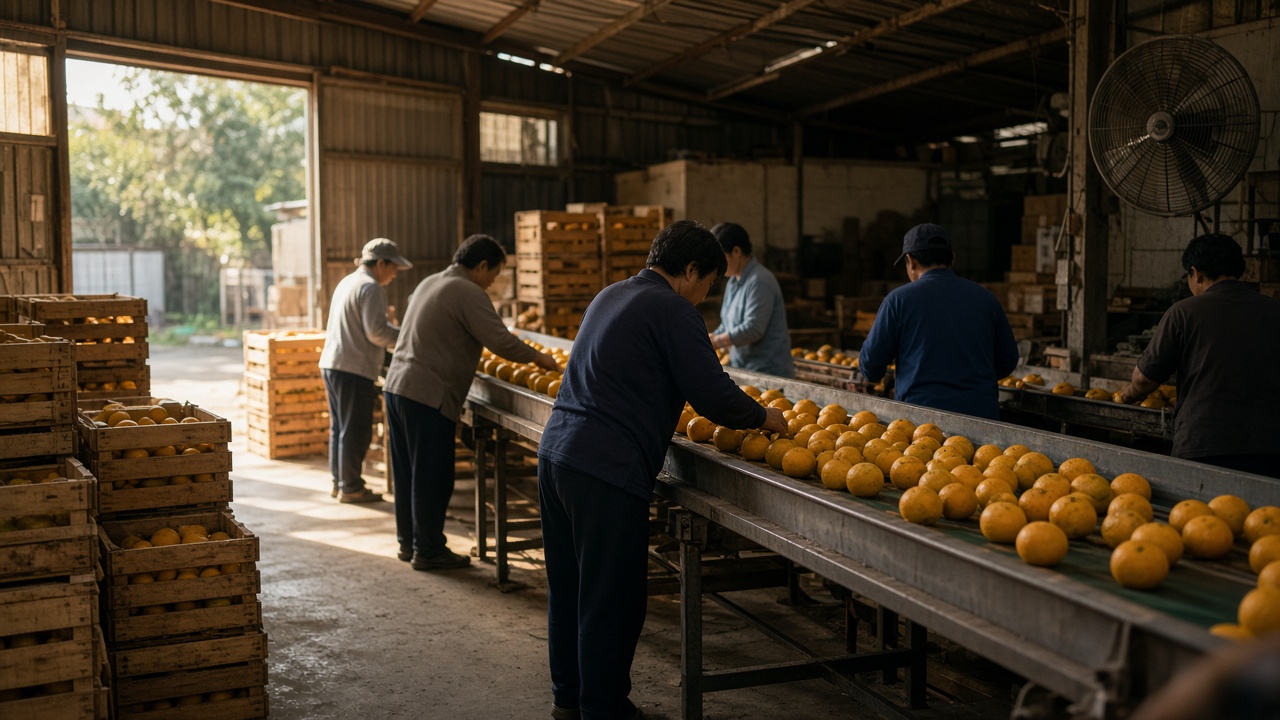
Domestic citrus prices rose 8 percent at Taipei wholesale markets in the week after the pause, according to council daily sheets. Gift-box vendors sourcing Taiwan-only fruit promoted “local Mid-Autumn” labels, while exporters who re-export blended juices to Southeast Asia scrambled for Vietnamese concentrate to meet contracts signed before the hold.
Processors in Yunlin employ hundreds of seasonal workers who peel and flash-freeze segments for bakery chains; two midsize plants told InfoHandle they can cover two weeks from cold storage but need clarity by early October to avoid layoffs. Farmers’ cooperatives in Madou district support the pause if accompanied by compensation for growers who already contracted fertilizer and labor on the assumption of stable cross-strait flows.
Hearing agenda
The hearing will examine whether the Executive Yuan must notify the legislature within 72 hours of import suspensions under updated oversight statutes passed last spring. Kuomintang members want a timeline to resume trade if audits complete; ruling-coalition legislators stress reciprocity, noting Taiwan citrus exports to the mainland remain blocked on unrelated phytosanitary disputes dating to 2020.
Ministry of Economic Affairs officials will testify on World Trade Organization notification duties and whether the pause is a sanitary measure or a de facto sanction—a distinction that matters for investors holding shares in cold-chain logistics firms with mainland exposure.
Cross-strait politics without a press release
Neither side issued the heated rhetoric seen during shellfish bans in prior years. Agriculture bureaucrats on both coasts continued video calls on pest identification standards, suggesting technical channels stay open even as strategic ties fray. Still, county magistrates in southern Taiwan asked for central funding to market surplus domestic fruit if the pause lasts through Lunar New Year planning cycles.
Quarantine science on the table
Academics from National Chung Hsing University will present fumigation efficacy data lawmakers may use to set reinstatement conditions. Growers want mainland pack houses to accept third-party Taiwan inspections; mainland associations previously rejected foreign inspectors on sovereignty grounds. A compromise on shared lab testing in Kinmen or Matsu free-trade zones is on the draft agenda, though shipping volumes there are tiny compared with Kaohsiung bulk routes.
Retail and holiday timing
Supermarket chains reprinted shelf tags to highlight 100 percent Taiwan citrus in mooncake bundle promotions. Convenience stores said they will not pull existing blended juices immediately but will not renew purchase orders without council guidance. Consumers may see higher prices on premium gift sets; budget lines already shifted to domestic sherbet oranges less affected by wholesale spikes.
What happens next
If audits are not scheduled by the hearing date, opposition parties may push a nonbinding resolution urging cabinet transparency on alternative supply plans. Agriculture Minister briefings this month emphasized that pauses are routine under treaty text, not escalations—yet every pause becomes political in an election season when rural turnout matters. The legislature’s job is to force a public calendar: when inspections resume, what evidence clears shipments, and how domestic processors get compensated if they do not.