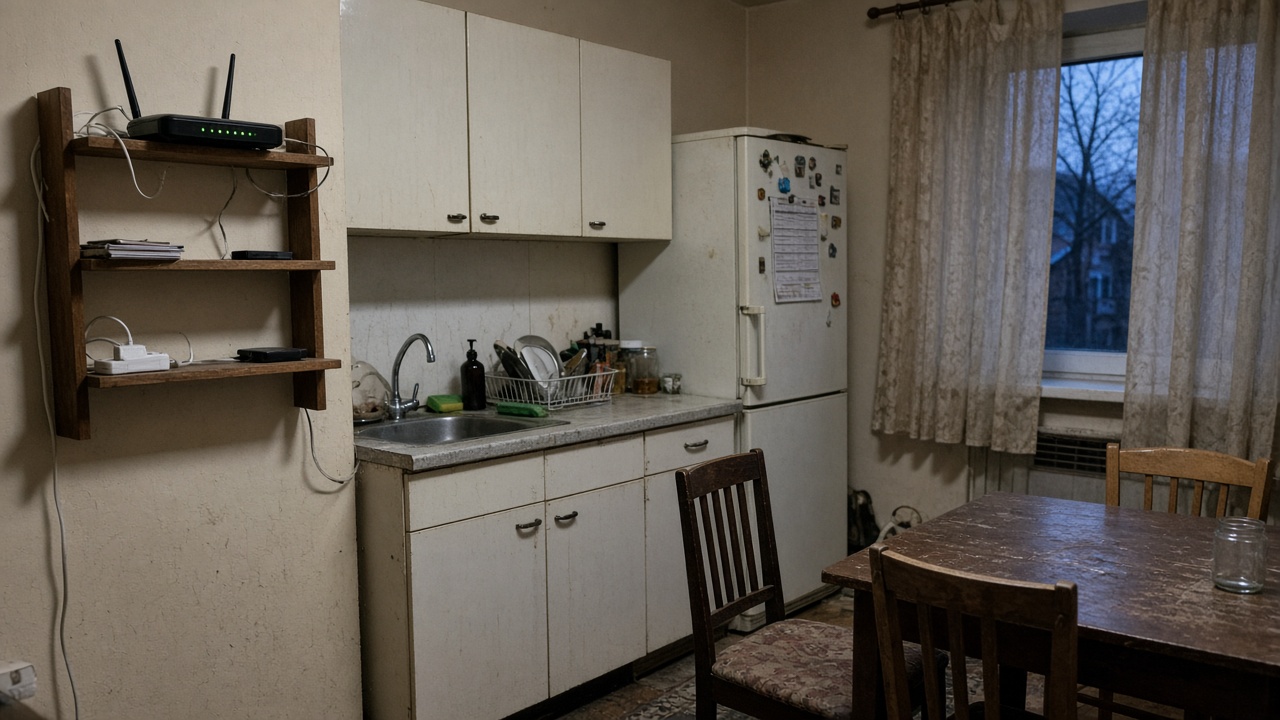
Shared houses in Manchester's student corridors are taping laminated QR codes to kitchen cupboards this week, spelling out when visitors may join guest Wi-Fi and who pays if streaming blows through monthly data caps. The ritual peaks before university arrival weekend, when parents help move fridges, partners stay over, and letting agents walk through inventories—all on the same broadband line that six tenants already stress with game downloads and lecture captures.
Why QR rules appeared
Full-fibre and cable deals marketed to students often advertise "average speeds" that assume fewer than four simultaneous 4K streams. A five-bedroom Victorian terrace in Fallowfield can house six tenants plus guests; one tenant told InfoHandle their Virgin Media upload collapsed during a September Sunday when parents video-called relatives while housemates patched a console game. Housemates responded by splitting a guest SSID with a nightly password rotated via a printed QR linked to a note on the fridge.
It is not enterprise IT—routers are consumer models from ISP bundles—but the practice mirrors small-office visitor policies. Tenants use guest networks to keep main passwords off group chats where former subtenants still linger.
Money and fairness
Joint tenancy agreements rarely mention bandwidth; bills split evenly while usage does not. Houses adopting visitor rules often pair QR access with a whiteboard log: guests sign in, tenants track unusually heavy use, and repeat offenders chip in for mid-contract speed upgrades. None of this is legally binding unless housemates draft side agreements, but social pressure works when deposit disputes already strain friendships.
International students face higher stakes—video calls home compete with UK partners visiting for the first time. QR sheets in multiple languages appeared in at least two Rusholme properties after a house WhatsApp argument about "unlimited" fair-use policies buried in ISP terms.
Landlords and agents
Most student lets prohibit tenants from drilling holes or swapping ISP contracts without consent, yet require tenants to procure broadband themselves. Agents conducting mid-September inspections ask for Wi-Fi passwords to photograph meter readings sent online—a practice tenants resist by offering guest QR access that expires after the visit. ICO guidance on domestic data handling is light, but tenants worry about agents saving main passwords in unsecured email threads.
HMO licensing in Manchester does not mandate guest networks; fire safety and bin storage dominate council checklists. Still, overcrowding inspections sometimes note how many people are physically present versus named on contracts, and visible visitor rules signal houses trying to stay orderly.
University arrival weekend
The University of Manchester expects thousands of arrivals into private rented stock alongside halls. Students' union advice pages recommend agreeing house rules before parents leave; Wi-Fi rarely headline those talks until someone streams a match in UHD. Arrival weekend also brings romance logistics—new relationships and long-distance visits—so bandwidth fights overlap with relationship boundaries Ben Walsh readers often navigate in parallel conversations about keys and overnight guests.
Campus eduroam does not extend to terraces three miles south; commuters are not the issue. It is the hybrid household of study, work, and social life in one kitchen.
Practical tips
Rotate guest passwords after open-house parties, cap guest SSID speeds in router settings if supported, and photograph QR sheets before they grease-stain. If an ISP enforces download caps, schedule heavy updates for weekday mornings when houses empty. Visitor Wi-Fi rules will not fix every flatshare tension, but they turn an invisible argument about fairness into something posted next to the recycling calendar—where Manchester students actually look before the term accelerates.