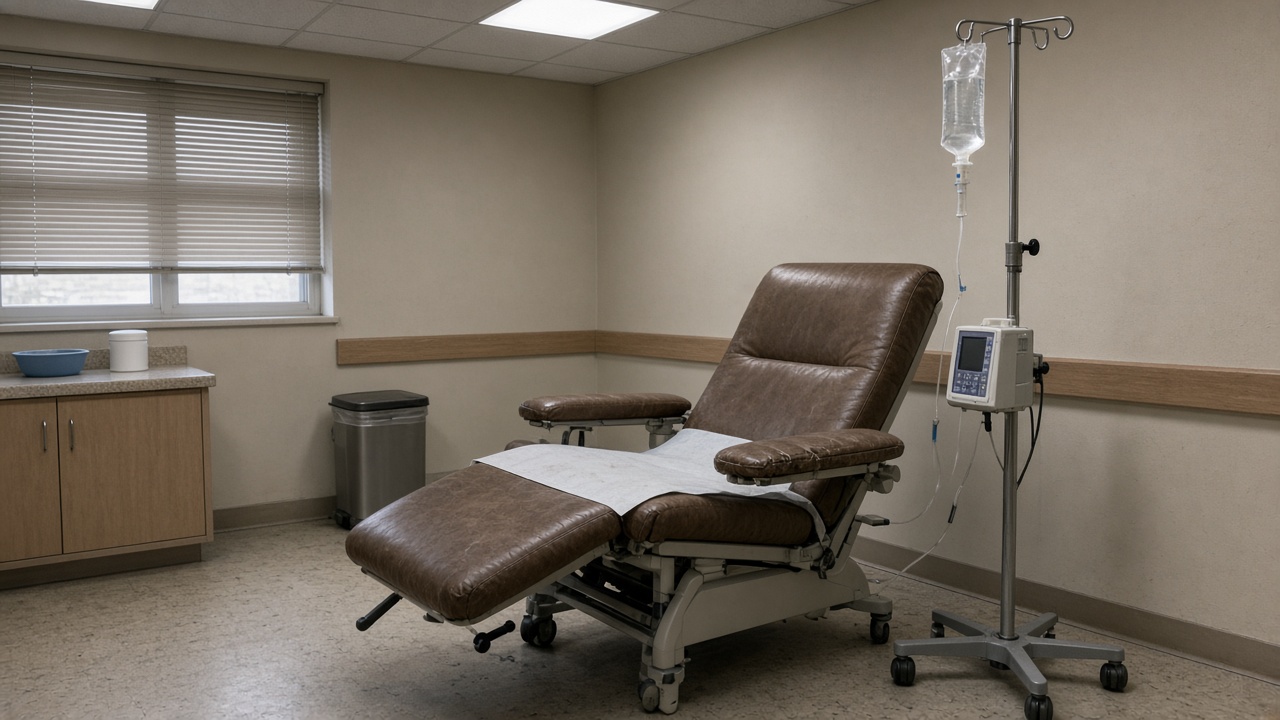
Mayo Clinic Florida said it will extend weekday infusion hours and open limited Saturday chair blocks at its Jacksonville rheumatology suite, a response to wait times that have stretched beyond six weeks for some patients on intravenous biologics after hurricane-season staffing gaps and a surge in referrals from community rheumatologists.
Which patients this affects
The change targets adults on scheduled infusions for conditions such as rheumatoid arthritis, psoriatic arthritis, and ankylosing spondylitis—therapies that cannot be paused safely without flare risk. Oral options exist for many diagnoses, but patients who failed methotrexate or who need tumor necrosis factor inhibitors often have no equivalent at-home substitute on short notice.
Mayo’s Florida campus is not the only site reporting pressure. The American College of Rheumatology has flagged infusion-capacity bottlenecks nationally as biosimilar switches and prior-authorization delays push more stable patients back into hospital-owned suites rather than independent infusion centers.
What the evidence says about timing
Clinical guidelines emphasize maintaining dosing intervals for drugs such as infliximab and rituximab; stretching a cycle by a month can mean measurable increases in joint swelling and fatigue in trial populations, though absolute risk varies by drug and disease activity. Mayo clinicians briefing staff last week cited internal audits showing 12 percent of delayed infusions correlated with emergency department visits for pain control within 30 days—not proof of causation, but enough to justify overtime nursing shifts.
The Food and Drug Administration treats approved biologics as interchangeable only when prescribers document medical necessity for a switch; patients should not assume a pharmacy can substitute without a new authorization.
Who is left out
Extended hours apply to existing Mayo infusion patients, not new consults waiting for first appointments. Uninsured and underinsured Floridians referred from safety-net clinics still face separate financial counseling queues; longer chair availability does not erase copay shocks for drugs priced above many deductibles.
Patients on subcutaneous self-injectables—now common for several biologics—are unaffected unless they convert to IV formulations for intolerance reasons.
What readers should not do
Do not skip doses to “wait for the new schedule” without calling the prescribing team. Do not obtain infusions from non-accredited suites promising cash discounts without verifying pharmacist oversight and cold-chain logs. And do not interpret longer hours as a signal to change drugs; interval decisions belong with rheumatology, not front-desk scheduling.
Mayo said it will publish updated slot openings in its patient portal by Monday and staff a nurse navigator line for patients whose outside insurers require site-of-care transfers before year-end.
Independent infusion centers in northeast Florida said they are fielding overflow calls but cannot absorb every delayed patient without new nurse hires, a reminder that extended hospital hours treat a symptom of regional capacity, not insurance design fights that still stall authorizations at the pharmacy counter.