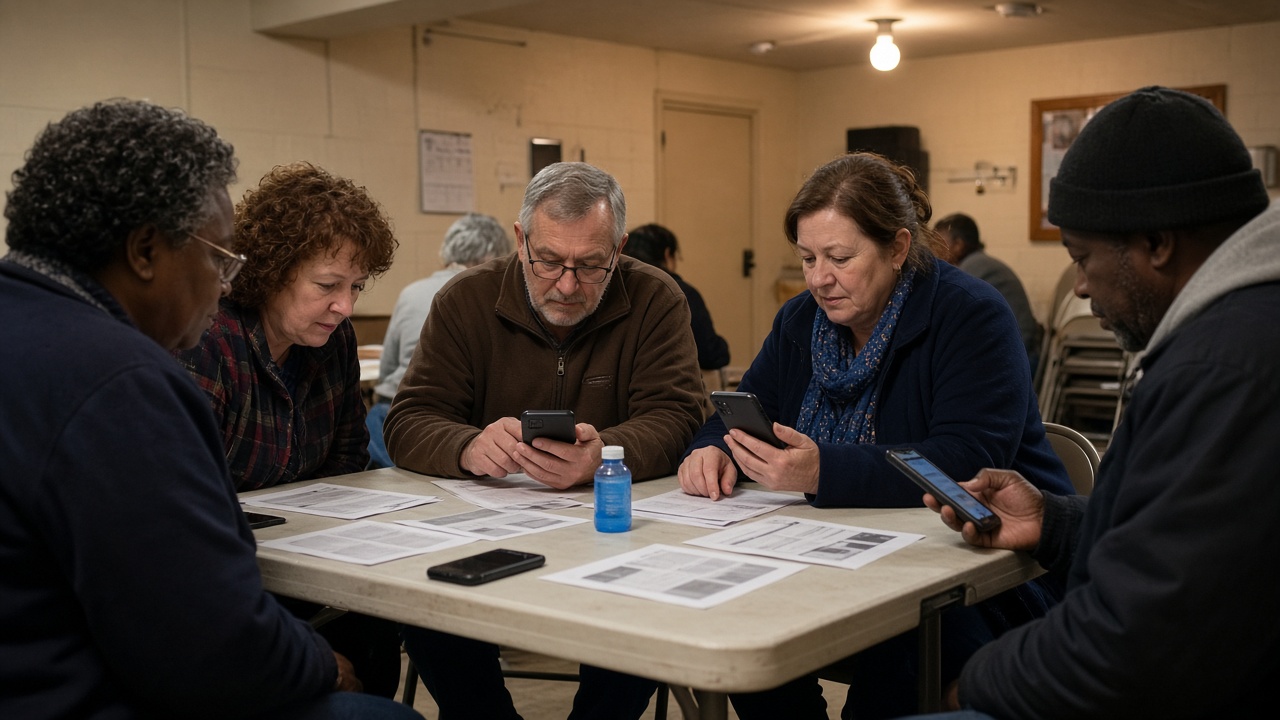
Meta released on-device moderation benchmarks this week aimed at election-era civic groups running volunteer-moderated channels, documenting how local classifiers perform on harassment, voter-intimidation, and doxxing patterns when cloud review queues lag during protest weekends, according to technical reports and partner briefings reviewed by InfoHandle.
What shipped as an artifact
The package is not a consumer app update alone: it includes latency tables, false-positive rates, and memory ceilings for models that run on mid-tier Android phones common among field organizers. Meta published JSON schemas so third-party civic-tech vendors can replay tests on their own handsets without sending private group messages to Meta servers.
Benchmarks cover English and Spanish harassment templates drawn from prior election cycles, with explicit gaps for Indigenous languages Meta said still lack sufficient training data.
Claim versus what outsiders can check
Meta claims on-device filters block eighty-five percent of severe harassment strings before upload while keeping median inference under forty milliseconds on a referenced 2024 handset. Independent researchers told InfoHandle they will replicate tests using Meta’s seed prompts but substitute locally authored messages—because volunteer groups invent slang faster than benchmark packs refresh.
Reports include ROC curves for doxxing detection, yet omit precision on political satire edge cases civic lawyers said matter in court challenges.
Who has power
Platform policy teams set removal thresholds; volunteer admins decide whether to trust on-device flags or override them. Meta’s benchmarks document override logging—metadata that could surface in discovery if groups sue over wrongful bans.
Election protection hotlines asked whether on-device scores feed back to Meta centrally; documentation says aggregate telemetry is opt-in for partner nonprofits, not default for neighborhood mutual-aid chats.
Why on-device matters now
Civic groups operating in stadium parking lots and church basements often lack reliable Wi-Fi when lines wrap around early-voting sites. Cloud moderation queues that stall for minutes can let intimidation videos spread; on-device blocks trade model sophistication for immediacy.
Civil society reactions
Digital rights groups welcomed published false-positive rates but criticized missing details on training data consent from prior moderation contractors. Meta said contractor datasets are excluded from redistribution for contractual reasons—a transparency limit evaluators cannot independently fix.
Integration with WhatsApp and Messenger communities
Benchmarks specify different memory caps for channels versus broadcast lists; civic vendors must retune if Meta changes end-to-end encryption packet sizes. Meta partners running get-out-the-vote scripts said they need advance notice before model bumps during early voting.
Government interest
State election directors asked whether benchmarks cover intimidation targeting ballot drop boxes; Meta added a September patch set after county officials shared redacted incident reports. Federal agencies did not certify the tools—state law still governs what constitutes illegal intimidation.
Limits
On-device models cannot see cross-platform harassment campaigns spanning SMS and email; benchmarks scope to Meta-owned clients only. Staged violent imagery detection remains cloud-heavy; devices may only hash-match known samples.
What careful readers still will not know
Meta does not disclose full architecture weights for on-device networks, citing abuse risk. Researchers must trust reported metrics or run black-box probes—an evaluation gap Meta acknowledges in appendix footnotes.
Next releases
Meta plans October updates adding audio snippet classifiers for voice-note intimidation, with separate benchmark sheets civic hotlines requested after 2024 complaints.
Volunteer training burden
Civic groups said benchmarks mean little without moderator office hours; Meta partners fund weekend trainings in battleground counties where law-school clinics walk volunteers through override logs. Groups without legal partners rely on PDF quick-starts—adequate for small towns, thin for metro counties with multilingual chats.
Comparison with cloud queues
Meta documentation shows cloud review still catches novel slurs on-device models miss; benchmarks quantify the gap so groups can decide when to throttle uploads during spikes. Transparency advocates want that gap published per language slice, not aggregated globally.
Election attorneys in two states asked Meta to notarize benchmark versions used in court exhibits; Meta declined, citing rapid iteration, but offers signed PDF hashes for civic partners under NDA.
Smaller church-based groups without IT staff can download a lite benchmark pack that runs on donated handsets—hardware Meta said must meet minimum RAM floors published in the appendix tables.