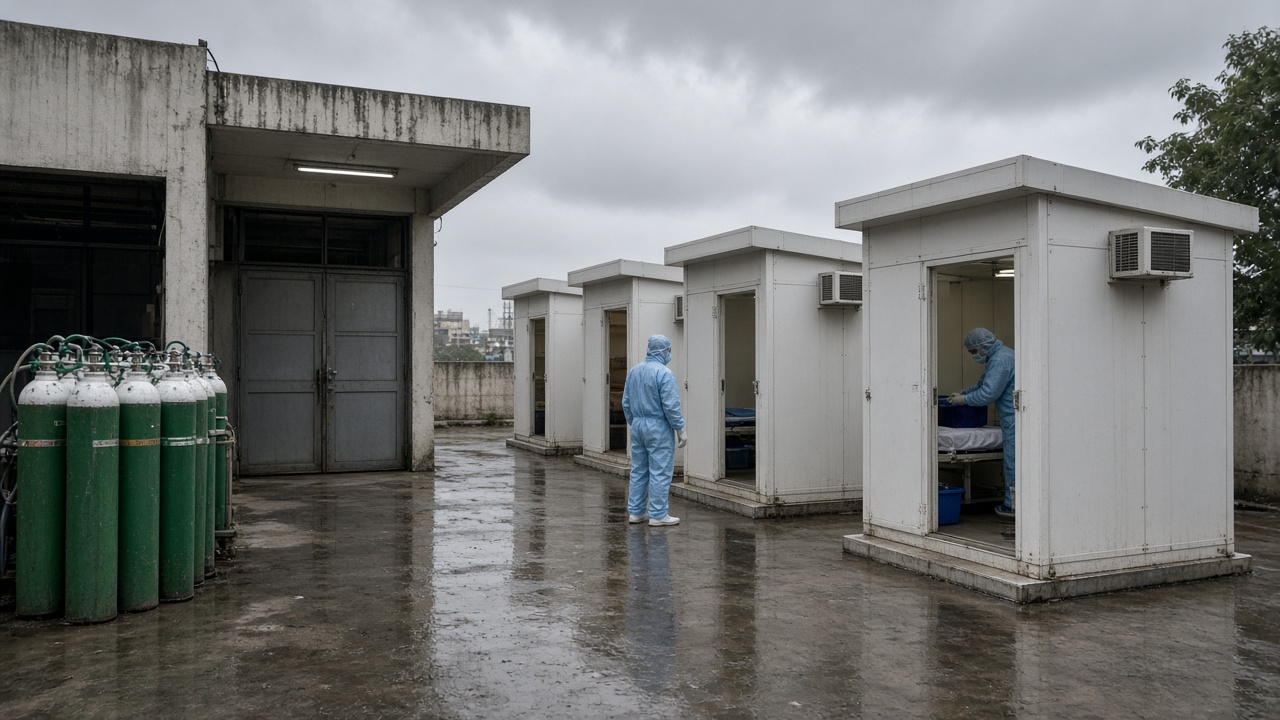
Brihanmumbai Municipal Corporation began rolling prefabricated isolation cubicles into overflow bays at peripheral hospitals this week, a move health officials tied to rising leptospirosis vigilance as Yamuna floodwater recedes in Delhi and late monsoon sheets still pool in Mumbai’s low-lying wards.
What triggered the cubicles
ICMR’s September advisory noted a jump in suspected leptospirosis samples from North India districts where riverbanks stayed submerged for more than ten days after the Yamuna crest passed. Mumbai’s epidemiology cell said it is not waiting for a local surge: KEM and Sion already admitted travelers and migrant workers with fever and calf pain after exposure to flood-soaked sites in the NCR before boarding trains south. BMC’s executive health officer told ward medical officers to separate those cases from general fever wards without sending every patient to a distant infectious-disease block.
The cubicles—ventilated pods with negative-pressure fittings borrowed from tuberculosis retrofit kits—give nurses a place to start doxycycline under observation while rat-exposure histories are logged. Absolute risk remains low for most Mumbaikars, but clinicians stressed that untreated leptospirosis can move fast when kidneys are already stressed by dehydration on construction sites.
How BMC is screening
Outpatient departments in L-ward and M-east received laminated checklists: wading in floodwater, barefoot market runs, slaughterhouse work. Fever clinics that saw dengue traffic all August now ask the same leptospirosis questions before drawing blood. Municipal labs said rapid IgM kits are rationed to patients with both fever and occupational exposure, matching ICMR’s triage language rather than blanket testing.
Vector-control teams resumed baiting around storm drains that back up when high tide meets cloudbursts; leptospirosis is bacterial, but standing water keeps rats moving through food waste. NGOs running post-flood camps in Uttar Pradesh sent BMC a list of return-phone numbers for families headed to Mumbai—data the corporation said it will use only for follow-up calls, not travel bans.
What patients should expect
Isolation cubicles are not full ICU rooms: they hold a cot, IV pole, and a window for kin to wave through. Average stays run 48–72 hours if oral antibiotics work and renal markers stabilize. BMC pledged to publish weekly counts by ward, separate from dengue and malaria tallies, so general practitioners can calibrate referrals.
Private hospitals in Bandra and Powai said they are mirroring BMC triage questions at registration desks so transfers do not lose exposure history. Insurance desks note that leptospirosis treatment usually falls under standard inpatient cover, but policies still exclude “epidemic” riders some employers bought during COVID—language insurers are revisiting after flood seasons stacked claims.
Until the Yamuna basin dries and Mumbai’s last monsoon pulses pass, the practical message in waiting rooms is blunt: wear covered shoes in murky water, seek care early if fever follows a soak, and tell doctors if you recently left a flood zone—even if your address is in Mumbai.