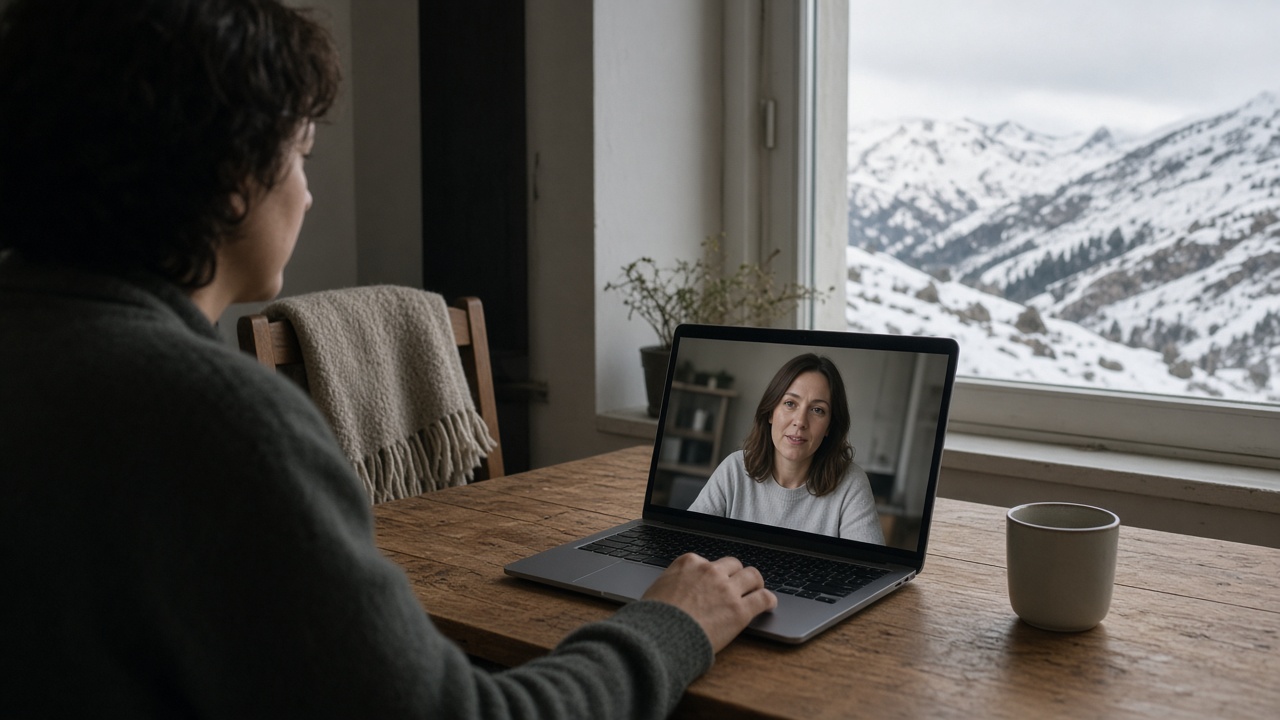
As Nagano lodge owners publish winter rotation calendars, dual-location couples told InfoHandle they are reserving Sunday mornings for video calls before lift tickets and powder forecasts consume the weekend. The habit replaces ad hoc texting between Tokyo apartments and chalet Wi-Fi and reflects how telework policies now stretch commutes into multi-day stays without formal relocation.
Why Sunday morning
Partners who alternate office weeks in Tokyo with four-day Nagano blocks said Saturday nights are social—hosting friends, onsen trips, gear prep—while Sunday 9:00–10:30 a.m. sits before checkout drives or shinkansen returns. Blocking the slot on shared calendars prevents managers from scheduling “quick syncs” that bleed into family time. Several couples use the same agenda template: finances, guest lists for New Year, and who buys lift passes before dynamic pricing jumps.
MLIT telework surveys show rising multi-residence patterns among information workers even as companies mandate anchor days in capital offices. Nagano Prefecture tourism data highlight longer shoulder-season bookings when remote work meets ski passes; lodges now market desks and fiber upgrades alongside futon rooms.
Relationship mechanics
Therapists interviewed cautioned that structured calls help only when both partners treat them as commitments, not background noise while packing boots. Couples who succeed mute workplace Slack on lodge phones and use camera-on norms so tone mismatches surface early—important when one partner faces Tokyo client pressure while the other is on mountain time.
Conflicts often center on chores: who restocks Tokyo fridges before leaving, who pays utility spikes when lodges sit empty midweek. Sunday agendas explicitly rotate task owners for the upcoming block, reducing arguments at station kiss-and-rides.
Lodge and employer friction
Some Tokyo employers still schedule Sunday town halls for U.S. headquarters; couples negotiate exemptions or swap weeks when rotations clash. Nagano lodges benefit when guests stay through Sunday night instead of fleeing after Saturday skiing, but thin walls make private calls tricky—several couples buy pocket Wi-Fi and walk to empty conference rooms properties added during COVID renovations.
Cabinet Office work-style materials encourage predictable off-hours; none mention ski-town logistics, yet HR departments increasingly see leave requests citing “secondary residence weeks” without formal transfer.
Limits
Standing calls are not counseling substitutes when resentment runs deeper than scheduling. Readers should not force partners into video check-ins if in-person trust is broken—geographic splitting amplifies avoidance. For healthy partnerships, the Nagano pattern is a calendar hack: protect a weekly window before winter noise, document decisions, and treat lodge time as shared life rather than solo vacation while the other pays Tokyo rent alone.
When calendars slip
Couples who miss two consecutive Sundays because of powder days or client crises said they reschedule midweek evening calls rather than stacking grievances into text threads. Lodge owners notice lower complaint rates when guests return to Tokyo rested; several inns now print Wi-Fi passwords on lodge stationery with a quiet-hours footnote supporting the Sunday ritual without policing rooms.