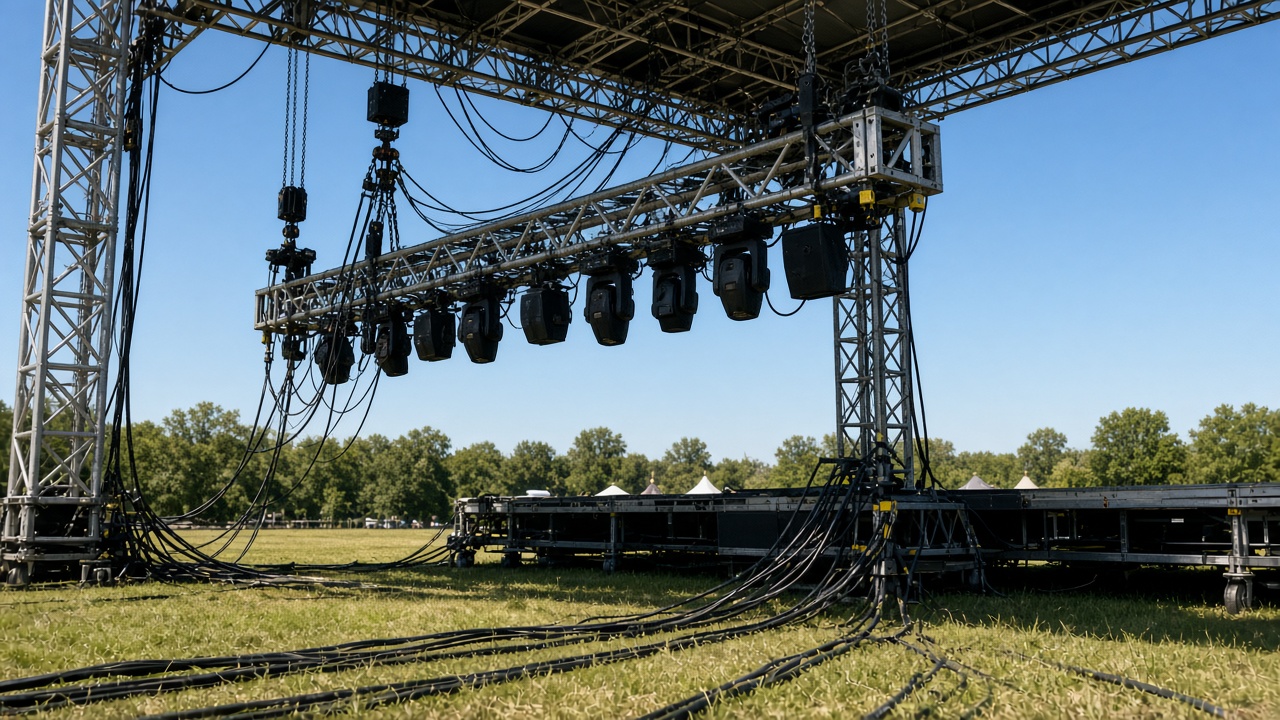
StageSense, a Nashville venue-operations startup, signed a multi-festival deal to stream load-cell readings from temporary stages, giving riggers live weight alerts when speaker stacks and LED walls approach engineering limits, according to contract summaries and field tests reviewed by InfoHandle.
Deal structure—not quite a round
The agreement mixes upfront hardware leases with per-show SaaS fees rather than a headline venture round. A Southeast promoter consortium prepaid three seasons in exchange for board observer rights and discounted sensors on twelve routed festivals.
Founders kept majority control but granted the consortium revenue share on upsells to food-vendor rigging—a niche cross-sell born when a cornhole deck collapsed a side stage fence.
Business in one sentence
StageSense clips wireless load cells onto truss shackles and pushes thresholds to rugged tablets so riggers can shed ballast before inspectors shut down sound checks.
What shipped to the field
Hardware kits include calibrated cells, mesh radios that work when LTE chokes on crowded infields, and playbooks aligned with Event Safety Alliance wind protocols. Dashboards show per-corner loads, not just total weight—critical when Nashville riverfront stages list on soft soil.
Money and dilution context
StageSense raised a $4.1 million seed last year; this festival deal acts as a non-dilutive growth round founders said extends runway eighteen months without pricing a Series A during touring slowdowns.
Who owns what
Promoters own truss inventory; StageSense owns firmware and anonymized load benchmarks across genres. Insurance underwriters get read-only portals during shows—a data right lawyers negotiated after a 2024 wind cancellation dispute.
If the next round does not exist
Founders target forty recurring festival clients across the Southeast; miss that, and they pivot to fixed installs at honky-tonk rooftops—a smaller market but steadier than seasonal routing.
Regulatory pressure
OSHA inquiries after portable stage incidents pushed promoters to document load monitoring; StageSense exports timestamped CSVs inspectors can subpoena. Metro Nashville fire marshals asked for API access during CMA Fest weekends—integration work the deal funds.
What broke in pilots
Bluetooth interference from wireless in-ear monitors skewed readings until StageSense shielded antenna leads; a Bonnaroo-side test logged false spikes until firmware gated rapid oscillations.
Competitive landscape
Legacy rigging shops sell manual dynamometers; StageSense bets promoters will pay for continuous telemetry when artist riders add delay towers at the last minute—a Nashville habit.
Governance with promoters
Consortium board observers can veto firmware changes during active tours—a control founders accepted to win prepayment. Union riggers asked whether cells replace human spotters; contracts clarify alerts supplement, not replace, certified riggers.
What investors still cannot model
Weather cancellations erase show fees but not sensor depreciation. The festival deal buys mesh reliability tests and soil-mechanics consulting—not a guarantee every promoter will ditch clipboards.
Artist rider chaos
Last-minute delay towers arrive after load plans freeze; StageSense dashboards let riggers reallocate ballast in minutes—a workflow promoters said sold the deal more than sensor accuracy specs.
Fixed-venue upsell
Broadway Nashville clubs asked for permanent installs after a rooftop showcase exceeded weight limits; festival cash funds R&D for smaller cells that fit historic facades without drilling stone cornices.
Data liability
Load logs could reveal setlist timing via weight spikes when pyro decks move; contracts limit promoter data use to safety investigations, not talent negotiations—a clause artists’ reps requested.
Seed investors wanted proof the festival deal converts to annual recurring revenue; founders modeled eighty percent renewal if mesh radios survive truck washes between routed shows.
Nashville Metro codes staff requested sandbox API keys to rehearse marshaling workflows before riverfront country festivals—integration time the prepayment covers through March.
StageSense hired two former union riggers as customer success leads so sales engineers stop promising bolt loads the truss charts never supported—a hire founders said came straight from promoter reference checks.
Promoters testing the system during sound check said the biggest win was alerting when crowd barriers leaned against stage legs—weight the load cells caught even though the truss itself looked balanced on paper.
Founders will report attach rates per festival leg in January board decks; missing targets triggers a clause letting the consortium renegotiate per-show fees without exiting the contract.