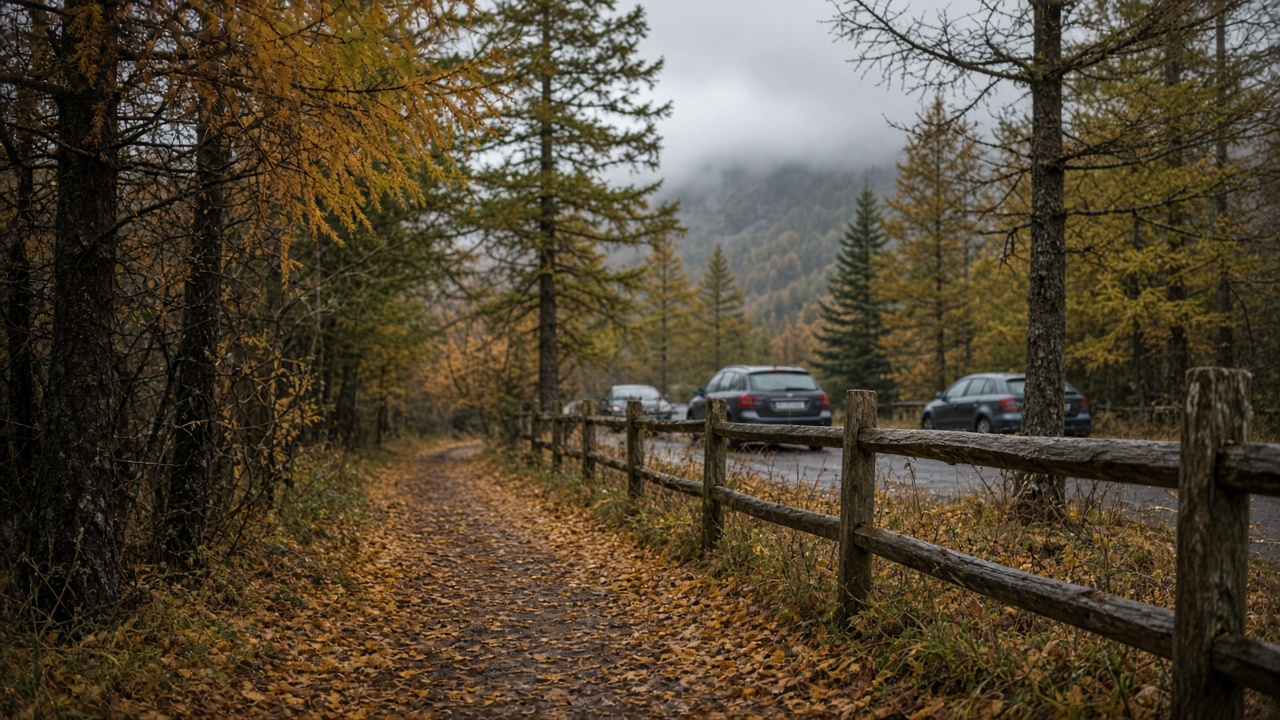
National Trust rangers opened member booking slots for peak autumn colour weekends at popular Lake District woodlands after last October's traffic jams on narrow Borrowdale lanes convinced estate managers to cap car-park entries. The system, live on the trust's app this week, covers Tarn Hows, selected Great Langdale approaches, and lakeshore walks where Japanese larch and birch turn gold within a ten-day window.
Why slots exist
Leaf peeping is predictable; infrastructure is not. Single-track roads to Tarn Hows cannot safely queue hundreds of cars while coaches unload. Rangers logged hour-long tailbacks that blocked farm access and emergency vehicles. Timed entry does not reduce total visitors much but spreads arrivals across morning and afternoon blocks, letting staff direct parking on grass verges without crushing drainage.
Non-members can still walk in from public footpaths, but trust car parks require reservations during flagged weekends in late September and early October. Slots are free beyond normal parking charges where applicable; the friction is planning, not price.
Member logistics
Members link cards in the app and claim two vehicle bookings per day during peak colour alerts. Rangers send push notifications when chlorophyll drop accelerates—often after first frost on higher fells. Harriet Zhou's household test: setting alerts beats scrolling social posts that recycle the same Tarn Hows photo years apart.
Coach tour operators negotiated block bookings for weekdays; weekends remain member-heavy because locals know the colour clock. Dogs on leads remain welcome, but rangers ask owners to avoid lake shorelines where ground-nesting birds finished seasons yet sediment is still soft.
On-the-ground work
Footpath teams repaired boardwalk sections washed out by July storms before autumn crowds arrive. Volunteers raked invasive rhododendron shoots on edges where trust woodland meets open fell—work invisible on Instagram but essential to keep native birch stands healthy. Leaf-peeping revenue indirectly funds that labour through membership rather than per-walk tickets.
Lake District National Park Authority urges visitors to use Brockbus routes from Ambleside where possible; trust slots do not include bus passes but rangers promote park-and-ride when windstorms close high passes.
Weather and timing
Colour peaks shift with elevation: valley birch turns before craggy oak on Helvellyn slopes. Booking a slot for the "wrong" weekend still yields a walk, just greener canopy. Rangers maintain a simple webcam-free status page updated by patrol radio—honest reporting beats hype.
Heavy rain after booking does not refund slots; trust terms treat weather as part of hill walking. Waterproof boots matter more than camera lenses.
Alternatives if full
Whinlatter Forest and Grizedale offer Forestry England trails without the same reservation system but draw their own crowds. Quieter trust pockets include lesser-known tarns above Coniston when members accept a steeper hike instead of a postcard view. Leaf peeping is leisure, not competition—but Lake District residents asked for relief from bumper-to-bumper Sundays, and timed slots are the trust's compromise between access and keeping narrow valleys livable for farmers who still haul hay in October.