NEC told municipal customers Thursday it will delay shipments of LoRaWAN gateways earmarked for Fukushima Prefecture smart-infrastructure pilots until a revised firmware build clears field soak tests, after an August over-the-air update left several units unable to rejoin regional networks. Town halls in Koriyama, Iwaki, and Aizu-Wakamatsu had planned September cutovers for water-tank level sensors and elderly welfare beacons; they will keep paying cellular fallback fees for at least five weeks.
What failed in the field
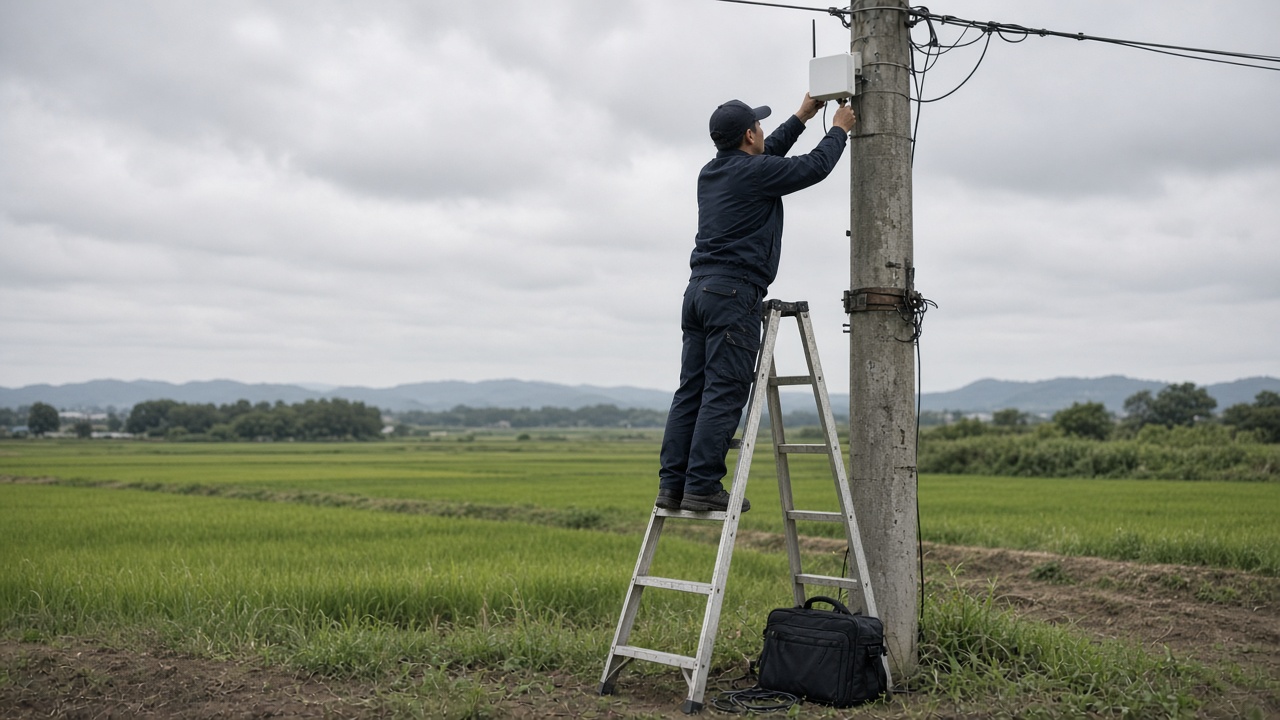
The affected image targeted NEC’s compact outdoor gateways mounted on utility poles and school rooftops. Internal release notes seen by InfoHandle describe a race condition when humidity sensors on the board reported condensation during typhoon-season nights—the stack rebooted before LoRa concentrator firmware finished checksum validation, leaving radios silent while power LEDs still glowed green.
Fukushima’s digitalization office said twelve of forty staged units failed the same overnight script in a Koriyama warehouse testbed that mirrors coastal fog. NEC halted further pushes nationwide for that hardware revision, though units already live in Hokkaido snow-country pilots use an earlier branch and were not updated.
Municipal fallout
LoRaWAN was supposed to cut per-sensor costs for towns replacing aging 3G modems on rural tanks. Koriyama’s public works director said cellular backup modems cost roughly 1,800 yen per month per site—manageable for a dozen locations but painful if the gateway delay stretches into rice-harvest season when tank telemetry must be hourly. Welfare departments that paired LoRa badges with daytime activity monitors postponed a press tour for senior-center donors.
NEC dispatched engineers to swap gateway boards on units that never received the bad build and to log serial numbers for insurance claims. Ministry of Internal Affairs smart-city subsidy paperwork requires vendors to document delays; municipalities said NEC’s letter will be attached so auditors do not treat the slip as local mismanagement.
Support and accountability
NEC’s IoT division publishes maintenance windows on its English solution pages, but municipal IT staff complained hotline queues lengthened after the firmware freeze because the same team supports POS terminals for retailers. A partner systems integrator in Sendai told InfoHandle it hired two contract firmware testers to replay soak scripts while NEC’s mainline team prepares a signed image.
LoRa Alliance certification does not cover every OTA path vendors ship; Fukushima officials asked MIC whether national templates should mandate rollback slots. MIC has encouraged interoperability tests but stopped short of mandating dual-bank firmware after industry pushback on bill-of-materials costs.
What towns should plan for
NEC targets an October 14 reissue if humidity-chamber runs pass twice without bricking. Towns should keep cellular SIMs active through at least November billing cycles and avoid scheduling citizen-facing demos on LoRa-only paths until field techs confirm join packets on production network servers. Integrators recommend logging gateway heartbeat MQTT topics separately from sensor payloads so silent radios trigger alerts faster than waiting for missing water-level readings.
For residents, the practical effect is invisible unless welfare beacon trials pause—those pilots were already opt-in. Water service continues; only the granularity of remote alerts changes. NEC has not quantified compensation; municipalities are negotiating credit memos against pending purchase orders rather than cash refunds.
Broader Japan rollout
Other prefectures watching Fukushima’s subsidy application include Miyagi and Yamagata, which share integrators. They delayed their own gateway orders pending NEC’s root-cause summary, a pause that could bunch Q4 deliveries if the fix lands on schedule. Rivals such as Fujitsu and NEC’s own LTE-M gateways pitch hybrid concentrators, but towns that already bought LoRa sensors want the promised radio, not a protocol swap mid-pilot.
NEC shares were little changed Friday; investors treat municipal IoT as a small slice of systems revenue. For field technicians, the lesson is familiar: firmware that ships without climatic soak time becomes everyone’s problem once typhoon humidity meets mountaintop poles.
Integrator checklist
Systems partners should snapshot network-server configs before swapping boards, because LoRa spreading factors tuned for flat cities may need adjustment on Fukushima hillsides. NEC’s revised release notes promise a one-click export of join-server keys; towns that improvised manual spreadsheets during staging should reconcile them before October deliveries resume.