Okta published a higher-severity campus advisory Friday after identity teams at more than thirty U.S. universities reported spikes in session-hijack attempts tied to passwords students reused between learning-management systems and single sign-on portals, a pattern that lets attackers skip multifactor challenges once a stale browser cookie is copied.
What Okta confirmed
The vendor’s trust team said it logged a 240 percent quarter-over-quarter increase in “cookie replay” tickets from higher-education tenants using Okta Identity Engine, with the largest clusters at large public systems running Canvas and Blackboard behind the same Okta front door. Okta did not name individual schools and stressed it had not found a flaw in its own session minting; instead, operators are reselling open-source kits that import stolen LMS credentials, exchange them for campus SSO tokens on shared lab machines, and export session cookies buyers can paste into their browsers.
Campus security operations centers at three Big Ten schools told InfoHandle they intercepted parallel campaigns in the past ten days, each using different hosting but identical JavaScript loaders. None of the schools confirmed grade tampering, but two said attackers briefly accessed bursar holds and financial-aid summaries visible inside the student portal shell.
Who is exposed
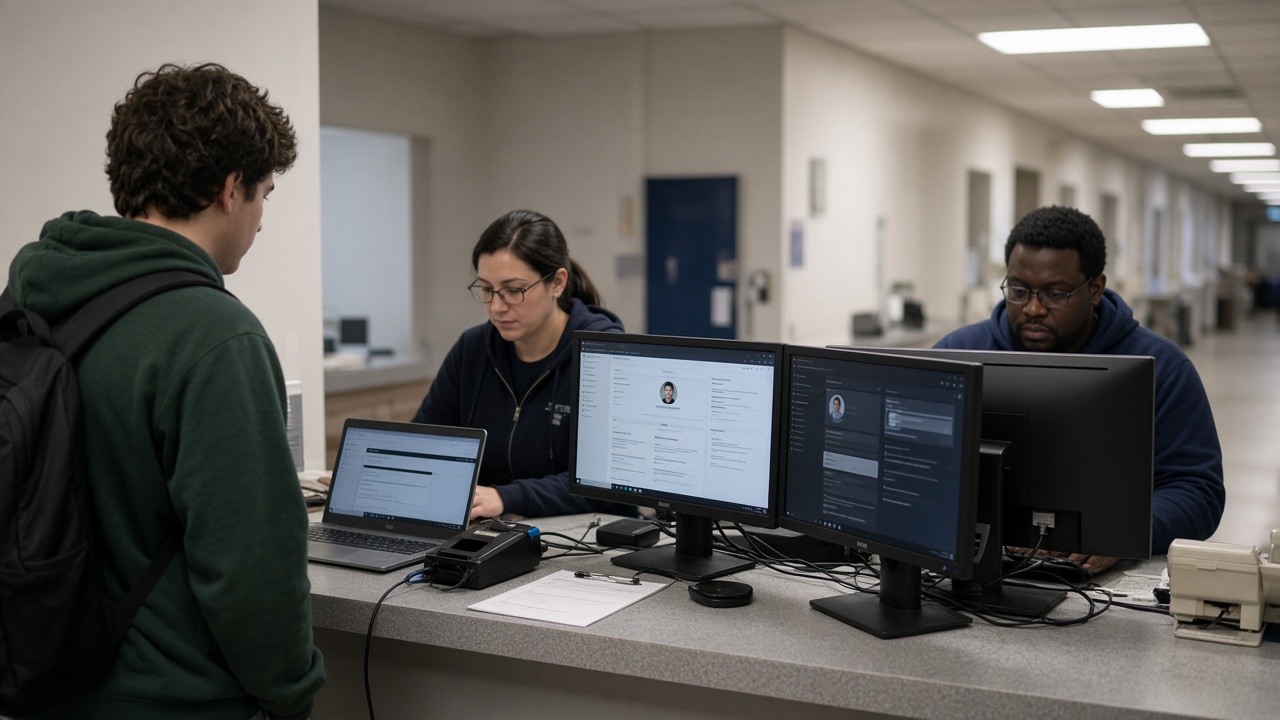
Students who reuse passwords between LMS accounts and university email remain the weakest link, but the blast radius is wider: hijacked SSO sessions often reach library proxies, cloud lab VMs, and ticketing systems that trust the same identity provider. Faculty who stay logged in on classroom podium PCs create shared-device risk when kits scrape disk-stored cookies after hours.
Research hospitals affiliated with universities said they are segregating clinical apps from student SSO precisely because help desks cannot force password resets during the first week of classes without flooding call centers.
Confirmed versus claimed
Okta confirmed it is shipping tighter device-binding defaults for education SKUs next month, including shorter refresh-token lifetimes on unmanaged browsers. Marketing posts on criminal forums claiming “Okta bypass” are overstated, according to the advisory; the observed path is credential reuse plus cookie theft, not MFA bypass on properly enrolled FIDO keys.
FBI Internet Crime Complaint Center spokespeople said they had no public attribution tying the kits to a named group. Campus police at one Midwestern flagship opened a local case after a student reported unauthorized drops from enrolled courses; investigators have not said whether the changes were automated.
What campuses must patch, rotate, or disclose
Okta urged tenants to enable continuous access policies that re-prompt MFA when IP geolocation jumps, block legacy IMAP passwords that double as LMS logins, and rotate service-account secrets tied to LMS-to-SIS integrations. Identity teams should also audit “remember this device” settings on library kiosks and chemistry lab workstations.
Legal and insurance counsel at several institutions scheduled briefings on whether session hijacks trigger state breach-notification laws when attackers viewed financial-aid pages but did not download bulk rosters. Okta recommended documenting session invalidation timestamps even when no exfiltration is proved.
Lessons before add-drop ends
Help desks that only force password resets without killing active SSO sessions may leave hijackers inside portals for hours. Security engineers said the fix is paired resets: invalidate all refresh tokens, purge LMS sessions, and push students through hardware-key enrollment tables before reissuing holds-sensitive links.
Until device binding ships broadly, the measurable risk is operational: criminals are buying campus life for the price of a reused password and a copied cookie, and universities are being asked to treat classroom browsers like ATMs—assume the next user is an adversary.
Vendor coordination
Canvas parent Instructure said it is publishing hardening guides for campus SSO integrations, including shorter session timeouts on embedded LTI launches. Blackboard urged tenants to disable concurrent sessions on shared machines. Neither LMS vendor reported a platform zero-day; both framed the surge as identity hygiene failure amplified by commodity malware kits.
Okta plans a joint webinar with Educause on September 24 for chief information security officers; registration is limited to .edu security contacts. The session will cover sample Splunk queries Okta shipped to detect cookie replay attempts without publishing exploit code.
What comes next
Congressional staff on higher-ed cybersecurity working groups asked for anonymized ticket volumes after news of the advisory leaked on campus IT mailing lists. Okta said it will share aggregate trends with the Cybersecurity and Infrastructure Security Agency’s education sector coordinating council, not live indicators, to avoid tipping defenders’ detection rules.
For students, the practical takeaway is blunt: unique passwords and hardware keys beat another awareness poster. For administrators, the takeaway is procedural: a password reset that leaves SSO cookies alive is not recovery—it is a head start for whoever already bought the session.