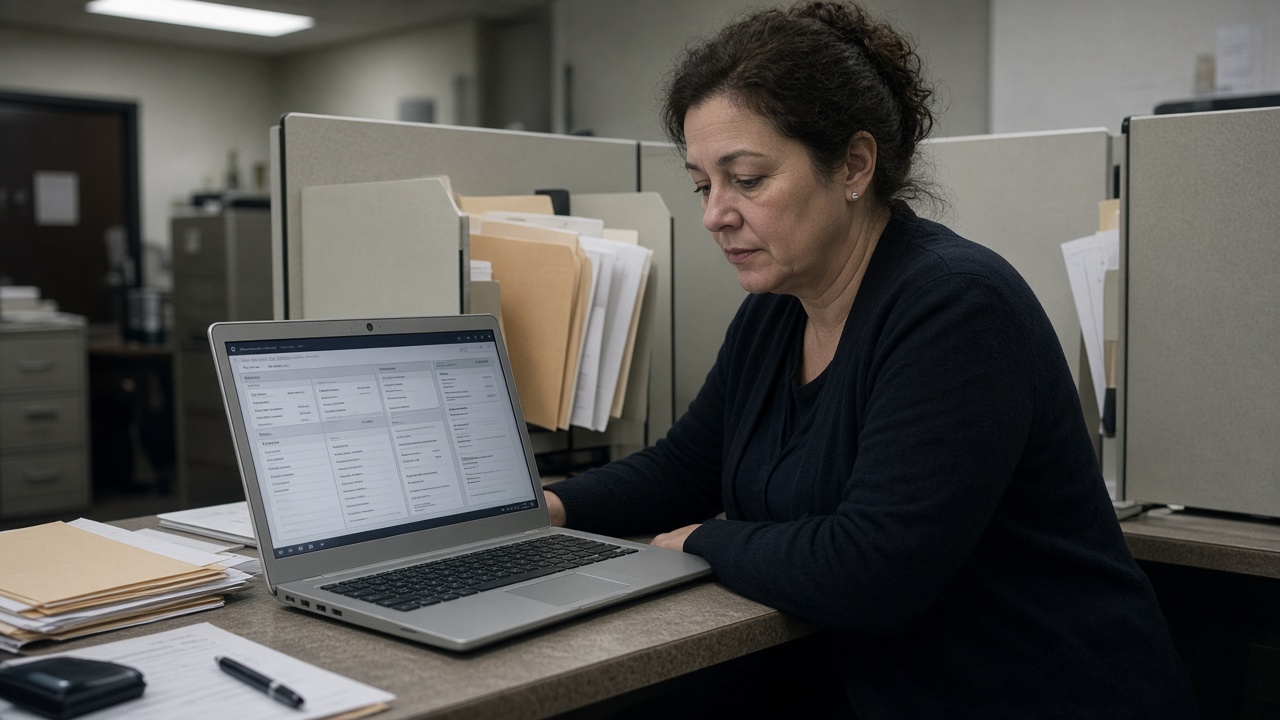
Palo Alto Networks bundled identity log exports into a phishing-drill package for a Midwest county tax office this week, letting clerks replay sign-in trails after simulated credential-theft emails instead of relying on slide decks alone, according to county CIO briefings and vendor integration notes reviewed by InfoHandle.
What the bundle adds
The offering ties Prisma Access identity timestamps to Cortex XSIAM playbooks preloaded for property-tax season. When clerks click drill links, analysts see not just a fail tally but which multifactor prompts fired, which legacy IMAP clients bypassed conditional access, and which shared kiosk accounts still lack per-user pins.
County IT said the package shipped as configuration templates rather than a new SKU—important for boards that cap security spend while property appeals flood call centers.
Why a tax office cares
Tax offices sit on deed transfers, bank account numbers for refunds, and senior staff who remember paper ledgers. Phishing drills here mimic wire-fraud templates targeting treasurers, not generic prize scams. County auditors wanted logs formatted for public-records retention schedules so drill data does not mingle with real taxpayer PII longer than ninety days.
Palo Alto’s export maps to CSV layouts the county already feeds into archival systems, reducing bespoke ETL work interns used to maintain.
Who supports it in six months
County help desks are thin; Palo Alto routed tier-two identity questions to a state consortium contract shared with neighboring counties. If that consortium re-bids next spring, drill configurations must migrate—a portability test CIOs said they will run before Black Friday property-tax deadlines.
Bottleneck: shared accounts
Part-time seasonal clerks still share Windows profiles in satellite offices. Identity logs exposed twelve shared accounts logging in from home ISPs during drills, pushing the county to fund Fast Identity Online keys for high-risk roles even though hardware budgets were earmarked for scanner upgrades.
Drill realism versus fatigue
Union representatives asked to cap drill emails during appeal hearings. Palo Alto templates include quiet hours and localized subject lines referencing county branding guidelines—small UX choices that reduce click rates but improve realism for staff who recognize internal newsletter fonts.
Integration with existing stacks
The county runs hybrid Active Directory and a cloud HR system; identity logs stitch on-prem legacy tax mainframe sessions only through a jump host. Palo Alto documentation flags those sessions as “high latency identity” so analysts do not misread delayed MFA prompts as bypasses.
What broke in early pilots
A June pilot mis-tagged a legitimate state revenue portal as malicious, locking two clerks out during a live filing window. Palo Alto shipped a allowlist workflow; county CIOs said they will not run parallel drills during state settlement weeks again.
Vendor competition
Microsoft Defender and CrowdStrike offer similar identity timelines; the county picked Palo Alto because Prisma already terminated VPN traffic for assessors visiting field offices. Switching vendors mid-drill season would forfeit correlation IDs auditors wanted for a single dashboard.
Public accountability
County commissioners asked for quarterly summaries suitable for open meetings—click rates, not raw logs. Palo Alto’s reporting module aggregates by department; privacy officers redact names before packets hit PDF agendas.
Next tests
October drills will add voice phishing against call-center temps, with identity logs correlated to PBX caller IDs. Success is measured in fewer password resets during peak refund weeks, not vanity zero-click quarters.
State consortium economics
Neighboring counties piggyback on the same Palo Alto templates through a shared procurement vehicle, splitting professional-services days for playbook customization. That pooling lowers per-seat costs but means configuration mistakes propagate—CIOs run staged rollouts in treasurer offices before touching assessor databases.
Retention and public records
Drill logs must age out faster than fraud investigation evidence; county counsel wrote a schedule aligning Palo Alto exports with Michigan records-retention schedules for local units of government. Misaligned timers could force clerks to delete drill proof while appeals cases remain open—a edge case the vendor’s legal brief addresses with separate storage buckets.
Assessor staff who never took cybersecurity training now get five-minute replay videos tied to their own sign-in rows—a format CIOs said improved retention more than annual all-hands lectures.