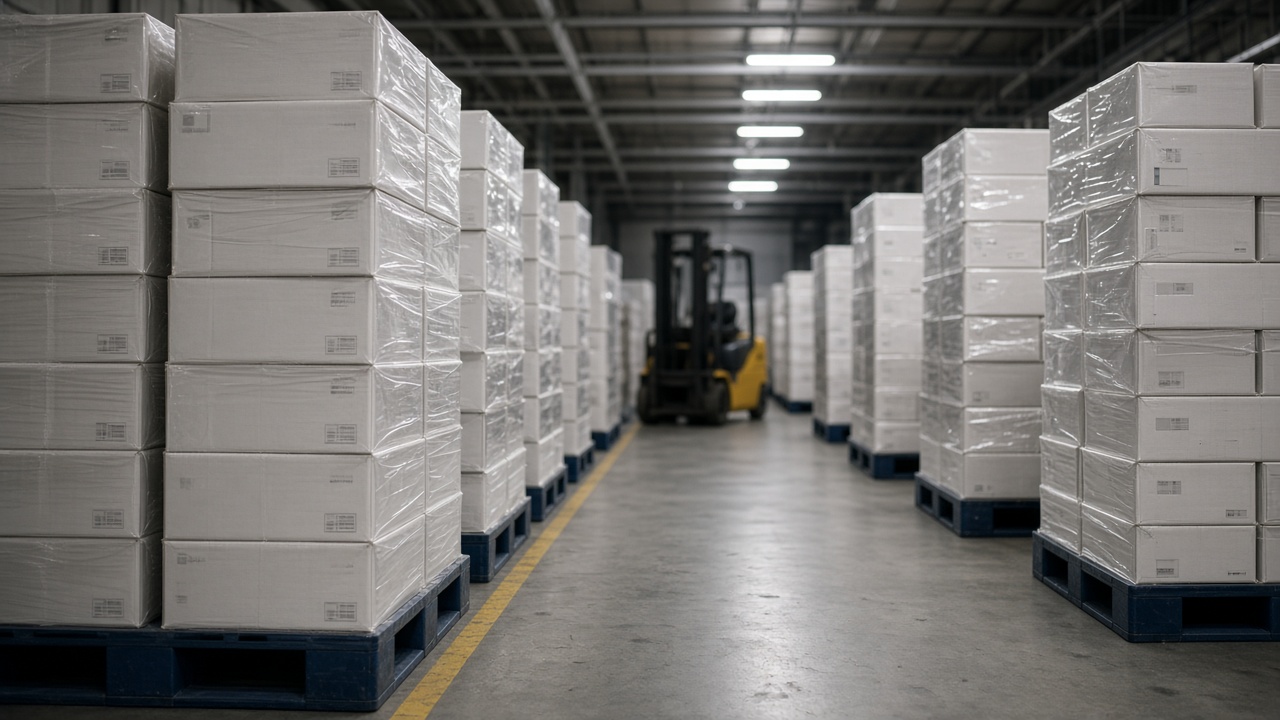
Pfizer held its quarterly dividend steady in September while investors scrutinized how much cash Paxlovid stockpile obligations and fading COVID revenue still drain from free cash flow, the pool that ultimately funds the payout income shareholders treat as non-negotiable.
Who outperformed—and who did not
Pfizer's shares traded in a narrow band near recent lows even as the broader drug index rallied on obesity and oncology headlines, reflecting a split audience: income funds anchored to the $1.72 annual dividend and growth investors skeptical that non-COVID brands can refill the gap left by Comirnaty and Paxlovid. Third-quarter guidance tweaks are not the driver; the mechanism is cash coverage.
Full-year 2025 results showed Paxlovid revenue down 70% operationally as infections and international government purchases fell, partially offset by higher U.S. net pricing after the transition from government distribution. Excluding Comirnaty and Paxlovid, revenue grew 6% operationally—a figure management repeats—but that growth has not yet restored the free cash cushion Pfizer enjoyed in 2022.
Free cash versus dividend
Pfizer returned $9.8 billion to shareholders through dividends in 2025 while generating about $9.1 billion in free cash flow, according to annual reporting and third-party cash-flow compilations. Paying out slightly more than free cash is sustainable for a quarter or two if working capital releases help, but it becomes a board-level issue if stockpile costs linger.
Management's capital allocation framework still lists maintaining and eventually growing the dividend as pillar one, reinvestment and business development as pillar two, and future buybacks as pillar three. With repurchases off the table near term, every Paxlovid pallet sitting in a third-party logistics site competes with oncology pipeline spend for the same dollar.
Stockpile math the release understates
Prior-year filings detailed one-time Paxlovid revenue from fulfilling a Strategic National Stockpile delivery of one million treatment courses supplied at no cost to taxpayers, plus accounting true-ups on returned EUA-labeled courses. Even after those items roll off, warehousing, stability testing, and obsolescence reserves on remaining doses consume operating cash.
Investors modeling 2026 ask whether destocking is finished or whether additional write-downs will hit cost of sales. Pfizer's guidance reaffirmation in February suggested confidence, but September channel checks from hospital buyers show ordering in smaller lots, reducing near-term shipments while extending inventory days on hand at the company.
What the street already priced
Consensus adjusted earnings estimates embed mid-single-digit declines from COVID products through 2026. The debate is on the cash line, where depreciation add-backs mask real outlays for manufacturing network rightsizing. Seagen integration costs and higher interest expense after pandemic-era deleveraging further squeeze flexibility.
Bulls point to 6% operational growth in the core portfolio and pipeline readouts in breast cancer and vaccines. Bears counter that dividend coverage below 100% of free cash flow leaves little room for another acquisition without cutting the payout—an outcome income funds say they will fight.
What would falsify the bear case by Friday
Any disclosure that Paxlovid inventory reserves fell faster than expected, or that operating cash flow in the latest quarter exceeded dividend payments by a comfortable margin, would challenge the narrative that Pfizer is borrowing to pay shareholders. Conversely, a guidance cut tied to COVID antiviral volumes or a large stockpile charge would reinforce it.
Credit rating agencies have not moved Pfizer's investment-grade status, but they cite dividend commitment as a constraint on leverage. That linkage keeps treasury officials focused on working capital releases as much as on R&D milestones.
Mechanism for holders
For income investors, the stock behaves like a bond with a 6%-plus yield and equity optionality on pipeline success. The mechanism tying Paxlovid stockpiles to dividend safety is inventory turnover: slower turns tie up cash that could cover the payout without new debt.
Pfizer's board did not cut the dividend in September, signaling belief that 2026 free cash flow will at least match the $9.8 billion annual dividend bill. Markets will test that belief each quarter until COVID-era inventory is truly behind them.