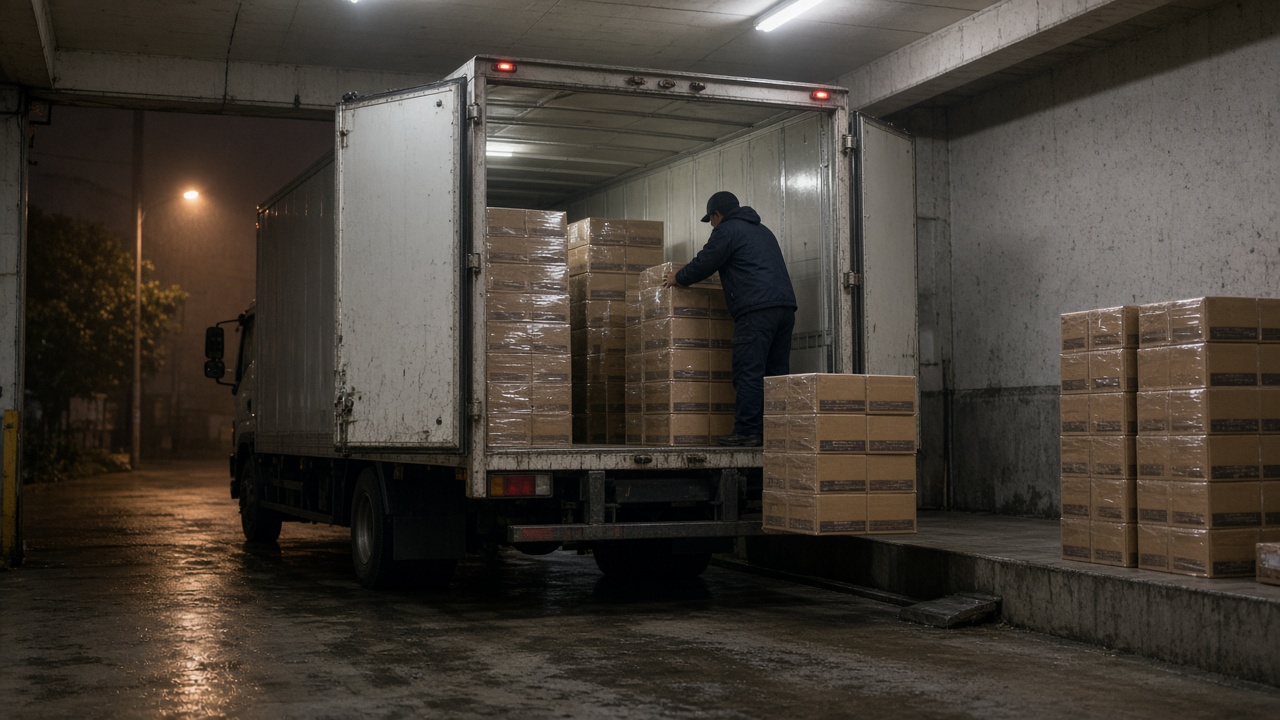
President Chain Store Corp., operator of Taiwan's 7-Eleven franchise, told logistics partners to reroute refrigerated mooncake deliveries through three regional cold hubs and to log dry-ice weights at every handoff before the Mid-Autumn Festival weekend, according to an operations bulletin distributors received on Wednesday and reviewed by InfoHandle. The change is a response to late-September heat that pushed depot thermometer readings above internal thresholds on custard and ice-cream mooncake SKUs—not a product recall.
What changed on the route map
Instead of sending multi-temperature trucks directly from bakeries to urban stores, drivers will stage at Taoyuan, Tainan, and Hualien cross-docks where quality teams re-scan box temperatures and swap gel packs. Night deliveries to mountain counties get priority slots after Central Weather Administration forecasts showed daytime highs still touching 33 degrees Celsius in western valleys.
Store managers received a simplified hold code: any box above four degrees Celsius at receipt must sit in the store's dedicated freezer bay for thirty minutes before facing, with a photo uploaded to the chain's internal app. Franchisees complained about labor, but headquarters said insurance claims on spoiled gift sets cost more than an extra clerk hour during peak gifting week.
Why mooncake logistics matter to the P&L
Seasonal pastries are a traffic driver, not just a margin line. President Chain's Mid-Autumn promotions bundle beverages and beer with mooncake sets aimed at office gifting and family reunions. A melted custard lid does not just waste food—it sends shoppers to competitors' aisles for last-minute boxes.
Bakery partners including local brands and licensed imports rely on the chain's last-mile cold capacity. One supplier memo thanked President for adding dry-ice top-ups at the Taoyuan hub after an August heat wave dinged customer satisfaction scores on delivery apps.
What employees heard
Warehouse staff in Taoyuan said overtime rosters were extended through the holiday weekend, with temporary hires trained only on temperature logging—not full store operations. Drivers were told to keep cab air conditioning on high even while idling in traffic on Freeway No. 1, a fuel-cost hit headquarters promised to rebate per kilometer during the promotion window.
James Hart's desk tracks these operational pivots because they reveal how "strategy" becomes shift schedules. Franchise advisory council members were not consulted before the reroute; they learned from the same bulletin as distributors, a friction point the chain's government affairs team may need to smooth if rural stores miss morning delivery windows.
Food safety and labeling
Taiwan FDA rules on perishable pastries still require clear best-before dates and allergen labels; cold-chain slips do not change formulation. President's quality office said it would spot-check lot numbers at hubs rather than pull entire SKUs unless a supplier fails two consecutive temperature tests.
Competitive context
FamilyMart and Hi-Life run similar seasonal programs but have not publicly announced hub reroutes. Hypermarket chains with in-store bakeries face less last-mile risk but slower restock on limited-edition flavors 7-Eleven promotes at counters.
After the holiday
Operations planners will review hub scan data to see whether the three-stage model should persist for other chilled snacks. If spoilage rates fall by even half a percentage point, the capital cost of extra freezer space at depots pays back before the Lunar New Year candy rush. For now, President Chain is spending labor and diesel to make sure a mooncake box survives the taxi ride from depot to checkout—and the walk home in September heat.
Investor relations did not comment on whether the logistics spend will trim seasonal margin guidance; convenience retail margins are thin, and headquarters has historically absorbed holiday costs to protect same-store sales metrics. Franchisees in eastern counties said they would track whether hub staging shortens shelf gaps on limited-edition flavors that sell out by Friday night.
Suppliers shipping from central Taiwan bakeries welcomed the hub plan because it reduces rejected loads at urban stores, even if it adds an hour to total transit time. Quality teams will publish an internal post-mortem after the holiday comparing spoilage rates to 2025, when a cooler September reduced cold-chain stress.