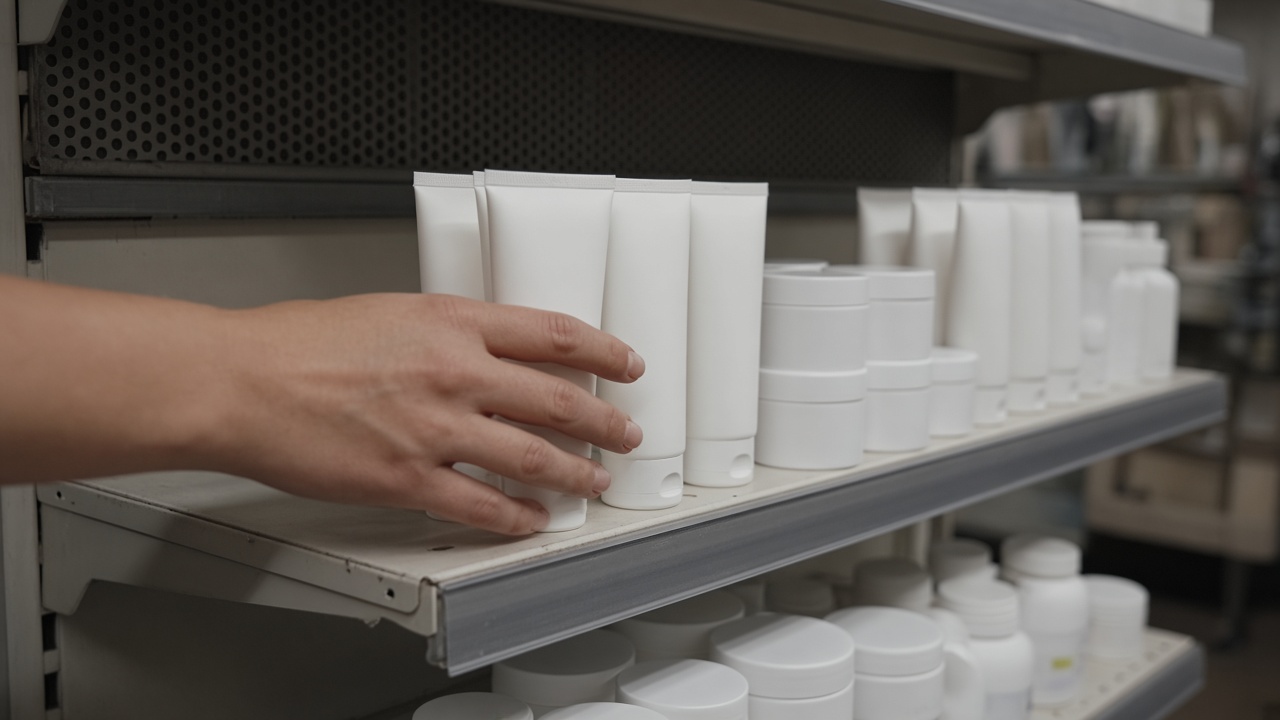
Sephora Australia is expanding barrier-cream assortments in Melbourne and Geelong stores before the usual October grass-pollen climb, adding mid-price ceramide and colloidal-oatmeal lines that staff pitch as companions to pharmacy antihistamines. The push lands as dermatology nurses report more patients arriving with irritated nasal creases and raw under-eye skin from constant tissue use—not from the pollen itself, but from the repair routines they layer on top.
What is in the bottle
Featured SKUs emphasize petrolatum-free and fragrance-free claims, with INCI lists led by ceramide NP, cholesterol, and fatty alcohols rather than retinoids. Sephora’s merchandising brief, shared with suppliers, asks for “pollen-season skin barrier” point-of-sale language that stops short of therapeutic claims. None of the expanded lines are listed on the Australian Register of Therapeutic Goods as medicines; they ship as cosmetics regulated for safety and ingredient disclosure, not for treating allergic rhinitis.
That distinction matters when shoppers assume a thick cream will “block pollen.” Cosmetics can reduce transepidermal water loss after rubbing; they do not seal airways. Pharmacists at two Melbourne chains said customers increasingly buy fexofenadine or loratadine alongside barrier products in the same trip, then ask whether the cream replaces prescription nasal steroids. The correct answer is no—barrier care is adjunct skin comfort, not rhinitis control.
Who sells the claim here
Sephora competes with Chemist Warehouse aisle endcaps and Mecca’s sensitive-skin edits. ACCC guidance still applies: before-and-after imagery and “clinical” charts on cosmetics must not imply TGA-level evidence. Sephora trainers told stores to steer staff scripts toward hydration and recovery wording. Brands supplying the expanded lines include both global derm-cosmetic labels and an Australian indie whose oat lipid serum cleared Sephora’s internal testing for stinging on eczematous panels—cosmetic safety data, not randomized hay-fever trials.
What TGA and ACCC allow
The TGA does not assess cosmetic barrier creams for efficacy against pollen exposure. If a product claims to treat eczema or dermatitis as a primary indication, it crosses into therapeutic goods territory. Sephora’s assortment stays on the cosmetic side, though nurses warn that occlusive layers over broken skin can trap sweat and worsen perioral irritation if worn under masks outdoors.
For hay-fever itself, evidence-backed steps remain intranasal corticosteroids when appropriate, non-sedating antihistamines, and allergen avoidance where practical. Barrier creams may help the cosmetic fallout—dry lips, cracked nostrils—when applied to intact skin and paired with gentle cleansing. Melbourne pollen counts from the Bureau and local counting stations still drive medication timing more than skincare launches.
Practical shopping notes
Read INCI for fragrance allergens if you already react to botanical extracts. Patch-test new ceramide products on the jaw before smearing near inflamed nostrils. Do not mix active acne treatments with heavy occlusives without a pharmacist’s read if you are already on prescription retinoids. Sephora’s expanded facing is retail timing aligned to pollen calendars, not a substitute for immunotherapy consults for severe rhinitis.
Stores roll the reset through mid-September so online pickup mirrors shelf depth before foot traffic spikes on high-count days. Shoppers chasing relief should budget for both the pharmacy line and the cosmetic aisle—and keep expectations separated: one treats allergy signaling, the other treats the skin that tissues abused all week.