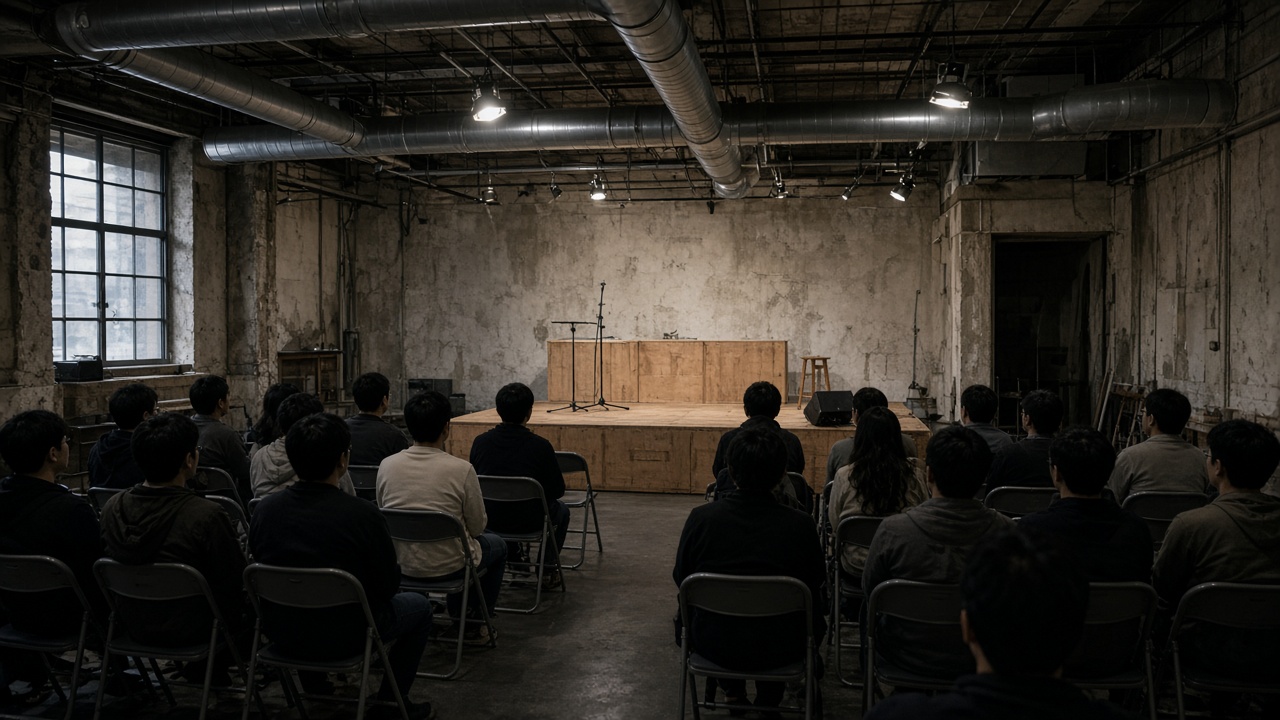
Taipei Fringe Festival organizers reported sellouts across four converted warehouse stages this week after a Ministry of Culture insurance pilot began covering short-term performance liability, unlocking industrial bays that had sat dark since fire-code disputes scared off underwriters.
Insurance as the bottleneck
Independent troupes historically rented Zhongzheng and Wanhua warehouses cheaply but struggled to buy event policies that satisfied landlords and the Taipei City Fire Bureau. Under the pilot, a government-backed pool insures audiences up to 300 seats per night when producers meet sprinkler checks, egress lighting tests, and certified stage electricians. Premiums run about NT$18,000 per weekend—roughly half what brokers quoted last spring—because the pool spreads risk across dozens of small festivals.
Festival director Mei-Ling Ho said three venues that canceled in 2025 returned this year, adding 1,400 seats across the run ending September 28. Tickets moved fastest for immersive dance in a former textile loft and a Mandarin-English clown show staged beside loading docks still marked with faded paint—details insurers now accept when producers document cordoned zones.
What audiences get
Programs skew experimental: single-act memoirs, puppetry for adults, and a capella groups testing surround sound without Broadway budgets. Warehouse acoustics remain imperfect—organizers hand out disposable earplugs and post decibel readings at exits—but audiences trade polish for proximity. Fringe rules cap runtimes at 75 minutes so crews can reset fire blankets between shows.
National Performing Arts Center staff trained volunteer ushers on evacuation paths through roll-up doors, a requirement the insurance pool added after a Kansai warehouse fire made headlines in trade press. Taipei Fringe kept ticket prices between NT$600 and NT$1,200, arguing affordable seats matter when Mid-Autumn tourists already face hotel surges.
What happens after the festival
The culture ministry will publish loss ratios in November; if claims stay low, the pool may extend to year-round rentals for student theater groups. Producers still carry equipment insurance separately—amplifiers and lighting rigs are not in the pilot. For now, sold-out warehouses mean more Taipei nights where audiences walk past real loading bays to watch performers who could not afford a proscenium arch, provided the paperwork finally matches the art.
Landlords and fire inspectors
Warehouse owners who joined the pilot had to install battery-backed exit signs and repaint loading-zone lines at their own expense, recouping costs through slightly higher rents over twelve-month leases. Fire Bureau inspectors conducted surprise walk-throughs on opening weekend; two venues received twenty-four-hour fix-it notices for blocked hose cabinets, delays that cut one evening’s capacity by a third but avoided full shutdowns.
Fringe veterans said the insurance pool’s real gift is predictability: underwriters now share a checklist producers can complete before booking, instead of declining coverage without explanation. That clarity alone brought back a puppet collective that had toured in parking garages without audience seating last year.