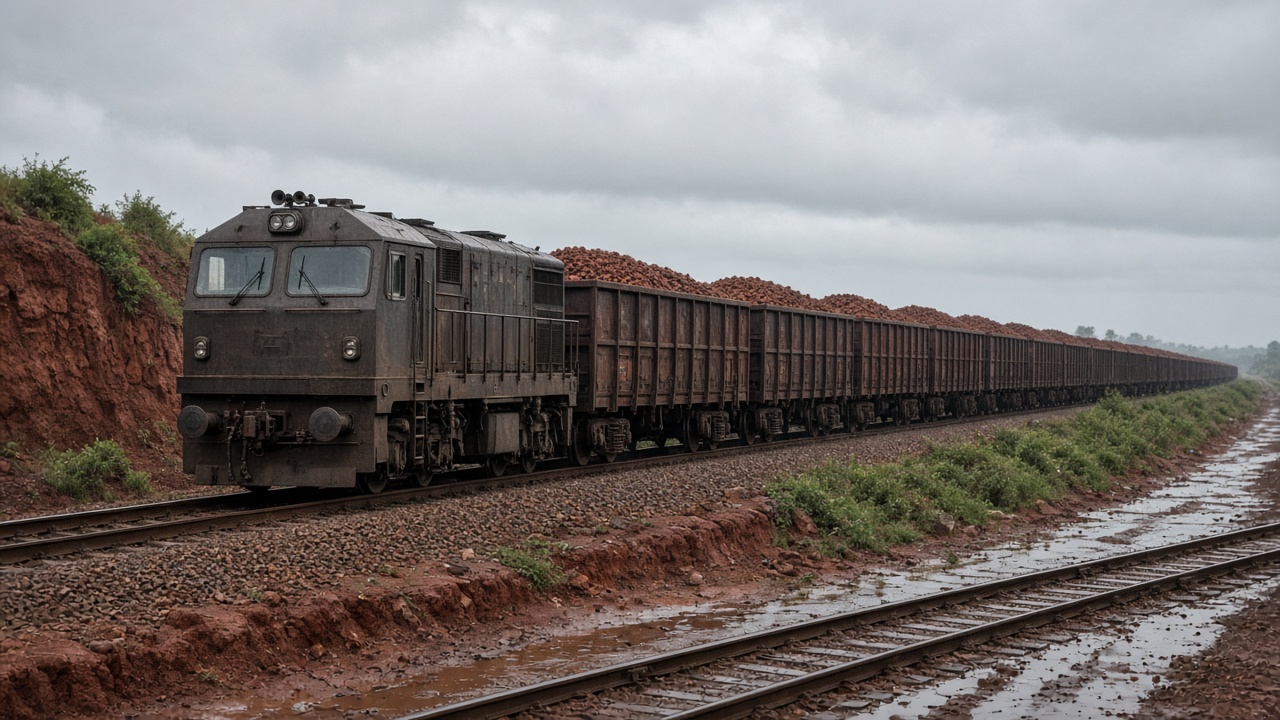
Tata Steel’s Odisha logistics teams moved a slice of pellet consignments onto diesel locomotives this week after monsoon waterlogging and scheduled track renewals on the East Coast Railway corridor blocked electric paths between Jajpur and Kalinganagar. The shift keeps blast-furnace feed arriving, but contractors say each diverted rake adds freight cost and turnaround time that shows up in quarterly logistics lines before it hits steel prices.
What workers heard on the ground
At the Brahmani River Pellets siding near Jajpur, loading contractors reported two overnight rakes dispatched behind diesel units when overhead equipment sections near Cuttack were flagged for maintenance. Pellet stacks that normally ride electric traction to Kalinganagar instead took a detour through Barbil-facing loops, then hooked to diesel at Talcher Road, according to two logistics supervisors who asked not to be named because they are not authorised to speak to reporters.
Kavya Iyer’s reporting spine is what the contractor heard: unionised wagon cleaners at Kalinganagar said they saw heavier dust on pellet wagons arriving mid-morning, a tell that diesel haulage through open cuts picked up moisture after heavy rain. Fitters noted no quality rejection at the plant gate—Tata’s internal specs still cleared the material—but extra handling at an intermediate siding added six hours to a run that usually clears in fourteen.
Why monsoon rail bites here
Odisha’s iron-ore belt enters September with mines and rail lines still recovering from weeks of intense rainfall. Market data providers flagged tight pellet offers in Barbil through August, with 62.5% Fe material quoted loaded-to-wagon near ₹8,600–8,700 a tonne as dispatch disruptions pushed buyers into auctions. Tata’s integrated chain—beneficiation at Barbil, slurry pipeline to Jajpur, pellet plant, then rail to Kalinganagar—depends on continuous movement; any break forces plant managers to tap stockpiles or pay for alternate traction.
The company’s public filings describe more than 60 million tonnes of raw material planned annually across its Indian footprint, with rail turnaround optimisation listed as a priority. Acquiring majority control of merchant pellet capacity near Kalinganagar was meant to shorten the path from mine to furnace; monsoon rail closures test that thesis every year.
Where the leverage sits
Contractors hold short-term leverage when diesel paths are the only option: Indian Railways charges and path allocation for diesel units during maintenance windows are negotiated line-by-line, and steelmakers compete with coal and fertiliser rakes for the same slots. Tata’s scale helps—it can swap rakes from its private sidings—but smaller sponge-iron units in Rourkela told Iyer they simply curtailed production when pellets stopped moving.
A strike on the Barbil-Jajpur road belt would bite harder, but none was called this week. The union question is indirect: permanent Tata Steel employees at Kalinganagar are not the ones loading wagons; contractor firms hire daily-wage teams whose pay is tied to rake turnaround. Slower diesel loops mean fewer completed shifts and lower take-home cash—a grievance that plant HR hears through subcontractor channels even when no formal dispute is filed.
What a stoppage would change this quarter
If electric paths reopen on schedule, diesel premiums should roll off logistics cost lines within two weeks. If waterlogging persists through Navratri, Tata may draw more on in-plant pellet inventory at Kalinganagar’s 6.4 MTPA unit and delay merchant sales from Jajpur. Iyer’s falsification test: watch East Coast Railway’s monsoon bulletin—when Talcher-Kendrapara sections show green status for three consecutive days, diesel dispatch logs at Jajpur should fall back to baseline.
Downstream, sponge-iron and billet prices in Rourkela remained soft in August market snapshots, meaning Tata’s cost pressure is not yet passing through to long-product tags. Export billet arbitrage could change that if domestic pellet tightness extends into October.
Mechanism, not advice
This is a labour-and-logistics report inside a steel major’s supply chain, not a trading recommendation. The story is diesel locomotives as a monsoon workaround, contractors absorbing delay, and blast furnaces that cannot pause for rain. Until the overhead wires dry out, Kalinganagar keeps accepting pellets with a freight surcharge baked into decisions made far from the furnace floor.