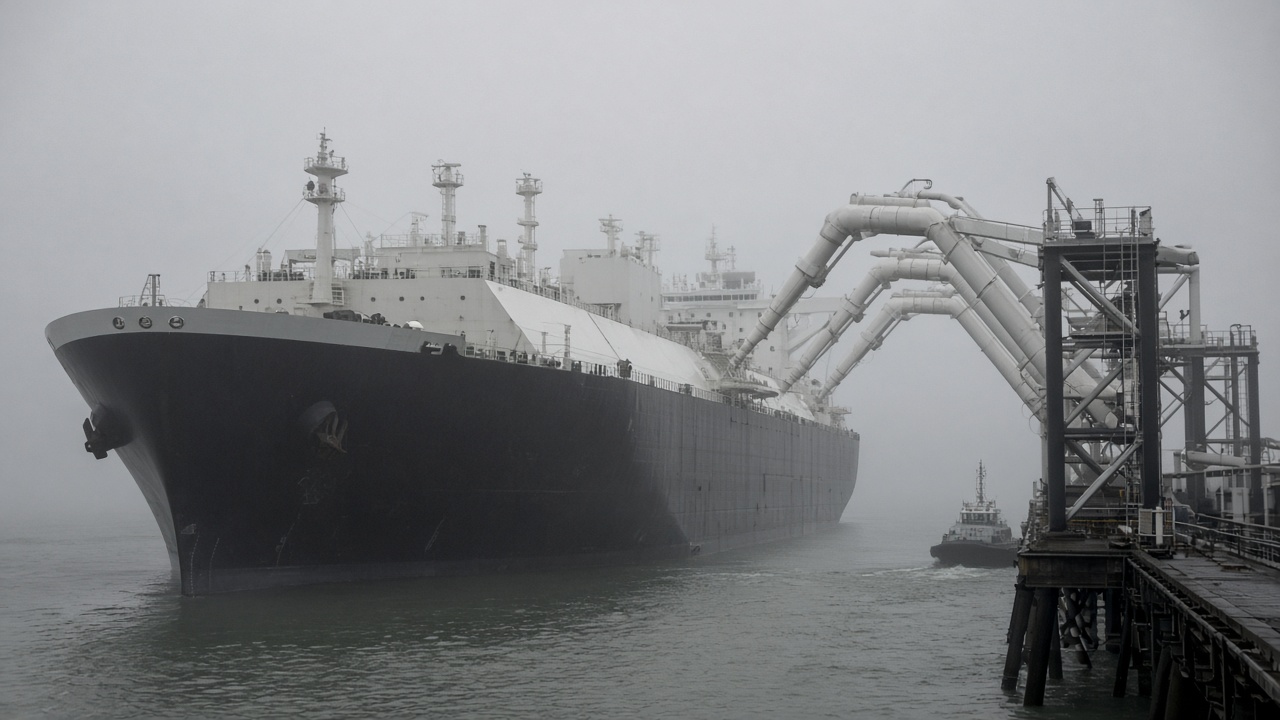
Woodside Energy shares climbed in Sydney trade as traders priced in more spot sales of liquefied natural gas into North Asia, where utilities are bidding aggressively for late-year cargoes even though benchmark Japan-Korea marker prices have swung between surplus-driven lows and brief weather spikes.
Who moved on the tape
Woodside outperformed broader energy peers on the ASX after shipping desks rerouted portfolio molecules toward open tenders in Japan, South Korea and China, according to brokers tracking ex-North West Shelf volumes. The move capitalises on record spot liquidity: S&P Global data show Asian LNG market-on-close activity for 2025 deliveries hit unprecedented bid-offer counts, with a rising share linked directly to JKM rather than oil-indexed formulas.
Australian dollar softness added a tailwind for USD-priced cargoes repatriated into Perth headquarters, while the Aussie ten-year yield drifted lower, supporting dividend-sensitive holders. Tess Harlow's desk watchlist flagged Woodside versus Santos as the pair most sensitive to North Asia utility bids this quarter.
Why utilities are bidding now
Japanese power-sector inventories rose modestly into late 2025, yet buyers still sought optional cargoes to hedge against LNG carrier tightness when US export terminals ran at records. JOGMEC commentary noted JKM slipping toward the USD 9 per million British thermal units range amid ample supply, then firming when spreads to European TTF widened—exactly the window traders said Woodside exploited by offering DES cargoes into utility RFPs.
Woodside's longer-term winter deal with JERA, covering about 200,000 tonnes annually each December–February from 2027, does not replace near-term spot optionality; instead it signals Japanese buyers want flexibility layered on top of legacy oil-linked contracts. Chief commercial officer Mark Abbotsford has pitched Scarborough startup volumes as additional portfolio ballast, with first cargo targeted for the second half of 2026.
Portfolio mechanics
Rerouting cargoes is not as simple as turning a valve: optimisation teams must respect offtake commitments with foundation customers, shipping schedules through the Strait of Malacca, and maintenance at Pluto and North West Shelf trains. Woodside can swap FOB obligations into DES deliveries when spot netbacks beat formula prices, a lever it used more frequently as US Gulf supply crowded the Pacific.
Spot sales also interact with domestic gas politics. Canberra watches export parity closely; additional spot liftings can draw questions about east-coast supply, even when molecules originate from Western Australia fields with separate market dynamics.
Risks that could unwind the trade
A sustained JKM collapse would make rerouted cargoes look less clever by Friday if utilities pause tenders. Conversely, an early cold snap in northeast Asia could spike freight and squeeze available carriers, raising demurrage costs that eat spot margins. FX reversals—particularly a stronger Aussie dollar—would hit ASX holders even if LNG prices hold.
Investors also weigh Scarborough execution risk; any slippage on train commissioning would reduce the portfolio slack Woodside is currently monetising through spot channels.
Macro cross-currents
China's LNG import appetite remains uneven: S&P Global trade data show more MOC activity priced to China than Japan on some weeks, pulling Australian portfolio molecules into competitive tenders against US Gulf cargoes. When JKM dips toward single-digit dollars per million British thermal units, Woodside's equity story depends on volume flexibility rather than price—exactly why spot rerouting headlines resonate on the ASX even when oil-linked contracts look sleepy.
Currency traders note the Aussie dollar's correlation with iron ore still influences energy multiples; a China steel slowdown could hit Woodside sentiment independent of LNG fundamentals. Dividend funds, however, continue to treat Woodside as a cash-return anchor, cushioning drawdowns when spot volatility spikes.
What to watch in Sydney hours
Volume on Woodside will track weekly JKM prints and any disclosure of cargo diversions in operator reports. If North Asia utilities keep bidding despite soft macro demand, the stock's spot optionality premium may persist through September; if bids fade, today's rerouting headline becomes a one-week story unless dividends backstop the tape. Options markets price modest upside skew into October, suggesting desks expect at least one more utility tender window before northern winter peaks.