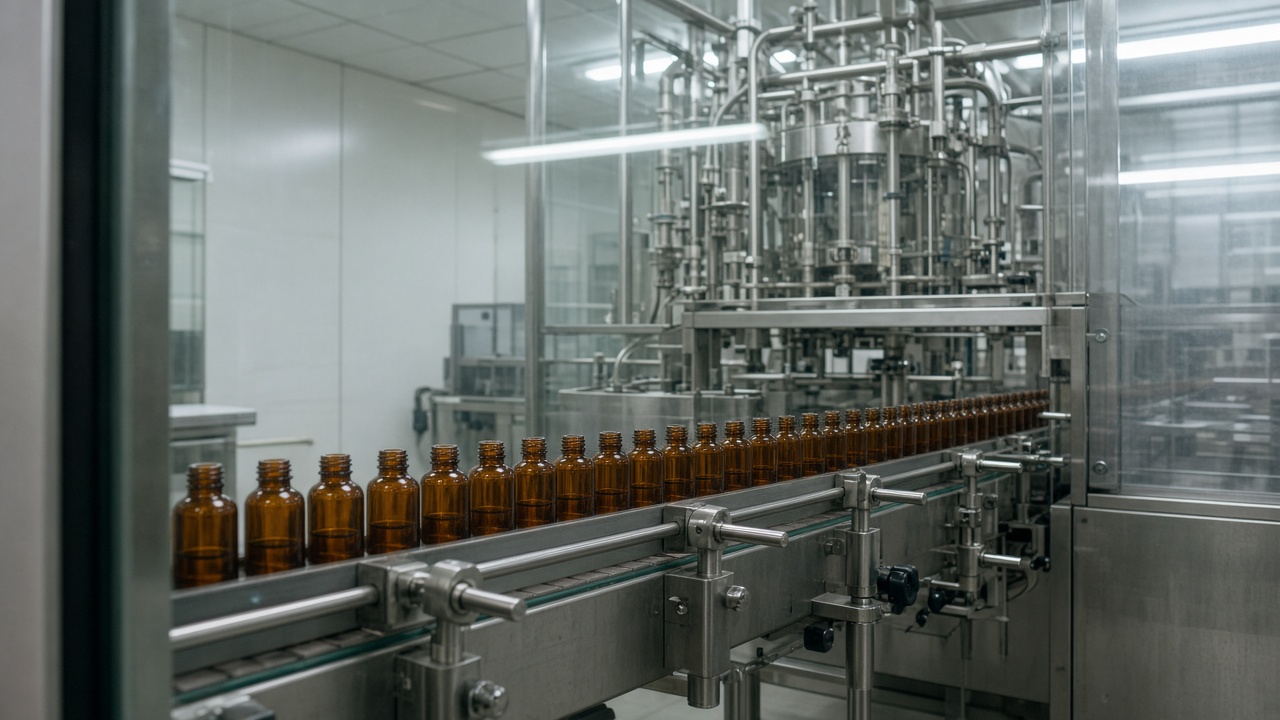
Yakult Honsha is consolidating bottling shifts at its Shonan cosmetics factory in Fujisawa after label converters cut deliveries of shrink-sleeve film, forcing planners to slow SKU changeovers on the Beautiens line that supplies Parabio and Lactoew lotions to domestic department stores.
What workers were told
Plant managers informed day and night crews in a September town hall that two parallel bottling teams would rotate through a single extended shift block until label inventory stabilizes, according to employees present. Overtime on packaging robots nicknamed Taro and Hanako will be capped so maintenance windows stay fixed—a trade unions at the Kanagawa site had requested after last year's summer peak.
The message to the floor differed from investor-facing language. Yakult's group filings still describe cosmetics as a steady margin contributor behind the core probiotic drink business, without line-level detail on Fujisawa. Shop stewards said the label squeeze is material to take-home pay because night premiums had been a reliable top-up when drink bottling plants elsewhere ran flat out.
Why labels matter here
The Fujisawa site has produced Yakult Beautiens since cosmetics production moved from Ichikawa in 1971; public tours describe one daily SKU focus with glass partitions separating bottling from packaging to keep paper fibres out of fill rooms. Shrink-sleeve labels on curved bottles require precise heat tunnels; when film lots fail QC, entire shifts revert to manual inspection.
Suppliers cited resin allocation for food-grade PET as the bottleneck, prioritising beverage clients ahead of smaller cosmetics orders. Yakult procurement asked for dual sourcing on film printed in muted gold and white—the palette Beautiens uses on premium SKUs—but converters said secondary presses would not free capacity until October.
Strategy as headcount
Consolidating shifts is less a demand collapse than a labour reallocation. Drink bottling at other Yakult plants continues on normal rosters; Fujisawa's cosmetic volumes are smaller but higher unit value, so missing a department-store launch window hurts margin more than a missed truck of school-lunch Yakult bottles.
Marketing teams postponed a limited Parabio set tied to autumn humidity campaigns because labels would not arrive in time; e-commerce fulfilment will ship plain-batch inventory with insert cards instead—a workaround plant quality teams approved under accelerated stability checks.
Investors versus the shop floor
Equity analysts covering Yakult rarely model label film at the SKU level, yet the Fujisawa bottleneck illustrates how packaging constraints can hit branded cosmetics faster than fermented milk lines with simpler sleeves. Any slip in Beautiens revenue would show up inside the food and beverages segment rather than a standalone disclosure, which is why employees hear specifics while shareholders hear category growth.
Competitors in Japanese derma cosmetics have invested in in-house label printing; Yakult's tour narrative still emphasises robot packaging efficiency, not vertical integration on film. Whether this episode triggers capital spending on a mini press at Fujisawa is an open question plant directors raised with Tokyo procurement.
What the plant does next
Schedulers will run a three-week trial of combined shifts while tracking changeover minutes per SKU. If label deliveries normalize, crews revert to dual shifts before Silver Week holidays, when tour bookings peak and the factory pauses public visits during deep cleans.
Until then, visitors on the 90-minute Shonan tour may see fewer active bottling moments—the site warns production may be idle on reservation pages. For Fujisawa workers, the fight is not strategy decks but rolls of film arriving on time; James Hart's lens stays on that gap between what headquarters announces and what the bottling hall hears at 6 a.m.
Local ripple
Fujisawa city officials said they had not received layoff notices; consolidated shifts imply lower total hours rather than redundancies. Commuter trains on the Odakyu line still carry night-shift workers who now share lockers on one roster, a small but visible sign that Japan's smallest iconic bottle brand depends on the same packaging supply chain as giants several times its size.
Supplier checkpoints
Procurement teams expect a late-September audit at the label converter's Kanto plant; passing would restore dual-shift scheduling before October store sets ship. Failure would extend consolidated crews through November, when drink bottlers typically peak on probiotic shipments for winter immunity marketing—a scheduling clash plant directors said they are already mapping in weekly ops calls.