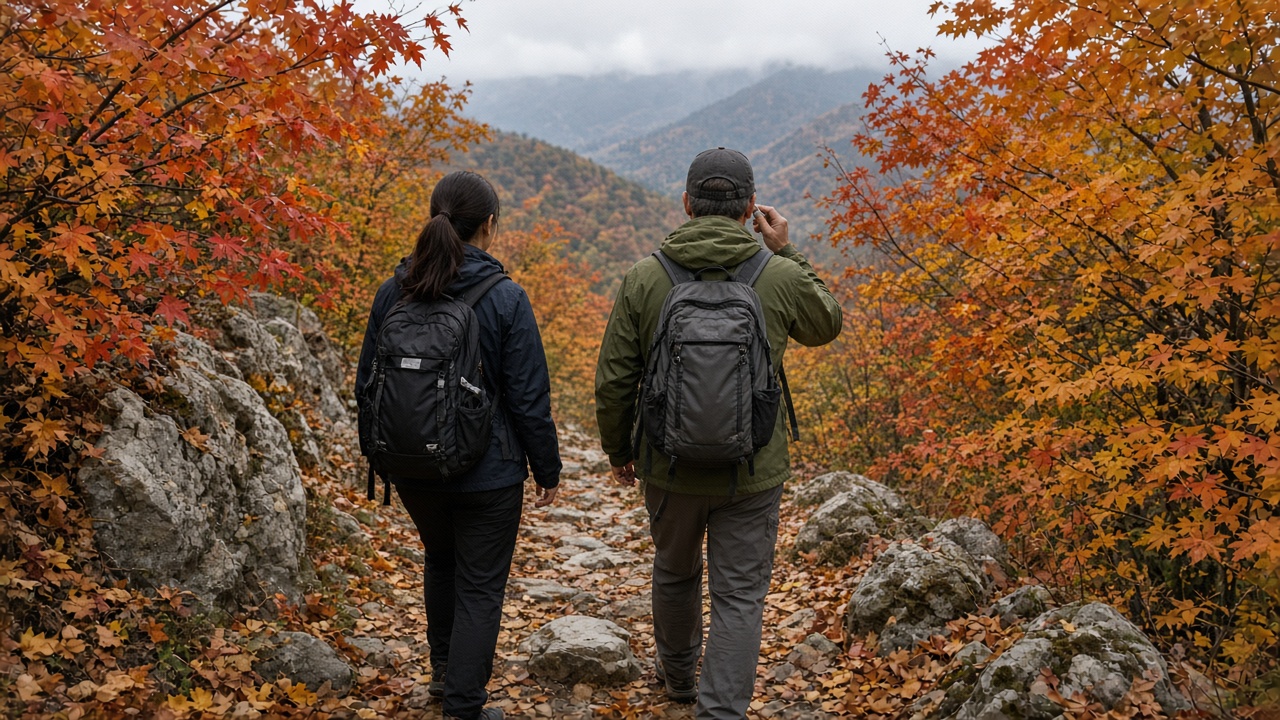
Amorepacific said it placed pocket SPF balm sticks at selected convenience stores near Seoraksan National Park trailheads, pitching the format to autumn hikers who underestimate UV on cloudy ridge days. The launch is seasonal merchandising, not a new active ingredient—formulas use filters already on Korea’s Ministry of Food and Drug Safety functional cosmetics register—but the company published in-house arm exposure data from September treks to justify the display timing.
What is in the stick
INCI lists for the trekker SKU highlight bis-ethylhexyloxyphenol methoxyphenyl triazine and diethylamino hydroxybenzoyl hexyl benzoate alongside silicones that keep the balm solid above 10 degrees Celsius—important when hikers start at dawn near Sokcho and warm up on exposed granite. SPF 50+ and PA++++ labels follow MFDS rules for functional “sunscreen” claims; Amorepacific did not seek a new approval, it repackaged an existing Laneige-branded stick with trail-themed sleeves.
Daeun Hwang’s bottle check: sticks trade precise dose for convenience. MFDS still expects users to apply enough to cover two finger lengths for the face; a single swipe under-tests protection. Amorepacific’s trail signage tells buyers to double-pass ears and neck, where dermatology clinics see autumn burns when hats come off for photos.
Who sold the claim
Retail partners include GS25 and CU outlets at Seoraksan bus stops, paying end-cap fees before peak foliage weekends. National park authorities do not endorse brands, but rangers allowed educational posters about UV index on cloudy days if logos stay off ranger kiosks—a compromise after a heat-stroke summer pushed more sun-safety messaging at high-elevation parks.
Amorepacific’s published “autumn sun test” compared forearm exposure on Ulsanbawi ridge versus Sokcho beach; ridge readings stayed within 80 percent of beach UV on hazy afternoons. That is company data, not peer-reviewed, but it matches Korea Meteorological Administration guidance that scattered cloud can raise diffuse UV—not an excuse to skip protection on a “grey” hike.
Seoraksan logistics
Shuttle buses from Sokcho fill before 7 a.m. on holiday Sundays; sticks sit next to electrolyte drinks and knee braces impulse racks target. Trekkers on multi-day routes through Daecheongbong need TSA-sized sticks because pump bottles leak in sideways packs. Amorepacific priced sticks at 18,000–22,000 won, competitive with Olive Young travel minis stocked in Gangneung malls.
Limits MFDS cares about
Functional cosmetics cannot claim cancer prevention; copy sticks to “helps block UV rays” language lawyers cleared. Reef-safe marketing is absent—Korean regulators do not require Hawaii-style oxybenzone bans, but Amorepacific removed some older filters from this SKU for domestic consistency. Returns follow convenience-store rules; opened sticks are non-refundable, pushing testers to buy minis in city stores before the climb.
Takeaway for trekkers
The product is a format play for a park that sees more boots in October than July. Amorepacific wins shelf space at the last mile before ascent; hikers still need hats and timed reapplication on eight-hour ridges. If the stick lives in a jacket pocket instead of the bottom of a pack, the company considers the Seoraksan test a success—even when the sky looks like rain.