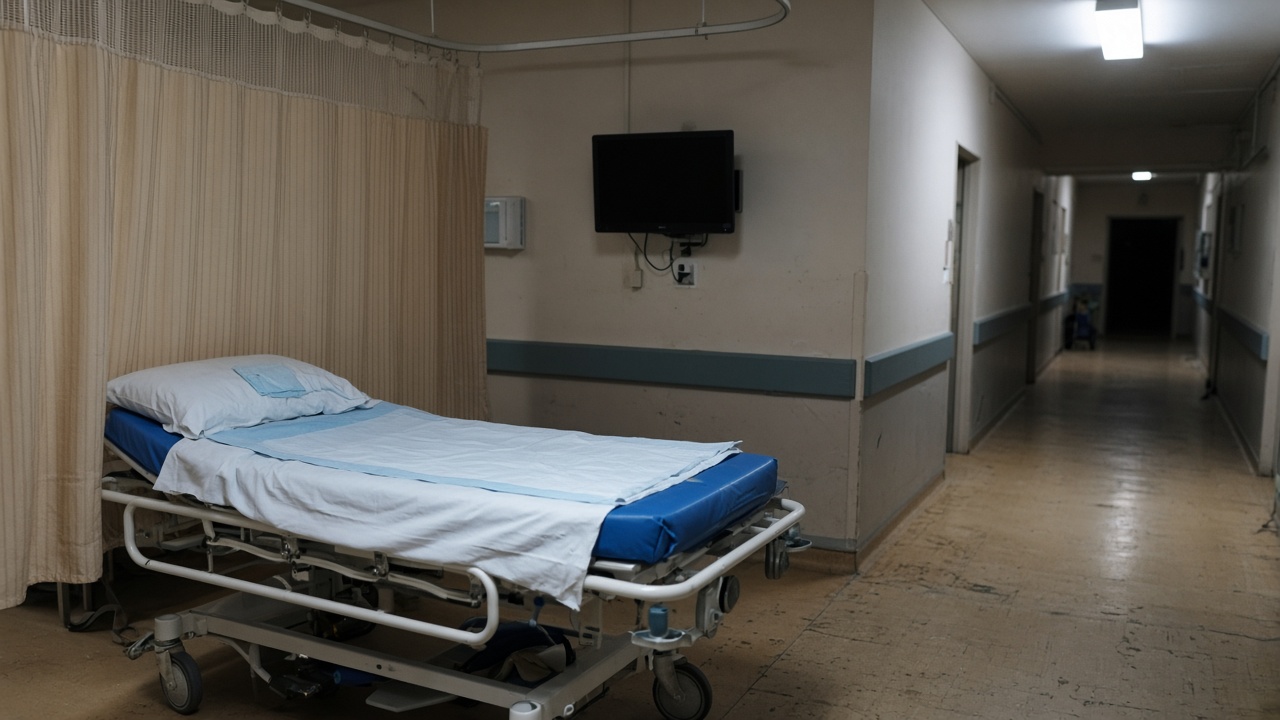
Asan Medical Center in Seoul said it added evening gastrointestinal endoscopy blocks through October after a post-Chuseok surge in reflux, gastritis, and suspected peptic symptoms pushed routine referral waits past ten days. The hospital is not expanding overall capacity permanently; it is shifting nurses and scope teams into 6 p.m.–10 p.m. lanes so urgent cases do not sit behind elective screening colonoscopies booked months ago.
What the numbers look like
Hospital spokespeople told reporters that first-visit gastroenterology consults rose roughly 18 percent in the week after the holiday compared with the same window in 2025, with most patients reporting heavy jeon and galbi meals, late-night alcohol, and skipped medications. That is anecdotal triage data, not a population study, but it matches what community clinics in Songpa and Gangnam reported to Health Insurance Review and Assessment Service hotlines. HIRA does not publish daily endoscopy counts, yet its fee schedules still cap how many insured procedures a single center can bill per month without audit flags—Asan said it cleared the added blocks with its internal utilization review board rather than seeking a one-off waiver.
For patients, the practical change is calendar, not copay. National Health Insurance still covers diagnostic upper endoscopy when a physician documents alarm features—weight loss, anemia, persistent vomiting, or dysphagia—at the usual 20–30 percent patient share depending on clinic tier. Pure dyspepsia after a big meal may still land in the two-week pill trial pathway primary-care guidelines recommend before scope.
Who gets the evening chair
Evening slots are reserved for referrals flagged by Asan-affiliated primary clinics and for emergency-department discharges needing confirmation of bleeding sources. Screening colonoscopy patients who already paid deposits keep their morning appointments; the hospital asked them not to swap into night blocks to chase faster prep instructions. Sedation staffing is the bottleneck: each bay needs an anesthesiology nurse on call, and the expanded shifts pull from the same pool that covers obstetric epidurals overnight.
Eunji Shin’s read on the waiting room: absolute risk still favors lifestyle reset for uncomplicated heartburn. Endoscopy finds erosive esophagitis in a minority of holiday eaters; most improve with proton-pump inhibitors and portion control. The hospital’s message is triage discipline—scopes for people who might bleed or obstruct, not for everyone who overate rice cake soup.
What primary care should send
Asan published a one-page referral checklist Friday: document hemoglobin, prior Helicobacter pylori treatment, and NSAID use. Patients on anticoagulants after stents need bridging plans; evening blocks will not accept walk-ins without completed labs. Community health posts in Seoul urged residents to use tele-triage lines before driving to Songpa, because parking at the main tower already queues past the new endoscopy wing.
Limits after the holiday window
The evening program sunsets Oct. 31 unless consult volume stays elevated. Hospital planners modeled demand using three prior Chuseok rebounds; if referrals normalize, scopes return to daytime only and locum nurses rotate back to outpatient infusion. That matters for insured patients counting on predictable sick leave—night sedation still requires a companion and six hours off work the next morning under recovery guidelines the Korean Society of Gastroenterology circulated last year.
For now, the policy is a capacity shuffle, not a new screening campaign. Asan is telling the public to treat holiday gluttony with primary care first, and to treat red-flag symptoms as same-week scope—not as an excuse to skip the waiting list with a food coma story.