NorthReach Neuro Imaging Pty Ltd closed a $3.2 million seed round led by Brisbane angels and a regional hospital foundation, funding portable perfusion imaging kits aimed at rural telestroke hubs that today fly patients hours to coastal CT scanners.
Round structure and ownership
ASIC filings show the seed priced with a 15 percent option pool refresh and two board observer seats for hospital foundation investors who will not vote on day-to-day hires. Founders retained majority voting control but accepted milestone-based tranche releases tied to TGA documentation milestones and field trials at two Queensland Hospital and Health Service sites.
Lead investor Fairlight Med Angels declined to disclose pre-money valuation; co-investors included former radiology executives from Mater Health and a family office with cattle-station telehealth history. The round did not include institutional VC from Sydney or Melbourne, a deliberate choice founders said keeps pilot sites in Queensland rather than shifting R&D to larger markets.
What the kits ship
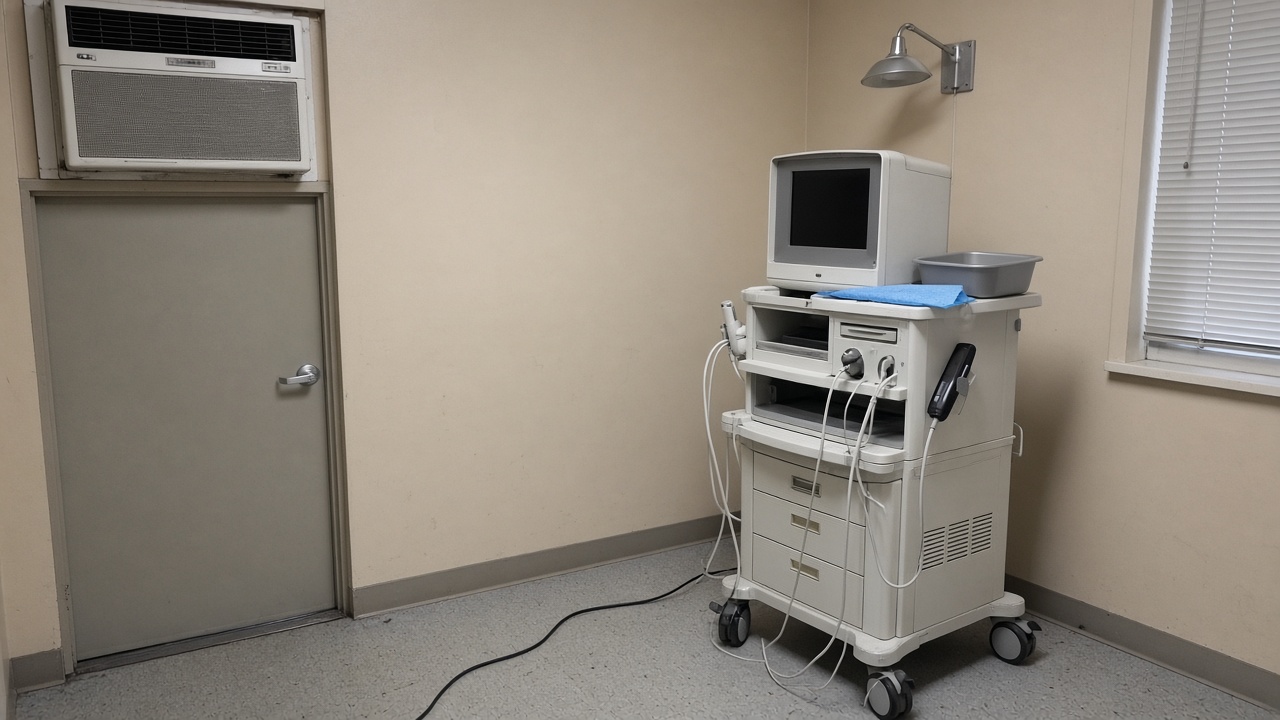
NorthReach’s hardware bundles a lightweight perfusion-capable imaging head, satellite and LTE failover routers, and a hardened edge box that preprocesses slices before uplink to urban neurologists. Software emphasizes stroke-time clocks: automatic ASPECTS scoring drafts for remote specialists, with audit logs aligned to Queensland Health telehealth consent templates.
The company is not selling full CT replacements for tertiary hospitals. It targets multipurpose rooms in rural multipurpose health services where installing fixed CT suites failed business cases. Kits mount on wheeled frames so staff can stow them when cyclone season floods lower levels.
Clinical and regulatory path
TGA class rules for imaging accessories mean NorthReach must document electromagnetic compatibility in hot, dusty clinics—not just air-conditioned labs. Seed proceeds fund biocompatibility testing and usability studies with rural nurses who will operate kits without on-site radiographers every shift.
Queensland Health observers want proof that perfusion protocols match Royal Brisbane and Women’s Hospital standards before expanding beyond pilots. Telestroke networks already struggle with false positives when CTAs are unavailable; NorthReach must show its edge preprocessing cuts upload sizes without hiding subtle hypodensities.
Market and failure modes
If the raise had failed, founders planned to license preprocessing software to existing mobile CT vendors—a fallback that would have diluted the rural-first story. Competitors in the US telestroke market sell cloud-only viewers; NorthReach bets Australian bandwidth realities require edge compression and store-and-forward when NBN satellite links jitter.
Reimbursement remains uncertain. Medicare billing for telestroke consults exists, but portable perfusion kits do not yet have distinct item numbers. Hospital foundations invested anyway, citing reduced aeromedical retrieval costs when clinicians can rule out large-vessel occlusions locally.
Board and hiring plans
NorthReach will hire eight engineers in Brisbane’s Herston health precinct and two field service staff based in Townsville to reach Cape York pilots without flying technicians from Sydney. Observer directors from hospital foundations will join quality committees reviewing adverse event reporting templates before kits leave warehouses.
Founders said they will publish aggregated trial metrics—door-to-needle proxies, upload success rates—after TGA submissions, not before, to avoid skewing clinician behavior during studies.
What happens if pilots slip
Tranche two funding locks if TGA documentation slips beyond March 2027; investors negotiated that clause after seeing other medtech seeds burn cash on open-ended regulatory rewrites. For rural towns, success means a wheeled kit in a room that previously only had a phone line to Brisbane neurology—owned by a Brisbane company that still answers to Queensland board observers when budgets tighten.
Charters Towers regional health staff said they will host the first non-metropolitan demo day in October, inviting neighboring shires to watch uplink tests over both fibre and satellite backup paths.
Warranty terms cover dust ingress and generator voltage sag common on cattle-station airstrips where kits may deploy during fly-in neurology weeks; founders priced support contracts separately so hospital budgets can cap annual field visits.
Seed investors receive quarterly cap-table updates through the ASIC-regulated portal NorthReach uses, a transparency habit Olivia Tan’s startup sources said smaller medtech rounds increasingly demand after failed 2024 telehealth listings.