Chunghwa Telecom Co. scheduled a standalone 5G core software upgrade for dedicated slices serving Kaohsiung port's container logistics belt, with a maintenance cutover window after Mid-Autumn and phased radio tuning along berths 67 through 72, according to engineering notices shared with enterprise customers and reviewed by InfoHandle. The project does not replace public macro coverage for phones; it hardens industrial telemetry—crane load sensors, yard cameras, and autonomous guided tractors—that today ride LTE customer-premises equipment with asymmetric uplink.
What standalone 5G changes on the pier
Non-standalone 5G anchors to LTE cores; standalone (SA) lets operators provision slices with guaranteed latency and separate billing without sharing scheduler queues with tourists streaming video at ferry terminals. Chunghwa's plan maps three slices: one for Taiwan International Ports Corporation safety systems, one for terminal operators' inventory scanners, and a sandbox for startups testing computer-vision pallet readers.
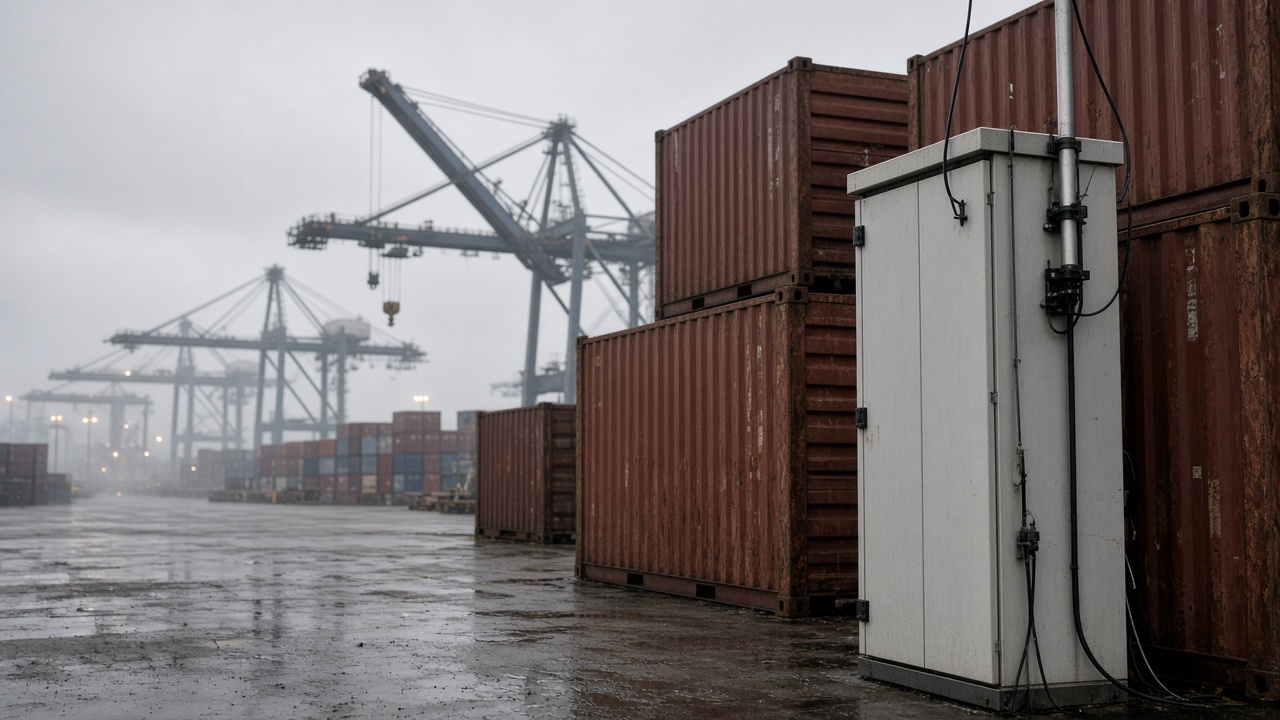
Field teams will install additional small cells on lamp posts inside the bonded yard where steel structures block macros on Qijin Island approaches. Fiber backhaul already exists along the west pier; the capex is core licensing and edge user-plane functions hosted in Chunghwa's southern data hall.
Why the port pushed now
Export volumes through Kaohsiung rebounded with machinery and auto parts, but dwell-time KPIs still matter to shippers comparing Busan and Singapore. Port executives told logistics forums that camera gaps between stacks delayed fraud investigations when seal numbers did not match manifest scans. Wired fiber to every stack row is prohibitively expensive; wireless with SLA-backed uplink is the compromise.
Customs and coast guard units participate in the pilot read-only feeds from slice two; they are not on the public internet. MODA's industrial 5G showcase programs referenced Kaohsiung in budget testimony this year, though this upgrade is carrier-funded with port co-location fees rather than a full government grant.
Inside Chunghwa's program office
Enterprise ARPU for port accounts is small versus consumer mobile, but reference value is high when pitching Taichung wind-turbine assembly yards and Tainan petrochemical plants. Engineers copied radio parameter templates from Taoyuan aerotropolis trials, then hardened them for salt fog and crane-swing multipath.
Maintenance windows will failover voice-priority traffic to LTE where dual-connectivity modems are installed; older AGVs without 5G radios keep LTE until lease renewals.
What tenants will notice
Terminal operators must swap SIM profiles or CPE firmware before the cutover; Chunghwa scheduled onsite techs for two weekends to avoid weekday vessel peaks. Downtime targets stay under thirty minutes per berth group; if exceeded, service credits apply per enterprise contracts signed in 2025.
Latency tests published internally aim for sub-fifteen milliseconds round trip between yard edge servers and the core user plane—enough for remote crane assist demos, though fully remote operation remains banned by port safety rules.
Competition and spectrum
Far EasTone and Taiwan Mobile operate macros visible from the harbor, but Chunghwa holds the largest licensed spectrum portfolio for mid-band urban cells and historic fiber ducts into the port authority building. Rivals can still sell private 5G to individual warehouses; this project is the shared waterfront slice.
NCC reporting for SA cores requires updated disaster failover documentation; Chunghwa filed supplemental earthquake reroute plans after April drills showed LTE backup paths saturated faster than expected.
Bottlenecks after go-live
Edge GPU boxes for vision analytics are not included—tenants bring their own compute. Chunghwa sells a managed MEC rack option, but most pilots use on-prem servers with slice-isolated VLANs. Power stability during typhoons remains the practical limiter; UPS budgets at the port authority exceed carrier radio spend.
Next quarter
If KPIs hit, Chunghwa may extend SA slicing to mailiao-bound barge feeders tracked from Donggang. For Kaohsiung, the story is mundane infrastructure with a sharp edge: cranes and cameras get a network that behaves like fiber without trenching every lane. Phones at the night market still use the macro network—and that is fine, because the pier's problem was never download speed; it was uplink contention when every container move generates another photo.
Stevedoring unions asked whether telemetry would feed performance scorecards; Chunghwa and the port authority signed a side letter limiting automated disciplinary triggers pending a labor-management review in October. Cybersecurity auditors from the finance ministry will pen-test slice gateways before customs feeds go live.
Equipment vendors at a Kaohsiung maritime expo said inquiries for 5G-ready rugged tablets doubled year on year, a downstream signal that waterfront IT budgets are moving from Wi-Fi replays to carrier SLAs. Chunghwa's stock price barely reacted; investors treat port SA cores as enterprise backlog, not a consumer ARPU event.