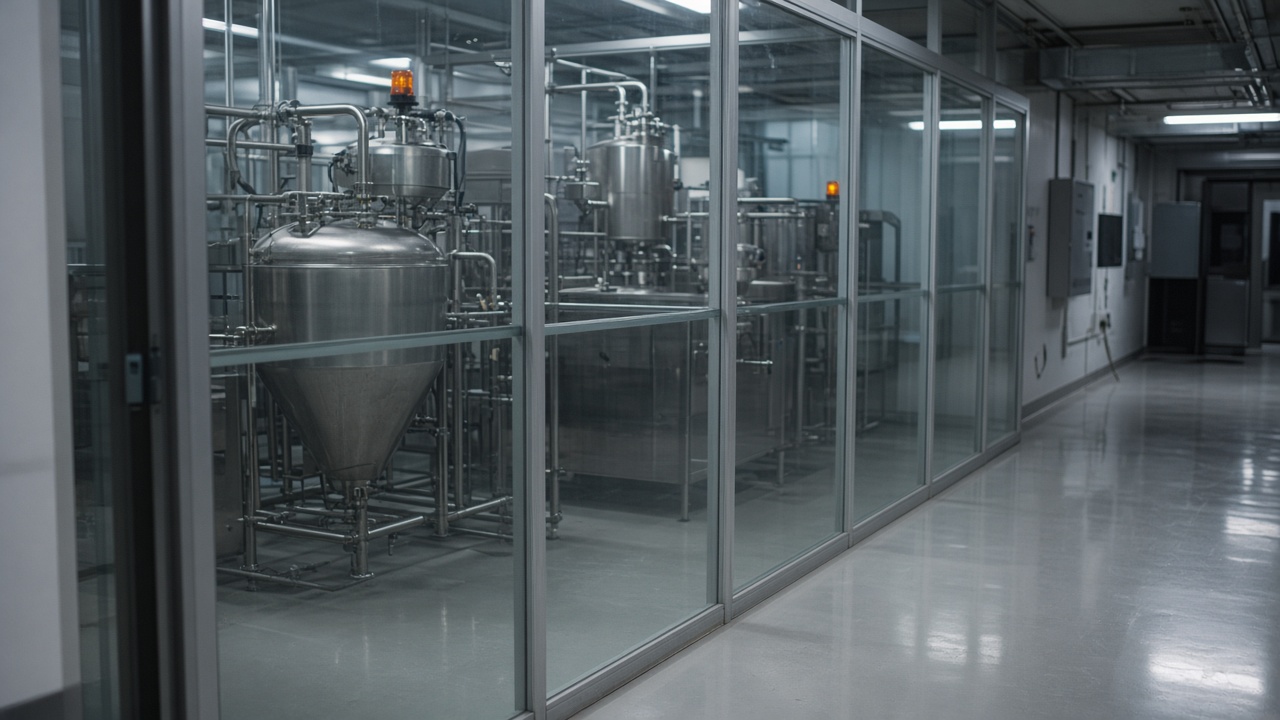
Daiichi Sankyo Co. has advanced a manufacturing slot for oral obesity medicines at its Odawara API campus, repurposing floor space after abandoning ADC expansion there while group affiliates negotiate Japan sales of oral semaglutide generics with Korean partner Samchundang Pharmaceutical.
Who moved on the tape
Shares traded flat in Tokyo while mid-cap generic peers rallied on obesity headlines, reflecting investor view that Odawara output remains pre-revenue. Options flow was thin; the story is capacity allocation inside supply-chain subsidiaries, not a Friday earnings catalyst.
Brokers noted Daiichi Sankyo’s market narrative is still dominated by Enhertu and Datroway ADC sales forecasts in the FY2026 presentation—obesity exposure enters through minority-linked Espha routes rather than consolidated guidance, which keeps Odawara pilot capex off headline slides unless management comments on second-engine growth after 2025.
The mechanism
Fierce Pharma reported Daiichi took a 19.3-billion-yen impairment after discontinuing planned ADC equipment at Odawara while paying contract manufacturers for antibody-drug conjugates—a supply-chain redesign that freed building volume and utilities headroom. Plant managers now schedule oral solid-dose encapsulation trials on lines adjacent to legacy loxoprofen and olmesartan API halls integrated when DSPP and DSCP Odawara merged in 2013.
Samchundang’s January disclosure with Daiichi Sankyo Espha covers eight oral semaglutide products—five Wegovy pill strengths and three Rybelsus doses—with conditional termination if PMDA paths fail. Samchundang said manufacturing could span Korea and other sites; Daiichi’s Odawara slot positions the group for domestic backup if import or partner supply wobbles, even before 2032 compound patent expiry windows cited in partner materials.
What the street already had
Consensus models obesity adjacency through Canalia diabetes history and Espha distribution via QoL Holdings pharmacy networks, not Odawara tonnage. The surprise is internal capital steering toward oral solids weeks after ADC write-downs—a signal that management treats obesity capacity as utilisation fill rather than a third rocket equal to DXd oncology.
Korean disclosure debates about Espha’s ownership structure (Daiichi Sankyo at twenty per cent post-QoL acquisition) left Tokyo investors skeptical of revenue recognition timing; Odawara scheduling does not resolve accounting but shows physical preparedness if BE studies succeed.
What would falsify it by Friday
A group statement cancelling oral solid investment at Odawara or expanding ADC retools would contradict the pilot narrative. PMDA clinical holds on partner semaglutide filings would not idle API halls immediately but would defer validation batches—watch September plant hiring notices for QC microbiologists, a leading indicator traders use on small-molecule ramps.
Competitive entry from other generic houses with distinct formulation workarounds could cap Odawara utilisation even if slots exist; Daiichi’s edge is integrated API-to-dose knowledge on the Kanagawa coast, not first-mover oral semaglutide science owned by Novo Nordisk.
Macro cross-currents
Yen weakness helps export API economics but obesity pills target domestic payers first; reference pricing politics matter more than FX. US onshoring rhetoric after tariff debates pushed US investment to Ohio while Japan sites rationalise—Odawara’s obesity slot fits a pattern of reallocating domestic fixed costs rather than greenfield builds.
AI-driven manufacturing efficiency touted in Daiichi investor days may compress batch changeover times on the oral line, supporting multi-product halls shared with analgesic API—critical if obesity SKUs run small lot sizes during launch years.
Friday risk
Partner news from Seoul on milestone payments could move Espha-linked names without Odawara disclosures. Domestically, any PMDA seminar slot for oral semaglutide generics would be the next visible checkpoint.
For now, the story is floor space and validation calendars—a reasonable setup for Nina Okonkwo’s desk until shipment data prove otherwise: Odawara booked, ADC capex gone, obesity pills waiting on regulators and a Korean partner’s BE readouts rather than today’s equity tape.
Order book versus spot
Supply-chain recruiters listing Odawara validation roles said September interviews focused on oral dosage form experience rather than biologics—a small hiring signal that does not appear in ADC backlog slides yet. If those roles fill by October, pilot batches could start before partner BE readouts complete, giving Daiichi useful optionality without committing launch inventory.