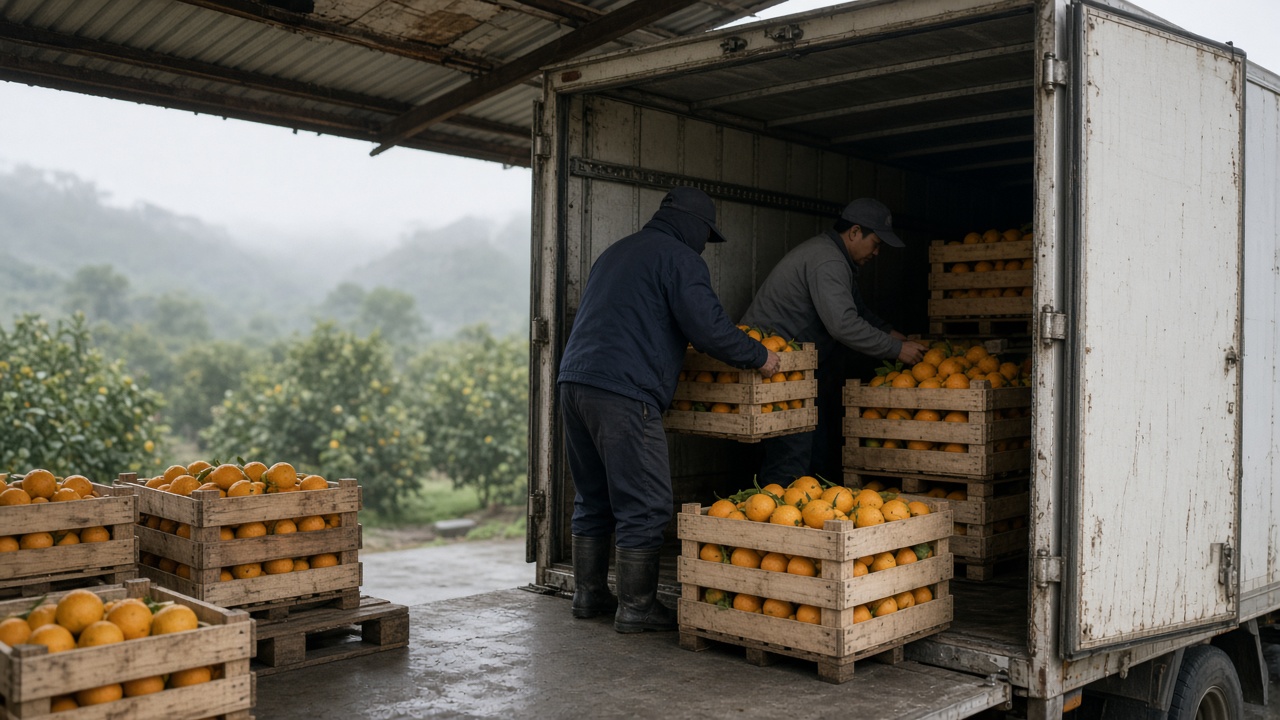
Executive Yuan officials on Friday outlined a contingency package for Taiwan citrus growers after mainland customs authorities slowed clearance on several cross-strait fruit routes this month, a pause Taipei treats as political signal as much as plant-quarantine procedure. Agriculture Minister staff told reporters the cabinet will expand cold-chain export credits and domestic school-procurement windows while diplomats press for case-by-case releases; no new cross-strait agreement text was published.
What is on the calendar
County agriculture bureaus must submit damage surveys by October 5 to unlock COA compensation tiers. The Legislative Yuan's Economics Committee scheduled a hearing on reefer container subsidies before mid-October budget markup, giving opposition lawmakers a venue to challenge response speed. Kaohsiung and Taichung fruit cooperatives were briefed separately on harbor inspection backlogs—not confirmed bans, but day-long holds that spoil premium pomelo shipments.
Who controls the levers
Mainland entry rules sit with customs and quarantine agencies Beijing has used before during tension spikes. Taipei cannot force reopening by press release; it can shift pallets. The cabinet memo emphasizes Japan and Southeast Asia buyer missions in November, plus accelerated domestic processing into juice concentrate lines that absorb oversupply when fresh export lanes stall.
Whip count and money
Ruling-coalition legislators from Yunlin and Taitung counties pushed for a NT$800 million top-up to an existing agricultural stabilization fund; budget drafters signaled a lower placeholder until surveys return. Opposition parties demand direct per-farmer payments rather than cooperative loans, a messaging fight more than a procedural block—votes likely hinge on whether COA publishes named beneficiary lists before elections season rhetoric peaks.
Concrete district effect
In Taitung's citrus belt, a cooperative manager told InfoHandle that two containers destined for Shanghai sat in Kaohsiung at extended inspection status, forcing a pivot to domestic supermarket chains at twenty percent lower net price. Farmers with outstanding Agricultural Bank seasonal notes face cash-flow gaps if the pause runs through Lunar New Year gift-box orders.
Messaging versus law
Cross-strait affairs rhetoric will dominate cable panels, but what changes livelihoods is refrigerated freight subsidies and procurement contracts school districts sign in November. Sarah Johnson's desk watches whether Executive Yuan orders actually move appropriations language or stop at briefing slides.
Taiwan's citrus sector has survived prior pauses by diversifying markets; this cabinet plan repeats that playbook with tighter timelines and more visible budget lines—if councils approve the money when growers need it, not after fruit drops rot on the packing line.
Harbor and inspection mechanics
Customs officials in Kaohsiung said mainland holds often begin with document requests on pest certificates rather than outright rejection, stretching reefer plug time and raising electricity surcharges cooperatives pay. The Executive Yuan memo directs COA to subsidize extra cold-storage days when inspections exceed forty-eight hours without a written finding—a narrow relief valve growers asked for after last week's queues.
Export diversification missions will prioritize varieties Japan accepts under existing phytosanitary protocols, avoiding the fantasy of opening wholly new categories overnight. Domestic processors willing to sign minimum-price contracts for juice-grade fruit will get expedited sanitary reviews so pulp lines absorb what fresh export cannot.