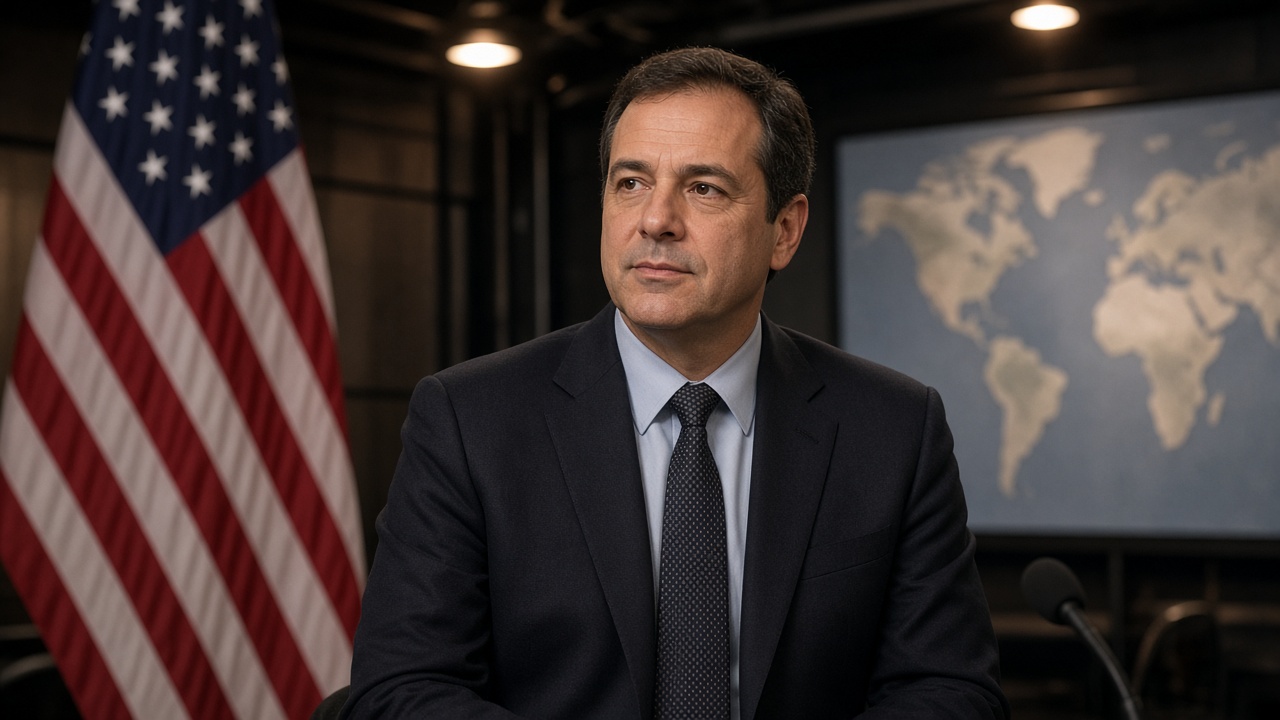
Iran's top security official Mohsen Rezaei said in an Al Jazeera interview on Saturday that Tehran has transmitted its conditions for ending the war with the United States to the White House through Qatari mediators, and is waiting for President Donald Trump's answer. The disclosure puts a public price tag on any ceasefire at a moment when fighting still spans the Gulf, Lebanon, and the Red Sea corridor.
What Tehran put on the table
Rezaei framed three demands as the core of any settlement: an end to the war on all fronts, release of Iranian assets frozen abroad, and lifting the U.S. naval blockade on Iranian ports. He also listed halting U.S. strikes on Iranian territory, ending interference in Iran's internal affairs, and stopping American cooperation with groups Tehran calls opponents of the revolution. Iranian posts refer to seven conditions, but no full text is public; until Washington confirms receipt, negotiators rely on what Rezaei said on camera.
The Qatari relay
Qatar has carried messages since the U.S.-Iran memorandum of understanding collapsed in August, with Pakistan also hosting contacts, according to Rezaei. Doha has not published a readout of this package, but Qatari outlets report ongoing talks with Iranian envoys. The route avoids direct U.S.-Iran travel while concentrating leverage in a Gulf state that hosts U.S. forces and keeps ties with Tehran.
Parallel Gulf crises
Rezaei tied any U.S.-Iran truce to fighting beyond Iran's borders, naming Lebanon in particular. That linkage mirrors the June memorandum language and reflects how the current war has pulled in proxies and allies across the region. He also said Iran wants Saudi-Houthi fighting to end and suggested the Houthis are interested in a deal with Riyadh, while insisting the group makes its own decisions.
Houthi attacks on shipping and U.S. pressure on Iranian ports are entangled risk streams. A port blockade lifted on paper while Red Sea violence continues would still strand tanker insurers; a Yemen truce with U.S.-Iran combat ongoing would not stabilize routes. Rezaei did not spell out verification or sequencing.
Washington's public posture
The White House had not responded to Iran's conditions as of Saturday evening in Washington. Rezaei said Tehran is prepared for a "decisive war" if the terms are rejected and argued that Trump's threats would not change Iran's position. Separately, the State Department warned U.S. citizens in Iraq, Bahrain, Oman, Saudi Arabia, Iran, Qatar, Lebanon, Kuwait, and Jordan to exercise heightened vigilance, citing the potential for unforeseen escalation—a travel notice that does not reference the Qatari relay but signals continued alert across the same map Rezaei described.
Rezaei warned that U.S. and Israeli actions could eventually justify leaving the Nuclear Non-Proliferation Treaty, while saying Khamenei's ruling against nuclear weapons still stands and no decision has been taken—a pressure line until enrichment or inspections actually move.
What negotiators watch next
Saturday's list echoes the June memorandum on ceasefire, sovereignty, blockades, and frozen funds. With that deal dead, the public Qatari relay forces Washington to accept, reject, or counter without a quiet channel. Treasurers and insurers can model asset releases and port access; political demands on interference are harder to verify.
Until Trump or envoys answer, the knowable record is thin: Iran says the package reached the White House via Qatar, Rezaei named security and economic asks on air, and the State Department issued a regional vigilance warning without a negotiating reply. Risk for shipping, frozen reserves, and forces in Lebanon shifts only when that response is documented.