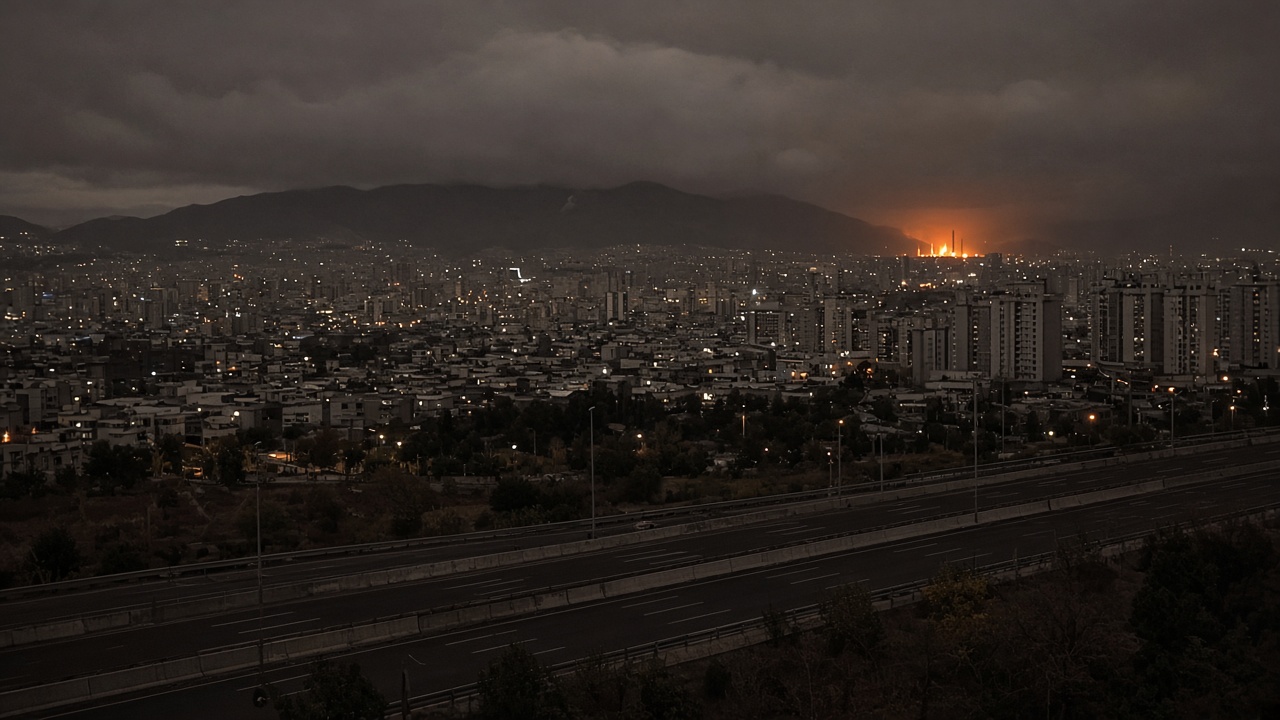
Iranian officials said Sunday they had received intelligence that the United States may be planning a new round of strikes and warned that Tehran would retaliate “without limitations” if Washington acts on those plans. The statement landed in the same news cycle as Houthi missile and drone barrages against Saudi Arabia and as Qatari mediators carried earlier diplomatic messages between Tehran and the White House—creating a split screen between negotiation talk and escalation threats.
What Tehran said publicly
Al Jazeera’s live coverage on Sunday quoted Iranian leadership saying they had learned of possible renewed U.S. bombing and would answer any attack without self-imposed limits. The language echoed a weekend of sharper rhetoric across the Gulf after Yemen’s Houthis targeted Riyadh and energy infrastructure near Yanbu, prompting Saudi intercepts and U.S. warnings of rapid escalation.
The Guardian reported on Saturday that governments across the Middle East were bracing for more violence after Iran claimed it had intelligence about a renewed American campaign. Iranian outlets framed the warning as defensive, but the phrasing—“without limitations”—is the kind of line insurers and tanker brokers parse when setting war-risk premiums for Strait of Hormuz transits.
Trump’s public menu of options
President Donald Trump told Fox News over the weekend that the choices regarding Iran were to “obliterate” the country, let it “rot economically,” or reach a deal. That triad sits alongside earlier White House messaging that blamed Houthi attacks on Iranian backing and threatened consequences for both the rebels and their patrons.
Diplomats in Doha had publicized Iranian peace terms relayed through Qatari channels in recent days—a separate track from Sunday’s retaliation warning. For readers trying to reconcile the strands, the knowable set is rhetorical: mediation continues in the Gulf while both capitals keep military options on the table in their public statements.
Energy and shipping exposure
Saturday’s Houthi strikes marked the first sustained pressure on Riyadh’s Aramco-adjacent sites since a Saudi–Houthi ceasefire broke down in June, according to regional reporting summarized by The Guardian. Even when interceptors work, insurance markets treat attempted hits on capital-region refineries as a signal for Bab el-Mandeb and Red Sea routing decisions.
Iran’s Sunday warning does not, in the sources cited here, specify which U.S. bases, Gulf allies or commercial lanes it would target in response to new American sorties. That ambiguity is standard in crisis messaging but it leaves charterers and airlines to model worst-case spillover rather than a published target list.
What is not confirmed
None of the public accounts reviewed by InfoHandle include a dated Pentagon order of battle, a presidential finding, or a U.S. Central Command timetable tied to fresh strikes. Iranian claims about American planning are intelligence assertions, not jointly verified facts. Likewise, U.S. officials had not, in these Sunday reports, matched Tehran’s “without limitations” language with a new red-line statement beyond existing force-protection posture.
What happens next is therefore a calendar problem for diplomats and a hedging problem for markets: Qatar’s channel stays open while Houthi salvos and Iranian threats keep Gulf capitals on alert. The bulletin’s spine is the new Iranian warning itself—distinct from earlier reports of written peace terms—plus Trump’s public framing that obliteration, economic strangulation and diplomacy remain simultaneous options on his desk.