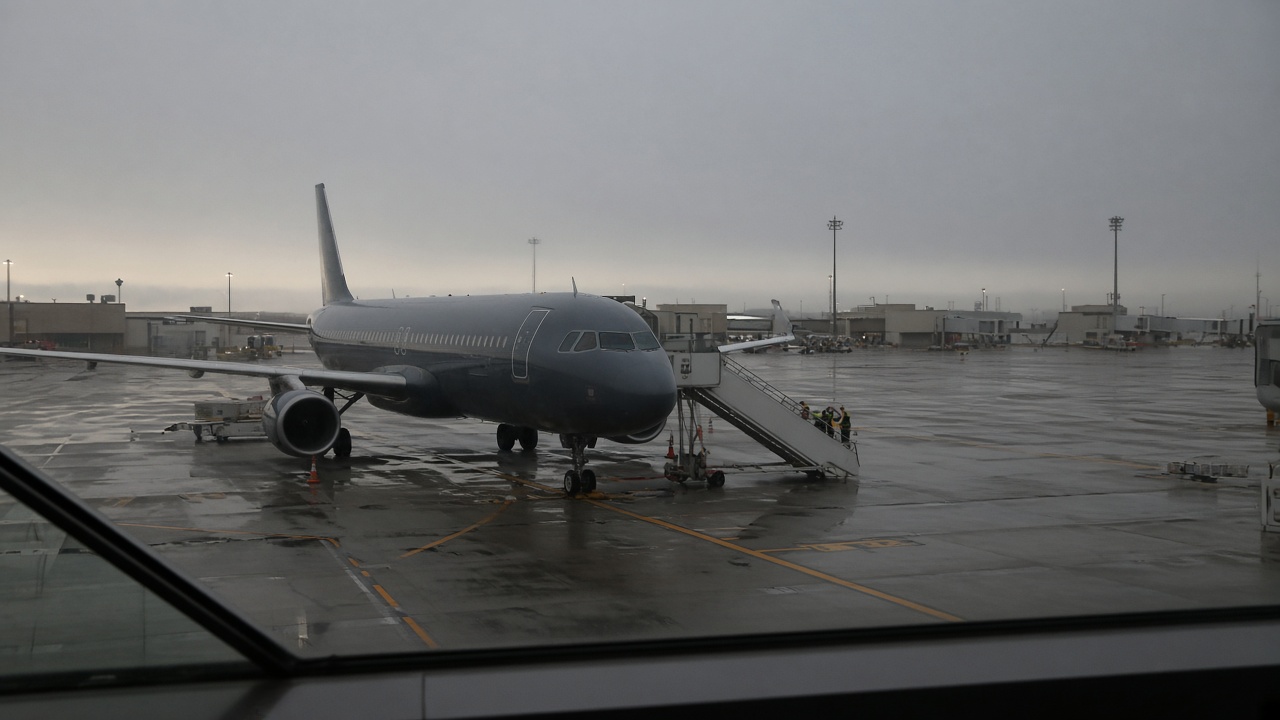
Jeju Air said it will operate four additional round trips between Gimpo and Jeju on the first Sunday and Monday after Chuseok, targeting families returning from island holidays before the workweek restarts. The LCC filed the rotations with the Ministry of Land, Infrastructure and Transport as temporary capacity, not a route expansion, and priced seats inside its usual domestic fare buckets without a holiday surcharge.
How the rotations work
Extra departures leave Gimpo from 6:05 a.m. to 7:20 a.m., landing Jeju before 8:30 a.m. Return legs push back between 8:30 p.m. and 10:15 p.m. to capture travelers who spent the last holiday day on the island. Aircraft are 737-800s pulled from overnight maintenance windows at Gimpo; Jeju Air said no international routes lose frequency because the additions reuse spare hull time after typhoon cancellations earlier in the month cleared the schedule.
Gimpo’s domestic terminal already runs near saturation on Sunday evenings; the airport authority said it will open auxiliary security lanes from 5 a.m. Monday and extend parking-lot shuttle hours. On Jeju, ground handlers contracted extra bus bridges so passengers are not stuck on the apron when multiple narrow-bodies arrive within twenty minutes—a recurring pain point when LCCs stack banks after holidays.
What it costs in won
Jeju Air’s website listed one-way economy from 49,000 won before baggage for the added flights, in line with midweek Gimpo–Jeju sales. Checked-bag fees stay at 20,000 won for the first 15 kilograms unless passengers hold a bundled fare. Minjun Oh’s Tuesday test: book before Friday midnight to avoid automatic seat-assignment fees some fares carry when airport check-in is the only option left.
Korea Expressway Corporation data show ferry bookings from Jeju to Mokpo also spike after Chuseok, but the Gimpo route serves Seoul commuters who drove to the island and want a fast return without an overnight ferry bunk. KTX does not serve Jeju; air remains the only sub-two-hour option.
Competition and limits
Korean Air and Jin Air operate parallel Gimpo–Jeju banks; they have not matched Jeju Air’s 6 a.m. block yet but added larger gauge aircraft on Sunday night returns. Ministry statistics show the Gimpo–Jeju city pair carried more than nine million passengers in 2025, making it one of the world’s busiest routes; holiday stacks stress ATC flow control when morning fog hits the Han River corridor.
Jeju Air warned that typhoon outer bands could still force cascades; credits follow its standard weather waiver, not cash refunds, unless flights cancel outright. Travelers with connecting international tickets should not book the extra legs on tight connections—Gimpo domestic and international terminals still require a bus transfer that can eat forty minutes at peak.
Practical takeaway
The rotations are a capacity patch for one weekend, not a permanent timetable change. For island hosts cleaning guesthouses Monday morning, the early inbound flights mean turnover crews must strip rooms Sunday night. For Seoul office workers, a 10 p.m. Jeju departure lands past midnight—tight for Tuesday morning meetings, but cheaper than missing the last regular bank by an hour.