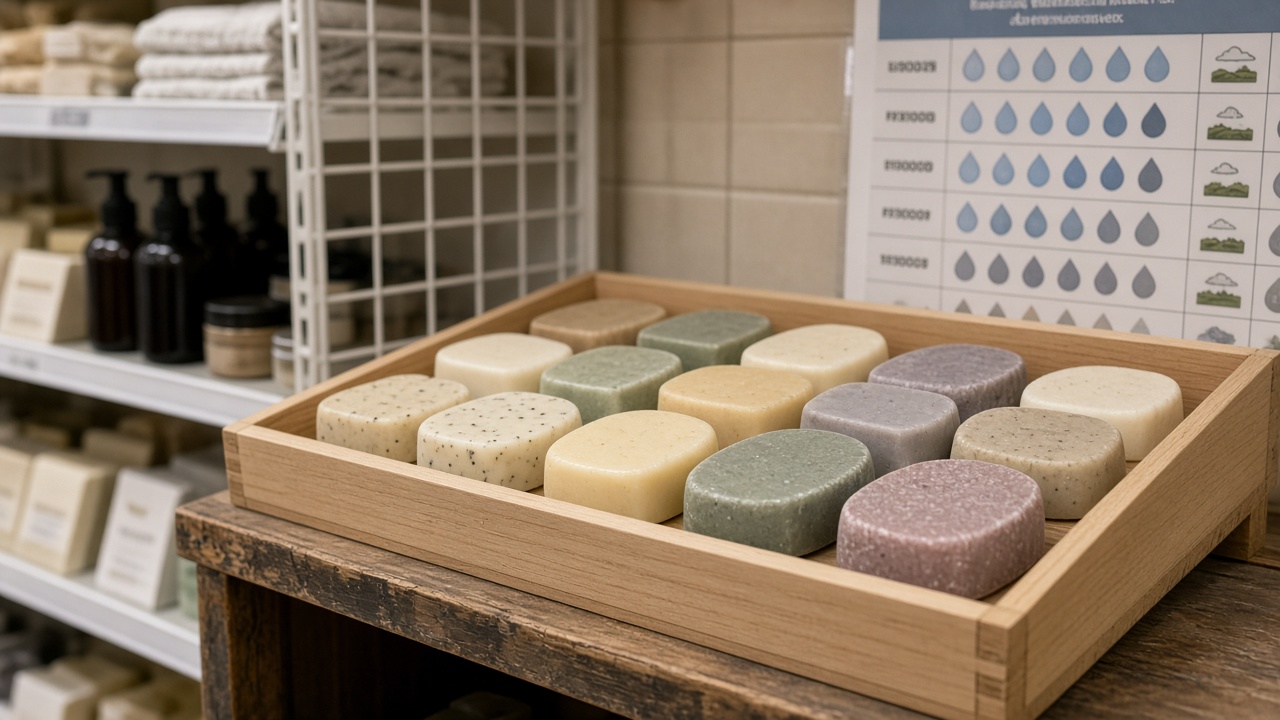
Lush pushed a fresh pallet run of citric-acid-formulated solid shampoo bars into Manchester, Leeds, and Nottingham shops this week, restocking after student move-in stripped displays and a hard-water trial in three halls partnerships reported limescale leaving film on hair.
What is in the bars being restocked
The SKU list is public on Lush’s site: sodium cocoyl isethionate base, powdered citric acid, and sea salt marketed to chelate calcium ions in high-TDS showers common in 1960s hall plumbing. INCI panels match what compliance teams filed — no silicones, no MI preservatives. MHRA classifies the bars as cosmetics, so claims stay at cleansing and “helps rinse in hard water,” not dandruff treatment.
Student ambassadors in the trial logged shower head readings with cheap strips universities supplied; averages above 180 ppm triggered recommendation of the citric-heavy bar over the brand’s standard honey-scented line.
Why ASA wording matters now
The Advertising Standards Authority upheld a competitor complaint in August that an influencer post implied Lush bars “fixed” Manchester water — language Lush withdrew and replaced with “formulated for hard water areas.” Restock signage in shops sticks to rinsability demos using cloudy tap water props, not before-and-after hair shots.
Halls managers said they partnered for sustainability goals — bars reduce plastic — not to endorse a brand exclusively. Trial kitchens still provide liquid soap; the shampoo test is opt-in on floors where students buy their own toiletries.
What students shopping today see
Shelves that emptied during fresher’s fair now carry numbered trays with batch stickers for the trial SKUs; staff briefed to explain bars need a draining tin so mush does not accumulate in steamy cubicles. Price stays at the standard £9 band; no student discount beyond existing UNiDAYS promotions.
Shop managers in the three cities reported Saturday queues when fresher’s parents bought bathroom bundles; restock pallets arrived Monday with explicit instructions not to stack bars near steamy shop windows that soften product edges.
Union reps on halls trial sites said they wanted neutral signage about water hardness rather than brand-led posters; Lush agreed to co-fund plain-language bathroom stickers listing ppm readings without product names.
Competing solid-bar brands sold in health-food aisles use similar citric acid levels but lack the hall trial data Lush cites in trade decks; none have faced ASA rulings this month, leaving Lush’s compliance team cautious about comparative shelf talkers.
Environmental groups applauded plastic reduction but asked universities to publish water hardness readings so students understand whether bars help or whether filters would solve the same film without new products — a debate facilities managers said they will punt until trial metrics arrive.
Dermatology nurses consulted informally warned that chelating bars can sting broken scalp skin — Lush till scripts mention patch testing. If hall data show fewer “waxy hair” help-desk tickets by reading week, the brand may extend supply to Bristol and Birmingham campuses under the same ASA-safe claims.