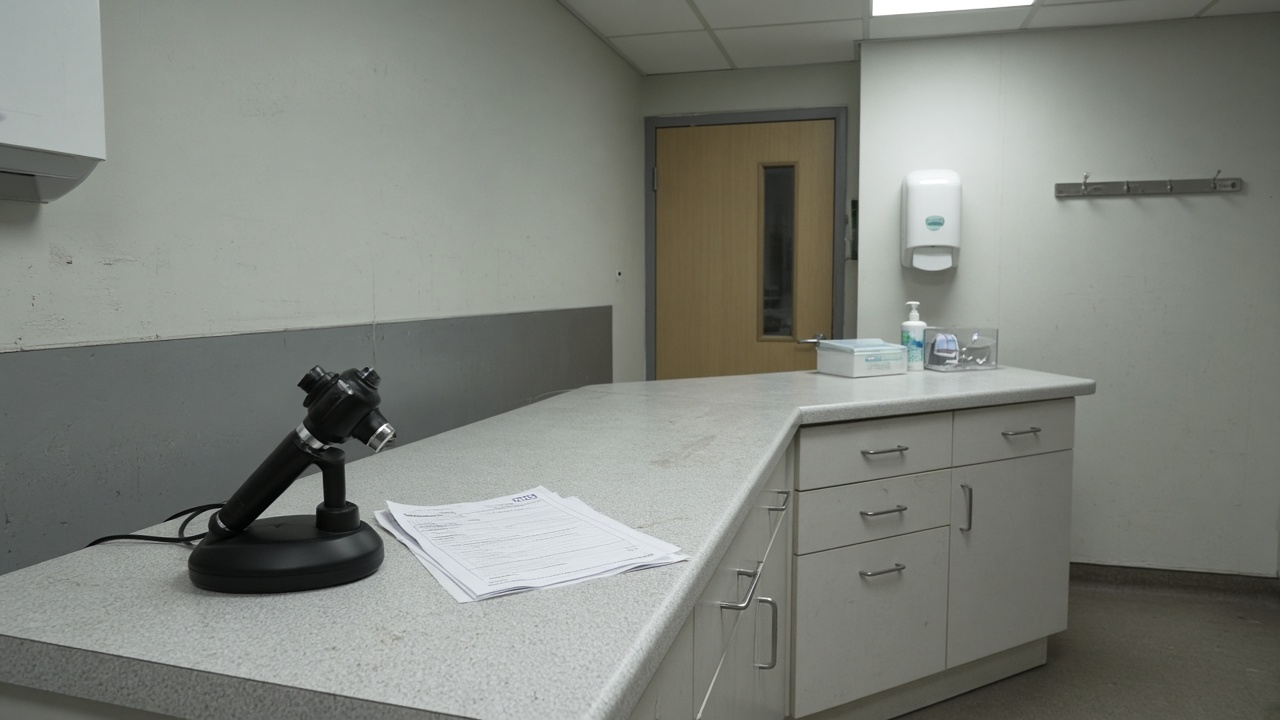
NICE published a draft change this week that would lower the dermoscopy score at which community pharmacists can lodge an urgent suspected skin cancer referral, widening the front door before hospital dermatology lists absorb another summer backlog.
What the draft actually moves
The consultation, open until mid-October, amends NG12 thresholds for pigmented lesions where a handheld dermoscope shows asymmetry or irregular vessels. Under the pilot wording, pharmacists in six unnamed boroughs could file a two-week wait referral when a structured checklist hits seven points instead of eight, provided they complete accredited dermoscopy training and log images on a secure NHS mailbox.
Absolute risk still matters: NICE modellers estimate roughly one confirmed melanoma per 120 referrals at the new cut-off, versus one per 95 at the old line. That is not a free pass to refer everyone with a changing mole — the draft keeps red-flag symptoms (bleeding, rapid growth) as automatic urgent pathways regardless of score.
Why borough pilots, not a national switch
NHS England chose pharmacy-led pilots where two-week wait breaches already sit above the national median and where Pharmacy First footfall is high enough to generate data within a winter quarter. Participating contractors receive a £45 activity payment per completed dermoscopy episode, on top of existing consultation fees, but must submit monthly audit packs to integrated care boards.
Hospital dermatologists consulted on the draft warned that image quality varies by store lighting. The Royal Pharmaceutical Society said trained pharmacists can match GP triage when cases are protocol-bound, but only if secondary care agrees not to bounce referrals that lack a consultant photo.
What patients would notice on a high street
Shoppers would not see new signage yet — borough names stay confidential until contracts sign. In practice, a pharmacist could refuse sale of a travel vaccine long enough to examine a lesion a customer mentions casually, then print a referral letter the patient carries to a booked hospital slot rather than waiting for a GP appointment.
GP federations in adjacent areas asked for equal funding if pharmacists absorb triage work without freeing GP appointments elsewhere. NICE’s response in the draft is blunt: the pilot measures whether earlier referral shortens time-to-diagnosis, not whether it cuts overall GP workload.
Pharmacy contractors not in the pilot can still refer under existing GP collaboration rules; the draft does not create a national right to dermoscopy in every branch, only a scored pathway where contracts exist.
Cancer Research UK’s waiting-time briefings note that melanoma survival correlates with days between first primary-care contact and excision; the pilot’s success metric is median days shaved off that interval, not referral volume alone.
If winter data show shorter median intervals without spike in false positives, the threshold could roll nationally next spring. Until then, the honest read is a modest scoring tweak tested where pharmacy counters already see sun-damaged skin and long NHS waits collide.