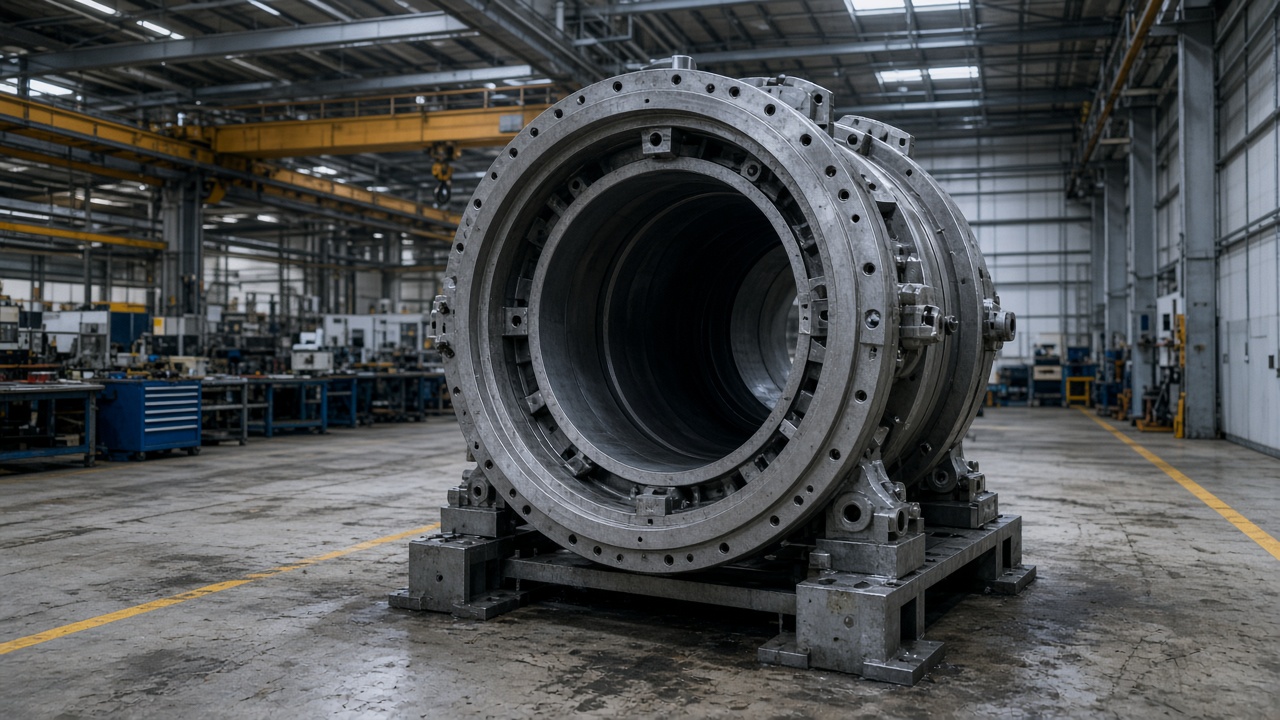
Rolls-Royce Holdings plc shares gained 2.7 percent after the company disclosed turbine housing orders for its Derby small modular reactor campus, linked to engineering workstreams advancing under Great British Nuclear’s technology selection track. The civil nuclear backlog line item investors monitor separately from widebody engine shop visits rose by a “low triple-digit millions” pounds, finance officials said in a market statement that avoided naming end customers.
What Derby is building
Rolls-Royce SMR Ltd runs a campus near its historic Derby manufacturing site where modular reactor pressure vessel segments and turbine housings are machined before shipment to assembly hubs. Turbine housings—the steel structures routing steam into power turbines—are long-lead items; booking orders signals confidence that UK siting decisions are moving from paper to procurement. CEO Tufan Erginbilgic has tied SMR credibility to domestic supply chains rather than imported kits.
The Great British Nuclear organisation is overseeing competitive selection among SMR designs; Rolls-Royce’s pressurised water module is on the government shortlist alongside international rivals. GBN’s site lists consultation milestones through 2026; Rolls-Royce’s update aligns with autumn design maturity reviews insurers requested before factory expansion loans draw down.
Market mechanism
Investors bought Rolls-Royce on backlog quality, not airline traffic. Civil aerospace spiked earlier in the week on Boeing delivery news; Friday’s move was narrower, led by funds with nuclear thematic sleeves. Marcus Hale’s framing: outperformers were Rolls-Royce versus Babcock and Balfour Beatty, which also chase nuclear civils but lack SMR IP.
Implied volatility in Rolls-Royce options fell slightly, suggesting the order news was anticipated after Derby hiring ads for nuclear welders surged in August. Short sellers covering contributed, according to two traders who asked not to be named because they are not authorised to speak publicly.
Financial contours
Rolls-Royce does not yet recognise SMR revenue at power-plant scale; housing orders sit in early-stage contracts with milestone billing. Cash impact is modest this year but changes forward coverage ratios analysts use in sum-of-the-parts models. One bank raised its SMR option value by 40p per share, still a fraction of the civil engine recovery driving headline profits.
Derby City Council planning files show campus expansion permissions granted in 2025 for additional bay space; Rolls-Royce said capitalised tooling for housings will ramp through 2027 if GBN down-selects its design.
Supply chain and skills
Orders flow to UK forges already qualified on submarine programmes, with export control checks on dual-use metals. Unite reps at Derby said apprenticeship intakes for nuclear machinists rose twenty percent this autumn, a labour story that matters because housing tolerances are tighter than industrial gas turbines. Rolls-Royce’s statement thanked the Nuclear Advanced Manufacturing Research Centre in Sheffield for metrology support—a nod to regional clusters ministers promote.
Component lead times stretch past fifty weeks globally; domestic booking lets Rolls-Royce argue for SMR timeliness in Westminster hearings even before final reactor orders.
Risks that could reverse the gain
GBN could delay site picks if grid connection queues slip; National Grid ESO documents show transmission bottlenecks in northern England. Competitors may challenge intellectual property on integrated vessel-turbine interfaces; Rolls-Royce did not comment on litigation chatter. Hale’s falsification test: if Monday’s sector read shows housing orders as reclassified engine spares, the narrative collapses—Rolls-Royce finance said classifications follow IFRS 15 milestones audited externally.
Currency moves matter less here; contracts are sterling-denominated with inflation indexation caps disclosed to bondholders in May’s debt prospectus supplement.
Broader nuclear politics
Ministers want SMRs online before 2035 climate targets tighten; opposition parties broadly support jobs in the East Midlands. Environmental groups want clarity on waste routes; Rolls-Royce pointed to existing UK fuel cycle policies without new waste announcements. Regulatory engagement with the Office for Nuclear Regulation continues on standard design approval—a gating item before serial production.
Export prospects to Czech and Polish buyers remain in MOU stage; Derby housing orders discussed Friday are UK-tied, limiting geopolitical premium in the share price.
What the street models now
Consensus PT moves were incremental, but nuclear optionality now sits higher in pitch decks. Engine shop visit guidance for 2026 was untouched—investors still own Rolls-Royce mainly for aerospace leverage. SMR orders provide diversification narrative when airline cycles wobble.
Next disclosure is an investor day slot in November where Rolls-Royce promised SMR unit economics with factory throughput assumptions. Until then, turbine housing bookings are the tangible proof Derby’s campus is not a showroom.