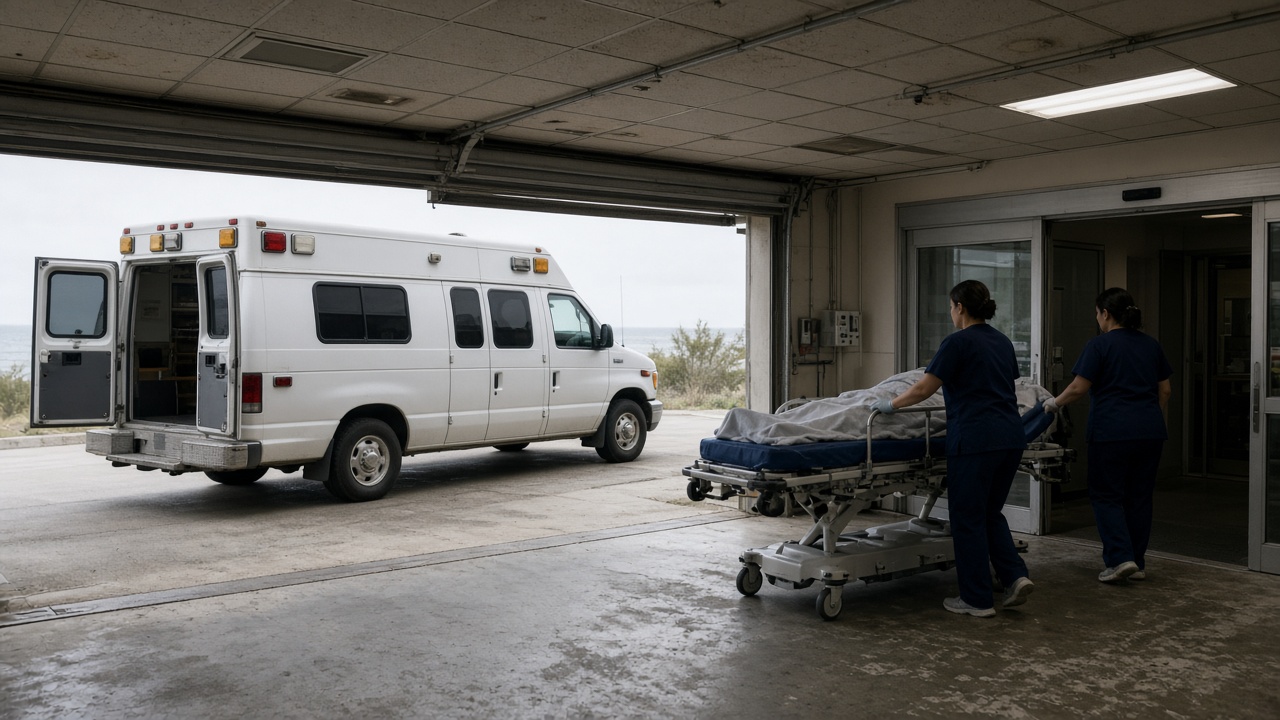
Country Health SA opened a bone-injury fast lane at Port Lincoln Hospital for patients arriving on scheduled coaches from Eyre Peninsula towns after winter football and netball seasons pushed fracture referrals past routine orthopaedic clinic capacity. Nurses triage coach groups at the ambulance entry so suspected breaks get X-rays before general emergency queues that still carry chest pain and stroke cases.
What changed on the ground
The fast lane is not a new ward; it is a timed intake path. When the twice-weekly patient transport coach from Ceduna or Tumby Bay pulls in, a fracture nurse meets the group, checks referral letters from GPs, and routes obvious limb injuries to radiology while stable patients with scripts or dressings go to outpatient desks. SA Health said the aim is to cut same-day send-backs—people who rode four hours only to be told imaging must wait until Monday.
Port Lincoln remains the peninsula's hub for complex imaging. Smaller hospitals can splint and stabilise, but orthopaedic review for displaced fractures still concentrates here. Connor Blake's read of the policy is blunt: absolute risk for a rural patient is travel time plus missed work, not just whether a cast sets cleanly in theatre.
Evidence the department cited
SA Health pointed to winter sports injury patterns logged through the state trauma registry—ankle and wrist fractures rising when junior competitions resume after rain-softened grounds. The department did not publish new trial data with the fast lane; instead it framed the change as operational, borrowing triage ideas from metropolitan fracture clinics that already separate low-acuity limb injuries from resuscitation bays.
GPs on the peninsula were told to flag coach bookings on referrals so clerks can slot imaging before afternoon departures. Miss the window and patients overnight in Port Lincoln motels at their own cost unless clinical staff certify an unsafe return.
Limits patients still hit
The fast lane does not create extra orthopaedic theatre lists. Patients who need surgery within 24 hours still transfer to Adelaide when local lists are full. TGA rules on pain medicines have not changed—rural pharmacies still face stock gaps that force families to detour.
Mental health and chronic disease appointments were not rebalanced; the lane targets acute bone injuries only. Ambulance cases from farming accidents bypass the coach path entirely.
What to watch
Country Health SA will review coach-time compliance after the September school holidays, when junior sport peaks again. If imaging backlogs persist, the next lever is telehealth fracture reviews with Adelaide specialists—not another marketing label, but whether Tuesday morning clinics actually shrink waiting-room hours for people who already spent half a day on the road.
GP and pharmacy loop
Rural GPs told InfoHandle Network that fracture referrals now include expected coach arrival times so clerks can pre-book imaging slots. Pharmacies in Port Lincoln reported higher demand for crutches and sling stock on coach days—small supply chain signals that the lane is changing foot traffic, not just emergency metrics.
Patients without coach access—farmers who drive themselves after machinery injuries—still use the standard emergency queue. SA Health emphasised the lane does not skip clinical priority for chest pain or stroke symptoms that arrive on the same bus.