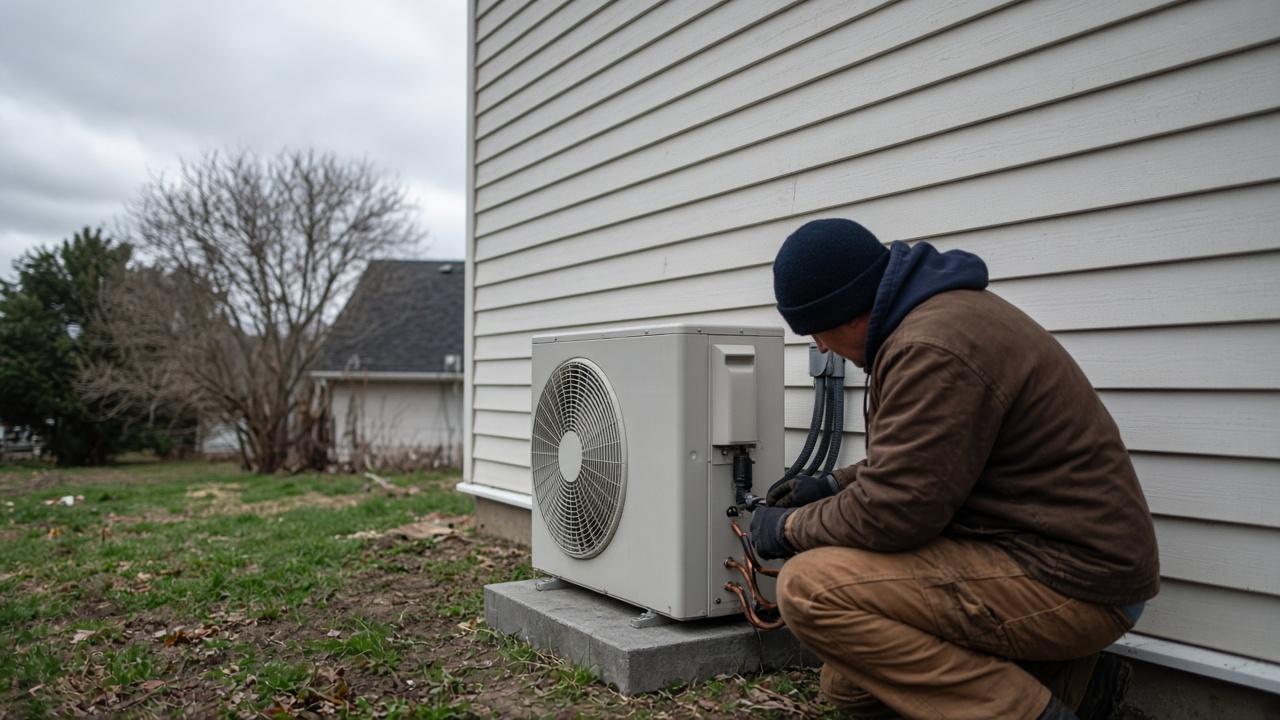
Samsung Card expanded a zero-percent installment lane for top-tier heat-pump packages sold through authorized Samsung Electronics installers, according to dealer bulletins circulated in Gyeonggi and Jeolla provinces and terms listed on Samsung Card’s durable-goods finance page. The window—running through the end of September on select EHS models—pairs with national heating-electrification subsidies that can cover up to 70 percent of install costs in eligible homes, a combination household finance desks say is pulling forward winter retrofit decisions.
What the card product does
Samsung Card’s published durable-goods finance sheet shows installment rates from 0 percent to 19 percent annually depending on merchant and product, with tenors up to 36 months and no early-repayment fee on promotional zero-percent plans. Dealers said the September promotion applies to bundled EHS outdoor units, hydro units, and installation labor when total ticket sizes exceed roughly 8 million won—typical for whole-home heat-pump conversions after subsidies. Credit limits still scale with issuer scoring; zero percent does not mean automatic approval.
Unlike generic appliance SKUs, heat-pump deals require on-site feasibility checks—electrical panel upgrades, refrigerant line runs—so Samsung Card approvals often trail site visits by a week. Dealers in Suwon said approved customers receive digital installment contracts through the Samsung Pay app, with first billing after commissioning.
Tie-in to Samsung manufacturing
Samsung Electronics brought EHS heat-pump boiler production from China to a Gwangju line with capacity above 100,000 units annually, Seoul Economic Daily reported in August, aligning with government demands that subsidized gear be domestically built. The Elec quoted digital-appliances executives saying Korea-market trust-building matters more than immediate share grab, with local production unlocking incentive eligibility.
MK outlined ministry plans to deploy millions of heat pumps by 2035, including 14.45 billion won in first-phase subsidies for detached homes, with deep support in Jeju and South Gyeongsang for solar-equipped houses. Installers marketing Samsung Card zero percent pitch “net three million won” out-of-pocket after subsidies on ten-million-won quotes—a number sensitive to progressive electricity tariffs customers still fear.
Household bill mechanics
Sooyeon Choi’s desk modeled a representative 36-month zero-percent plan on 6 million won financed after subsidies: 166,667 won monthly before insurance riders, against winter gas bills that often exceed 200,000 won in older boilers. Missed Samsung Card payments flip to contractual APRs plus penalty interest per card rules; heat-pump loans are not mortgage-secured, so delinquencies hit card credit scores quickly.
Competing issuers—KB Kookmin Card, Lotte Card—run seasonal HVAC promos too; Samsung’s edge is tight integration with Samsung.com event pages that stack cashback on appliances. September’s heat-pump focus is narrower but higher ticket.
Regulatory and subsidy timing
Ministry of Climate, Energy and Environment briefings this summer stressed heating electrification; dealers must upload domestic-serial proof to claim rebates. Samsung’s Gwangju serials began appearing on invoices in late August, triggering a rush before fiscal-year subsidy pools thin. Samsung Card’s zero-percent window matches that urgency.
Consumer counselors in Seoul warn that subsidy stacks plus card finance still leave maintenance and power costs with owners; zero percent does not cap electricity use. Samsung Card said promotional inventory is finite and may end early if funding exhausts—standard language on its site.
What to watch on statements
Customers should see merchant name, tenor, and promotional APR on first statements; if charged interest, dispute lines go through Samsung Card’s app within 60 days. Installers said commissioning delays past September 30 may forfeit zero-percent tags even if deposits were paid—check dealer contracts. For households comparing gas versus heat pumps, the card promo is the easy part; the hard part remains panel upgrades and winter tariff math Samsung Card cannot solve.
Energy counselors in Gwangju said subsidy portals slowed last week as homeowners uploaded Samsung serial numbers from the new line; Samsung Card approvals tracked that surge, with underwriting teams extending evening hours. Missed payments on zero-percent HVAC plans still accrue late fees after grace days, and repossession language in merchant agreements references installer liens on outdoor units—fine print few read before signing. Still, for creditworthy households, the widened window makes September the cheapest month on the calendar to finance a domestic EHS stack while government co-pay tables remain fully funded.