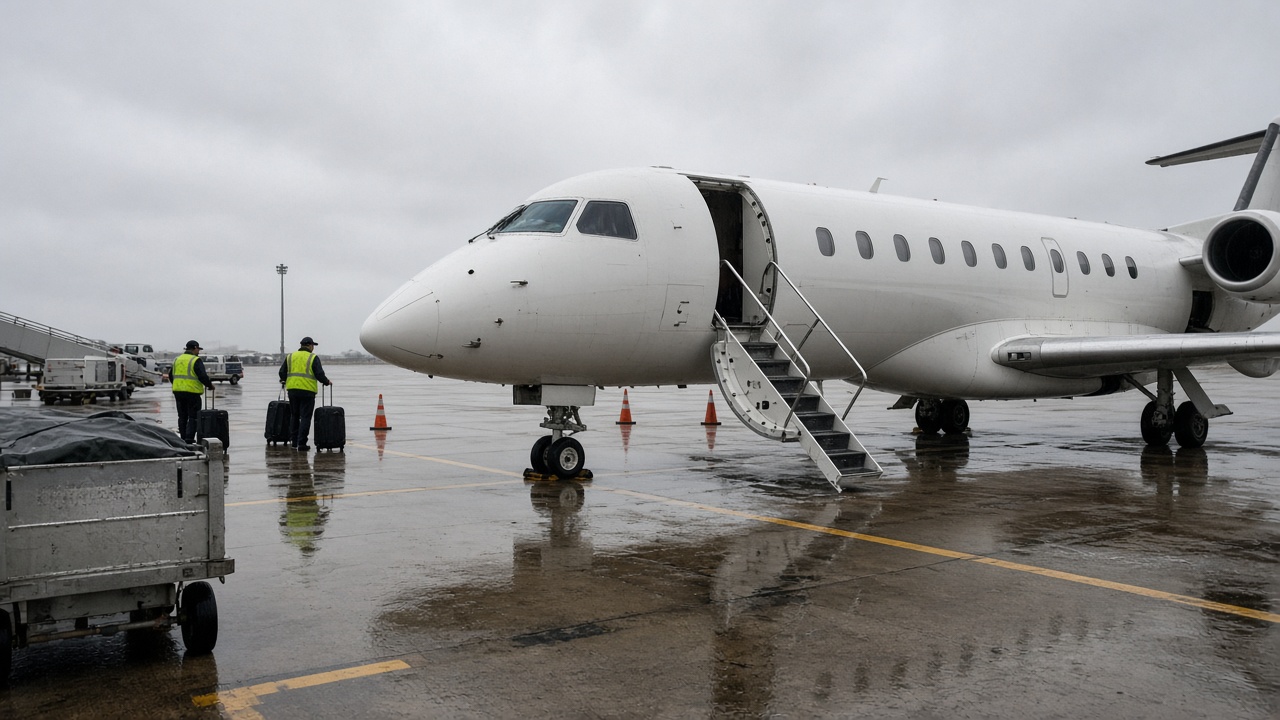
StarFlyer said it will restore a third weekly Kitakyushu–Seoul Incheon frequency in October, citing post–Silver Week business bookings from Kyushu manufacturers and trading houses that skipped summer travel but kept semiconductor and chemical supply meetings on calendars. The move keeps the airline’s distinctive monochrome cabins on a route it first tested before the pandemic, now pitched as a Fukuoka-alternative for northern Kyushu passengers tired of bus connections.
Route mechanics
Kitakyushu Airport sits closer to Yahata steel heritage towns and several chip-material plants than Fukuoka’s larger hub, shaving road time for engineers carrying tool samples that do not belong in checked baggage. StarFlyer’s timetable lists afternoon departures aligned with Incheon arrivals that still allow dinner meetings in Gangnam before hotel check-in. Return legs land early enough for same-day plant walkthroughs when customs pre-clearance is not in play.
Fares published this week stay premium versus LCC options from Fukuoka, but include assigned seats and a full beverage service corporate travel desks prefer when policy bans ultra-low-cost carriers. StarFlyer codes no partners on the sector; Incheon connections to Southeast Asia remain separate tickets, which travel managers accept when Seoul is the primary destination.
Who is filling seats
Airport authority data show inbound Korean tourists still dominate leisure charts, but StarFlyer’s sales team highlighted outbound Japanese maintenance supervisors visiting Korean battery partners and quality auditors reviewing subcontracted mold shops. Silver Week compressed two weeks of meetings into four days; October frequencies capture the follow-up visits that were postponed when holiday blackout dates blocked approvals.
Kitakyushu city economic offices promoted the route in briefings with suppliers rebuilding inventories after typhoon season shipping delays. Unlike wide-body trunk routes, the 170-seat jets do not move tour groups; load factors depend on a thin layer of high-yield business traffic and visiting professors from Korean universities with exchange MOUs in Beppu and Oita.
Ground experience
Kitakyushu Airport’s compact terminal means shorter security lines but fewer lounge options; StarFlyer directs elites to contract lounges in Incheon’s main terminal after landing. Parking at Kokuraminami station-linked lots remains cheaper than Fukuoka for company drivers dropping executives. Bus operators adjusted timetables to meet the new Wednesday rotation, a coordination detail small airports need when a single frequency change ripples through regional transit.
Incheon’s airport railroad still beats taxis for central Seoul unless meetings sit near Songdo; StarFlyer’s app now surfaces AREX schedules in English and Korean, a small UX tweak Antonio’s travel desk notes because legacy JAL and ANA apps buried multimodal hints.
Planning tips
Readers booking now should compare total door-to-door time from factory sites—not just block hours. Winter winds can prompt occasional go-arounds at Kitakyushu’s seaside runway; carry-on policies are strict on prop-sensitive instruments. Carbon-conscious teams may still choose rail-plus-ferry combos, but for day-trip audits the restored frequency removes an overnight in Fukuoka that previously made two-day itineraries mandatory.
If corporate loads hold through year-end, StarFlyer will consider Saturday rotations aimed at Korean golf and onsen packages; for now the story is spreadsheets and samples in cabin-overhead bins, not suitcases full of clubs.