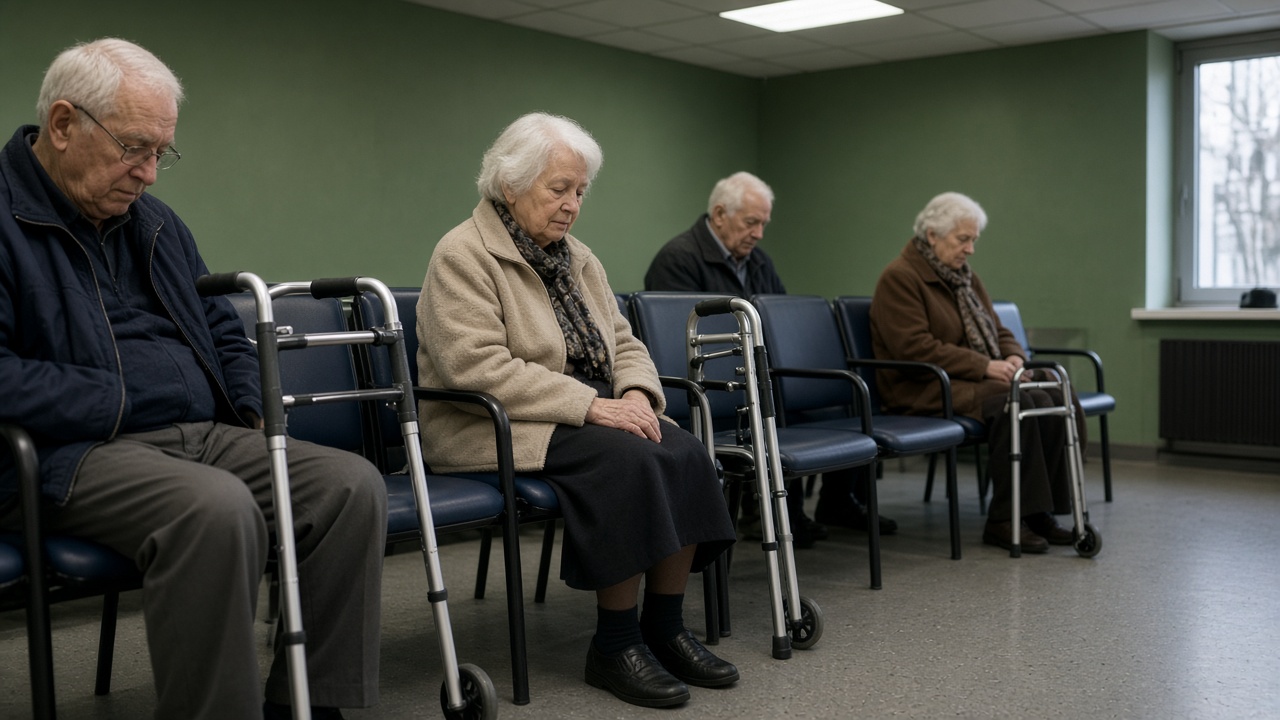
Tokyo Metropolitan Geriatric Medical Center said Friday it will run same-day neurology intake blocks on weekday afternoons through October after Silver Week referrals for memory complaints and gait instability piled up faster than outpatient slots could absorb them. The move does not expand emergency stroke capacity; it adds nurse-led triage for stable adults whose primary physicians flagged possible mild cognitive impairment or Parkinsonian symptoms during holiday closures.
What changed in scheduling
The center’s public English pages list geriatric neurology among core departments serving Tokyo’s aging population. Before the holiday cluster, new non-urgent referrals waited roughly six weeks for first visits; post-holiday intake lists jumped when neighborhood clinics reopened Monday with stacks of forms patients had carried since August. Afternoon blocks—three per week at the Hinodai campus—let coordinators route cases to neuropsychology testing, imaging, or medication review without parking everyone in the emergency department.
MHLW dementia policy materials emphasize early diagnosis and caregiver support, but capacity bottlenecks show up in metropolitan hospitals first because they attract referrals from across the prefecture. Japan Geriatrics Society guidance reminds clinicians that not every forgetful week signals dementia; infections, dehydration, and new sedatives mimic decline, which is why nurse triage starts with medication reconciliation and basic labs before ordering expensive PET scans.
Who should—and should not—use the lane
Center staff published criteria aimed at family doctors: adults 65 and older with progressive memory loss over months, new falls without fracture, or tremor affecting daily tasks, without acute focal weakness or sudden speech change. Anyone with sudden onset symptoms still belongs on the 119 stroke pathway. The afternoon lane requires a referral fax or electronic form from a Japanese clinic; walk-ins without documentation are redirected to community health centers that can stabilize urgent issues.
Interpreter support is limited to booked slots; the center advises foreign residents to bring Japanese-speaking companions or municipal interpretation vouchers where available. Self-pay imaging deposits apply when patients lack National Health Insurance linkage, a common friction point for long-term residents who have not updated municipal registration after moves.
Evidence the desk weighed
Randomized trials on screening asymptomatic seniors remain mixed; the center is not offering population-wide cognitive scans in the new blocks. Instead, it applies structured assessments already used in its memory clinic—Mini-Mental State Examination successors and clock-drawing tasks—before neurologists see patients. That mirrors society recommendations to avoid labeling people based on single bedside scores.
For Parkinson’s suspects, dopamine transporter imaging waits on neurologist approval; the backlog lane mainly prevents duplicate ER visits when families panic after a vacation week of noticeable slowing. Absolute risks matter: a few extra percentage points of diagnostic yield from early imaging must be weighed against false positives that push elders into unnecessary anxiolytics.
Limits for readers
These slots are not a shortcut around primary care, and they will not solve caregiver burnout alone. Tokyo’s program does not include home visits; families still coordinate transport and post-visit legal planning with municipal dementia support desks. If symptoms are sudden or accompanied by fever, infection workups belong in general medicine first.
Administrators will count no-show rates and conversion to memory-clinic enrollment through November. If afternoon blocks only shift waits without shortening time-to-diagnosis for high-risk patients, the hospital will reallocate hours back to inpatient rehabilitation teams that also faced holiday staffing gaps.