Reporters from CNN, MS NOW, and Politico were denied entry to the White House on Saturday and had their press passes confiscated, implementing a ban President Donald Trump announced on social media Friday. The three organizations said the move violates First Amendment protections and signaled they would challenge it in court, opening another confrontation over whether the administration can exclude outlets based on coverage the president dislikes.
What happened at the gate
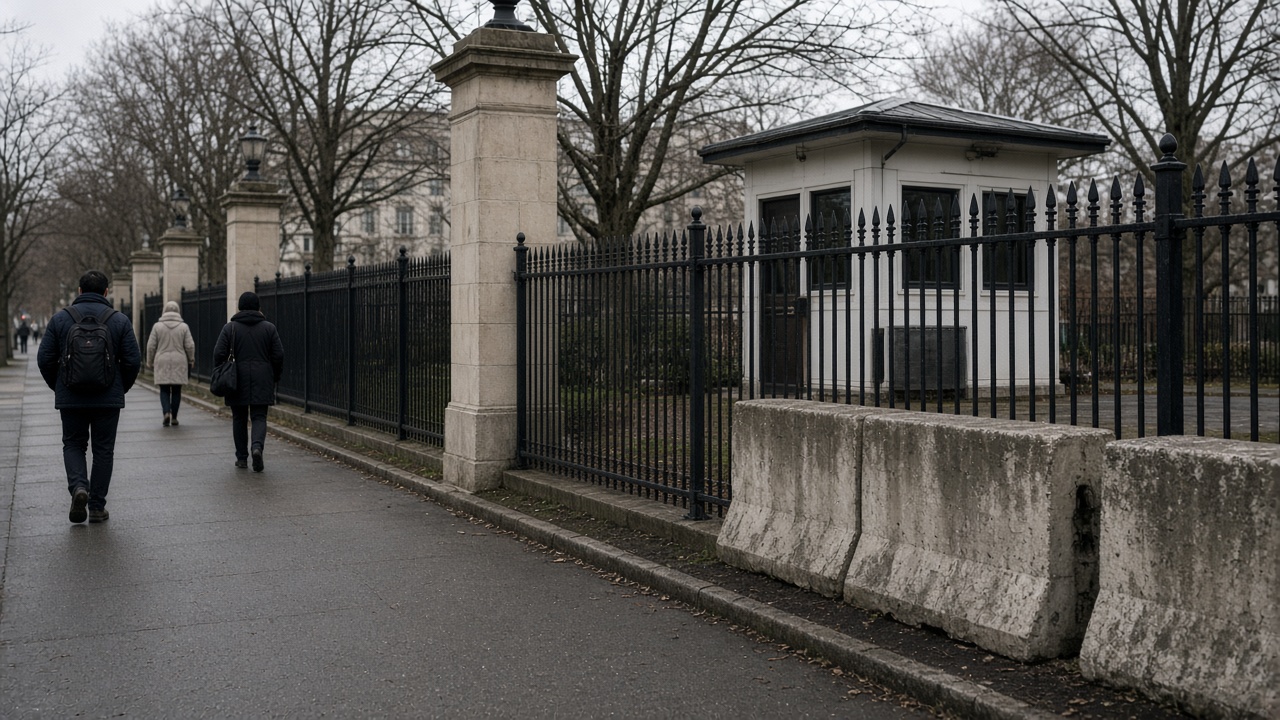
CNN said senior White House reporter Betsy Klein was barred when she arrived for work; MS NOW reported the same for White House correspondent Akayla Gardner. Politico said White House reporter Cheyenne Haslett was turned away and her badge was taken. Both cable networks went live from outside the Northwest Gate to describe the enforcement, a public scene that underscored how quickly Friday’s Truth Social post became operational policy.
Trump wrote Friday that he was banning the outlets “effective immediately” because of what he called constant fake news and fiction about him, his administration, and the country. He did not cite specific stories. In the Oval Office later that day, he told reporters other organizations could face similar treatment, repeating a threat he has made intermittently since his first term.
How the outlets responded
CNN called the ban an illegal assault on its constitutional right to report without government interference. MS NOW and Politico issued parallel statements saying they would defend First Amendment rights and continue covering the administration. The White House Correspondents’ Association condemned the move as a violation of press-freedom norms embedded in decades of pool access rules.
Legal scholars said the dispute turns on viewpoint discrimination: Trump has been explicit that negative coverage motivates the restriction. Courts have generally held that while the White House can manage logistics and security, it cannot pick which journalists may cover official business based on the tone of their stories. Several experts told outlets this weekend they expect the networks and Politico to prevail if they sue, though litigation could take months while access remains limited.
Administration defense
U.N. Ambassador Mike Waltz defended the ban Sunday on CNN’s “State of the Union,” arguing the government may control who enters federal facilities. Waltz was booked before the ban took effect, producing a confrontational interview with an anchor whose colleagues were locked out hours earlier. The appearance illustrated how diplomatic and domestic messaging now intersect with press-access fights heading into a week when Trump is expected at the United Nations General Assembly.
The administration has not published a formal memo detailing appeal procedures or whether pass holders from other bureaus at the same companies are affected. CNN, MS NOW, and Politico said they would keep reporting from outside the complex and through pool rotations shared with outlets still credentialed.
What changes Monday
Until a judge rules, the practical effect is narrower daily visibility inside the West Wing for three large organizations whose White House teams feed evening newscasts and morning newsletters. Pool photographers and wire services remain inside for many movements, meaning core visuals of presidential events may still circulate even as banned reporters stand on Pennsylvania Avenue.
The knowable record this weekend is procedural: badges confiscated, live broadcasts from the gate, statements promising litigation, and a senior appointee defending the policy on one of the banned networks. Whether access returns through a court order or a negotiated settlement will determine if Saturday’s scene becomes a precedent or a brief escalation in a longer press fight.