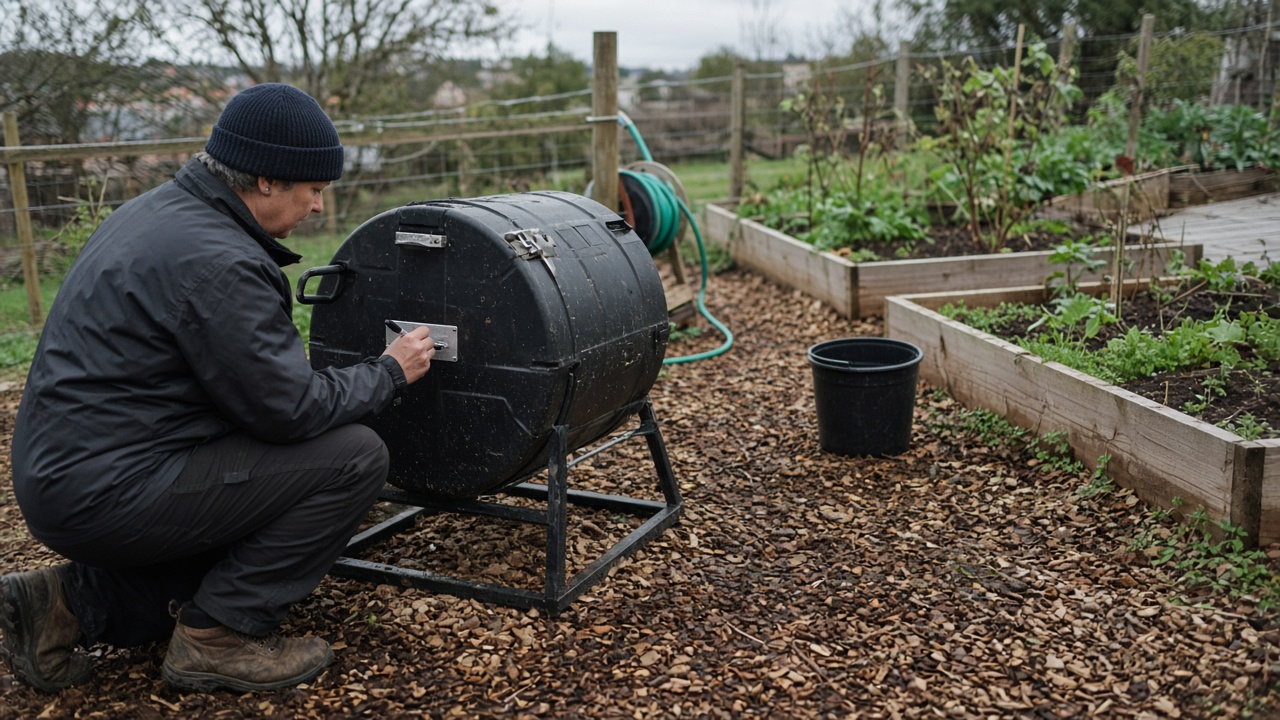
Volunteers at Adelaide community gardens are photographing serial plates on compost tumblers and registering them in spreadsheets before Green Adelaide and metropolitan council grant acquittals close in October, after last year’s audit flagged two gardens that could not match funded bins to plot boundaries. The paperwork is unglamorous—laminated lists taped inside tool sheds—but it determines whether groups keep $2,000 to $200,000 Grassroots Grants flows or repay kit worth thousands.
What auditors want
Green Adelaide’s 2025–26 Grassroots Guidelines require progress reports for any overdue acquittal before new money releases; community gardens are eligible when projects improve metropolitan biodiversity, not when grants buy vegetable beds alone. Linde Community Garden in Stepney showed auditors how a $2,845 Norwood Payneham and St Peters community grant replaced recycled-plastic edging on 65 raised beds—documentation gardens with compost streams now copy.
Serial registration started after Green Industries SA reminded councils that kerbside food-waste grants above $220,000 demand bin audits using a standard 100-bin sample methodology; community gardens piggyback the same rigour for shared organics hubs that accept member food scraps. At a Marion plot, treasurers bill $40 annual fees partly to cover weatherproof labels and a shared Google Sheet listing bin manufacturer, capacity and purchase date.
Hours and dollars in the shed
Registering forty bins across a half-hectare site takes a volunteer Saturday—roughly six hours with coffee breaks and a council officer walk-through. Replacement tumblers from hardware chains run $180 to $350 each; losing grant-funded units to private yards triggers clawbacks that can exceed a garden’s annual membership float.
Grassroots Grants round seven closed to new applicants, but acquittals continue; gardens that partner with schools must show student compost streams separately from household drop-offs. Green Adelaide prioritises canopy and habitat projects, so gardens frame serial logs as contamination control: proof that only approved bins receive meat and citrus waste destined for municipal green-bin contractors.
Council overlap
Metropolitan councils run their own small community grants—like Norwood Payneham and St Peters—and may cross-check Green Adelaide lists before renewing land-use agreements on reserve land. Council Modernisation Grants from Green Industries SA target local government waste systems, not garden committees, yet auditors compare garden serial lists when council-supplied composters sit on city-owned plots.
Volunteers said the work falls on retired members who already water on Tuesdays and Thursdays; younger plot holders offer to scan QR codes if treasurers print them beside bed numbers. No one pretends the task is horticulture—it is household-scale administration for a city trying to keep food waste out of red bins.
What happens next
Gardens that finish registration before spring plantings can cite compliance in the next Grassroots application; those that miss the window risk frozen funding while committees re-count bins after storms blow lids off. For Adelaide’s community growers, the season’s first harvest is audit-ready paperwork.