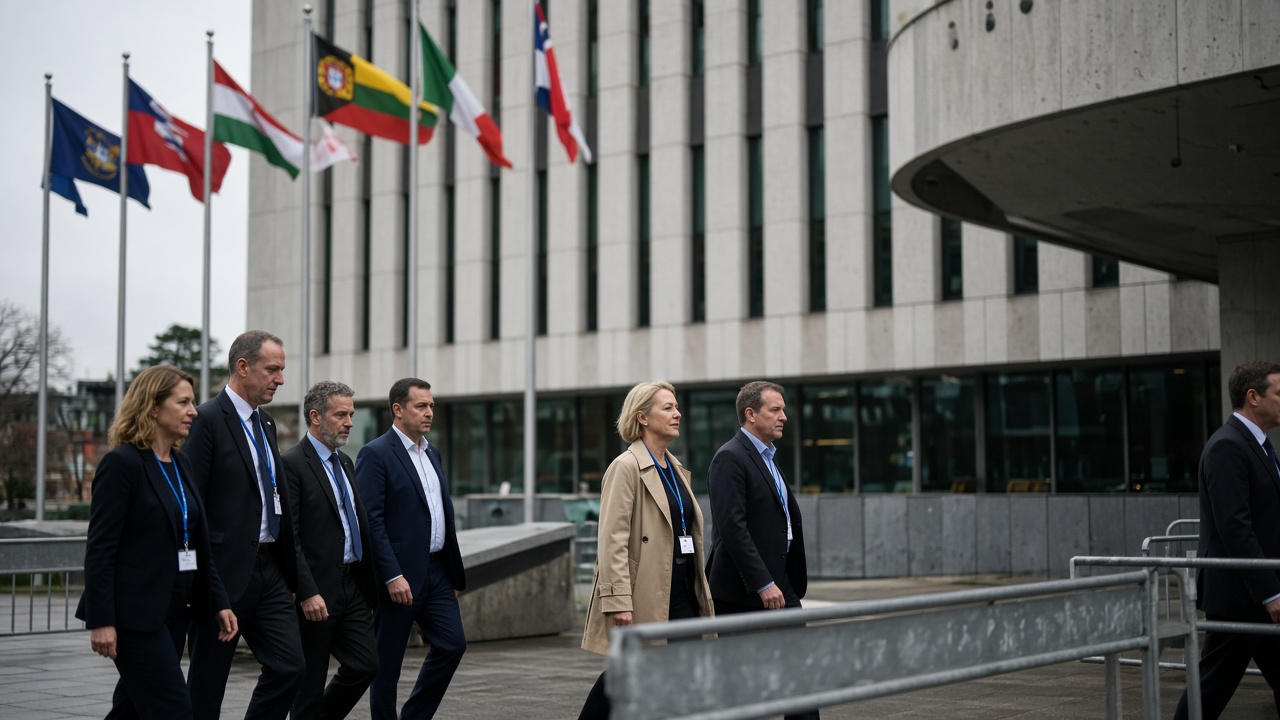
Prime Minister Anthony Albanese said Monday that Australia will bid for a non-permanent seat on the United Nations Security Council for the 2029–30 term, launching a campaign on the sidelines of the UN General Assembly in New York. Albanese told reporters Australia “punches above our weight” and wants greater influence on peacekeeping mandates, climate-security links and emerging technology governance—issues Canberra has elevated in Pacific forums since the AUKUS submarine pact reshaped regional diplomacy.
Which seat and when
Reuters reported from Sydney that Australia is targeting one of two non-permanent seats allocated to its UN regional group for the 2029 cycle. Elections for those seats typically take place years in advance, giving diplomats time to trade support across Africa, Asia-Pacific and Latin American blocs. A successful bid would put Australian ambassadors inside the council chamber during a period when Indo-Pacific maritime disputes, Ukraine-related sanctions debates and Middle East crises routinely share the same monthly agenda.
Albanese said he expected “very strong support” from Pacific island countries and Southeast Asian partners. That claim will be tested against competing candidates from the same group, which often run disciplined vote-counting operations long before leaders make public announcements.
Why Canberra is moving now
Australia last served on the Security Council in 2013–14; another term would signal that middle-power multilateralism remains central to Labor’s foreign policy even as defence spending rises. Officials briefing traveling journalists tied the bid to UN reform talking points—permanent-member veto constraints, better representation for small states, and climate language in peacekeeping renewals—without publishing a formal campaign booklet on Monday.
The announcement also gives Albanese a concrete deliverable during a UN week dominated by great-power rhetoric over Iran, Ukraine and Gaza. A council seat does not replace hard military assets, but it offers agenda-setting power on sanctions committees and mission mandates that affect Australian deployments.
Pacific politics in the head count
Pacific island leaders have pressed Australia and New Zealand to fund climate adaptation and maritime surveillance; backing a Canberra council bid is both a favor and a lever. Albanese’s government has expanded visa pathways and policing support in the Pacific, and a Security Council term would be marketed at home as recognition of those investments.
What is not yet public is which countries will contest the same seats or what side deals—peacekeeping contributions, development pledges, agricultural market access—might enter the horse-trading. Australian diplomats rarely disclose vote whips until late in the campaign.
Limits of a non-permanent chair
Non-permanent members can preside monthly, propose resolutions and negotiate drafts, but they cannot veto permanent-member decisions. For Australian readers, the practical import is procedural: council membership shapes whether climate risk appears in mission renewals for Africa and the Middle East, and whether Indo-Pacific maritime incidents get formal briefings.
Monday’s launch is therefore a calendar marker—2029 feels distant, but UN elections reward early lobbying. Albanese left New York with a headline goal; the work of converting Pacific goodwill into 128 affirmative votes will unfold quietly in missions across Manhattan and Canberra over the coming years.