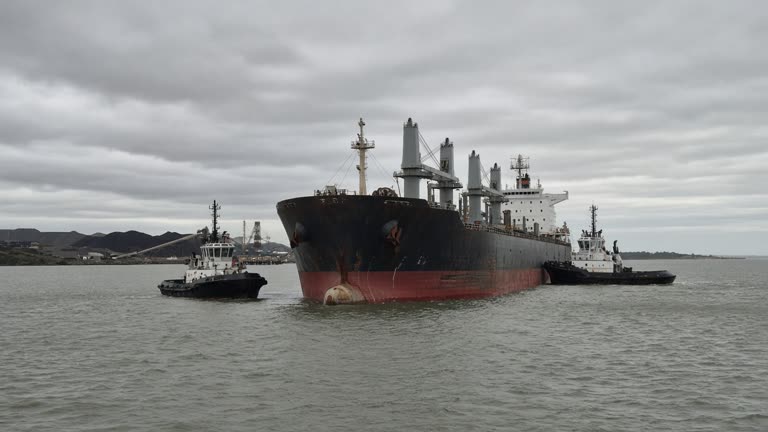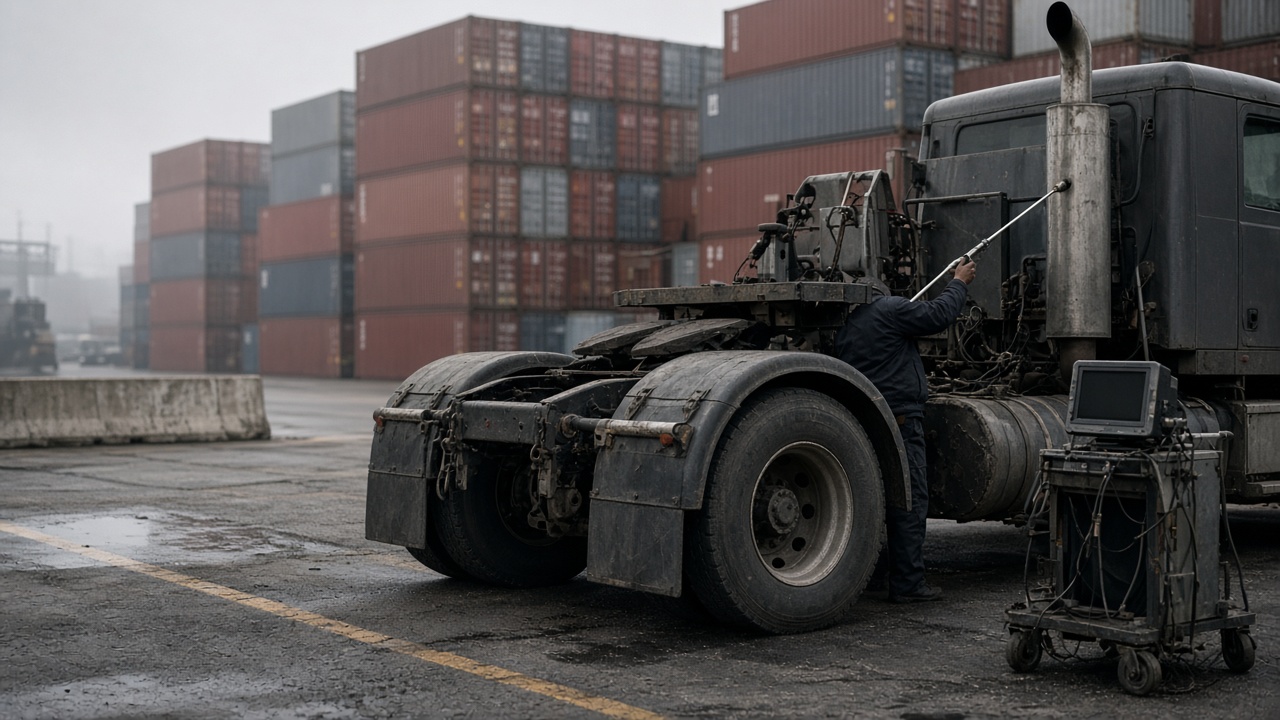
The California Air Resources Board said it will intensify roadside and gate-line inspections for drayage trucks serving the Port of Long Beach after South Coast Air Quality Management District monitors logged multiple September days above the federal eight-hour ozone standard, with harbor-adjacent stations among the worst readings in Los Angeles County. Regulators tied the smog spike to late-summer heat, inbound container surges, and a slice of legacy diesel rigs that remain in service under transitional Advanced Clean Fleets rules.
What exceeded, and where
AQMD preliminary data show downtown Long Beach and Wilmington sites recording eight-hour ozone averages above 70 parts per billion on Sept. 12 and Sept. 18, levels that trigger exceedance reports to the U.S. Environmental Protection Agency. Ozone is not emitted directly from tailpipes; nitrogen oxides and volatile organic compounds cook in sunlight. Port corridors concentrate both from ships, locomotives, and thousands of daily truck trips between terminals and Inland Empire warehouses.
Long Beach Mayor Rex Richardson’s office said the city supports tougher enforcement but asked CARB for advance notice so terminal operators can avoid gridlock. CARB Chair Liane Randolph told reporters Sunday that “surprise” checks will rotate among shifts, targeting trucks registered in the Truck Regulations Upload, Compliance, and Reporting System that have not shown annual port visits required to keep legacy status.
Rules already on the books
CARB’s Advanced Clean Fleets regulation, adopted in 2023, requires drayage trucks entering seaports to be registered in TRUCRS, limits how long legacy diesel trucks can operate, and phases toward zero-emission rigs by 2035. Beginning in 2025, owners of legacy trucks 12 years or older must report odometer and engine data; noncompliant units can be removed from the drayage registry by March 31 each year if they miss visit thresholds or exceed useful-life limits.
Separately, Clean Truck Check mandates annual fees and passing emissions tests for heavy-duty vehicles over 14,000 pounds operating in California, with compliant vehicle identification numbers shared daily to ports. Long Beach and Los Angeles terminals must verify compliance at entry or keep records on trucks turned away. CARB said Sunday’s order adds portable opacity meters and onboard diagnostic scans at two terminal gates through October.
Who pays the delay
Harbor trucking associations estimate 8% to 12% of active drayage tractors still run legacy diesel engines on tight margins, often owned by small fleets serving a single importer. Drivers waiting in inspection queues lose turns; warehouse appointments slip. Environmental justice groups in West Long Beach welcomed the crackdown, citing asthma rates, while importers warned that inspection blitzes during peak import season could ripple to rail yards in City of Industry.
CARB pledged to publish daily counts of trucks cited and to pair penalties with vouchers for rental zero-emission rigs where available. The Port of Long Beach said its existing shore-power and locomotive incentive programs continue, but ozone data made clear tailpipe enforcement remains the lever regulators can pull fastest.
Next month’s test is whether stricter gate checks lower monitor readings—or simply shift truck queues to surface streets where communities already breathe the corridor’s worst air.